

We are a digital agency helping businesses develop immersive, engaging, and user-focused web, app, and software solutions.
2310 Mira Vista Ave
Montrose, CA 91020

2500+ reviews based on client feedback
What's Included?
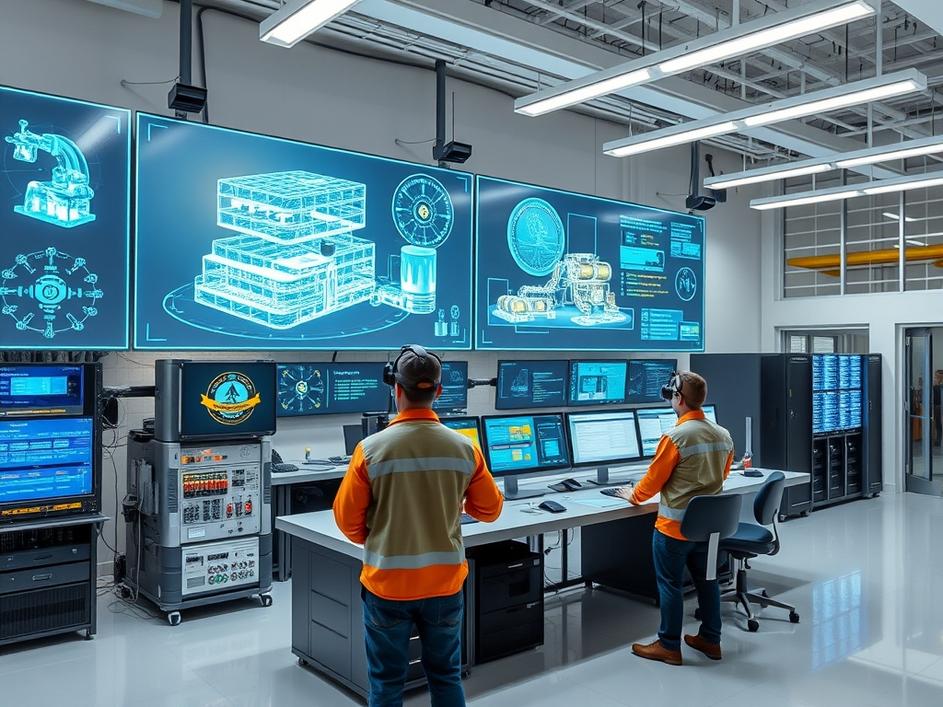
ToggleCES, the Consumer Electronics Show, is always a hotbed for unveiling the latest technological advancements. But CES 2026 is shaping up to be particularly interesting, especially for those keeping an eye on industrial applications. DEEP.FINE, a company specializing in artificial intelligence and extended reality, plans to showcase its new industrial operations platform. Dubbed ‘DSC,’ this platform aims to meld AI and XR to create a more efficient and insightful way to manage complex industrial processes. The core idea? Turning data into actionable, real-time visualizations that workers can use directly on the factory floor.
One of the most compelling features of DSC is its ability to create 3D spatial representations using just mobile devices. Think about the implications: instead of relying on expensive, specialized equipment to map and model industrial environments, workers can use their smartphones or tablets. This accessibility can significantly lower the barrier to entry for companies looking to adopt spatial computing. It also empowers employees to contribute directly to the creation and maintenance of these models. The data captured can then feed into AI algorithms that provide insights and recommendations, optimizing workflows and identifying potential problems before they escalate.
The promise of DSC lies in its ability to translate raw data into a format that’s easily understood and acted upon. Imagine a manufacturing plant where sensors are constantly collecting data on machine performance, environmental conditions, and production output. DSC can take this information and overlay it onto a 3D model of the plant, highlighting areas of concern or potential bottlenecks. This visual representation allows managers and workers to quickly identify issues and make data-driven decisions in real time. XR technology further enhances this process by allowing users to interact with the data in a more intuitive and immersive way.
DEEP.FINE is positioning DSC as more than just a visualization tool; they want it to be a comprehensive platform for enterprise planning and operation. This means integrating it with existing systems, such as enterprise resource planning (ERP) and manufacturing execution systems (MES). By connecting these different data silos, DSC can provide a holistic view of the entire industrial operation, from supply chain management to production scheduling to quality control. The AI component of the platform can then analyze this integrated data to identify opportunities for optimization and improvement across all aspects of the business.
The potential benefits of a platform like DSC are substantial. Increased efficiency, reduced downtime, improved safety, and better decision-making are all within reach. However, there are also challenges to consider. Data security and privacy are paramount, especially when dealing with sensitive industrial information. Integration with existing legacy systems can be complex and costly. And, perhaps most importantly, user adoption is critical. Workers need to be trained and comfortable using the technology for it to be truly effective. DEEP.FINE’s success will depend not only on the technical capabilities of DSC but also on its ability to address these challenges and demonstrate a clear return on investment for its customers.
DEEP.FINE’s planned showcase at CES 2026 marks a significant step forward in the convergence of AI, XR, and industrial operations. While the technology is still relatively nascent, the potential for these technologies to transform industries is undeniable. Companies that can successfully integrate these tools into their workflows will be well-positioned to thrive in an increasingly competitive and data-driven world. The event should provide a good indication of the future of the field. It will be interesting to watch how DEEP.FINE addresses the aforementioned challenges and how other companies react to this advancement in the industrial sector. The industry is constantly evolving, and CES 2026 will give insight into the direction the industry is heading towards.

Comments are closed