

We are a digital agency helping businesses develop immersive, engaging, and user-focused web, app, and software solutions.
2310 Mira Vista Ave
Montrose, CA 91020

2500+ reviews based on client feedback
What's Included?
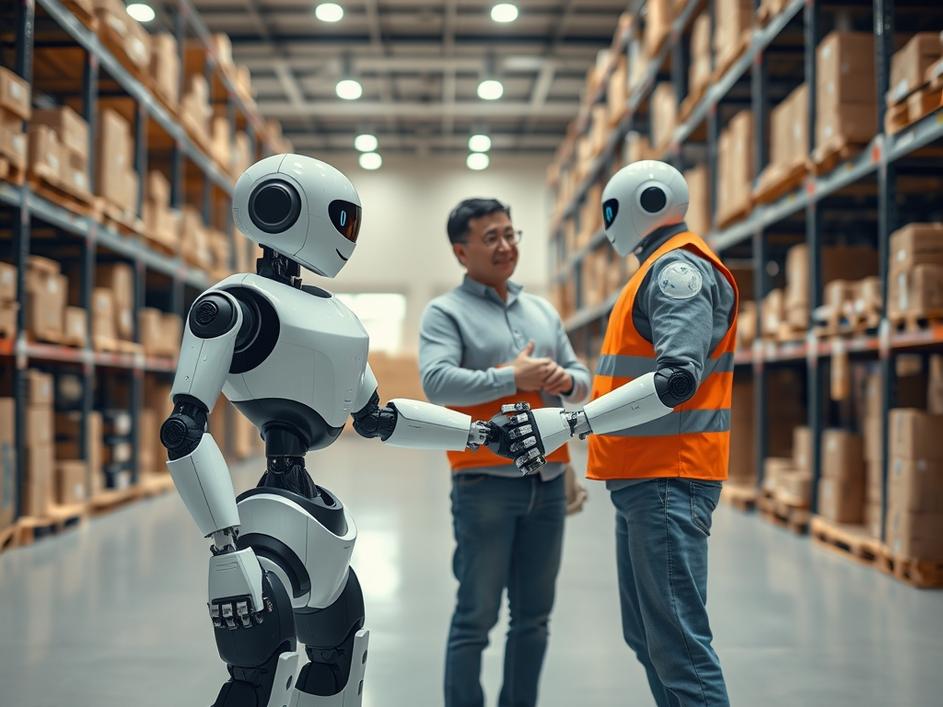
ToggleRobot.com, the San Francisco Bay Area startup best known for tiny delivery bots, is trying something bigger: a humanoid robot meant to work inside busy workplaces. The aim is simple enough. Let the bot take on repetitive chores so people can focus on tasks that need judgment. In warehouses, manufacturing floors, and food-service kitchens, the new machine is meant to move, reach, lift, and fetch in ways a human would–without stepping away for breaks. The company frames this as a natural next act after winning business on campus and at docks. In a tight labor market, a steady helper that can handle dull chores could help teams stay productive. It’s not meant to wipe out workers; it’s meant to take the low-energy work off their plates. Time will tell if the math adds up on real floors.
Several forces push robotics into workplaces. People shortages and high turnover mean teams spend more time training new hires than doing the job. Robots that operate indoors and perform routine tasks can plug the gap. A humanoid that works alongside people can also ease safety concerns when the work is repetitive or physically demanding. Companies want something that can run after hours or start early without overtime costs. They also want to test ideas without big upfront bets. A service model, where the robot is rented and supported by a provider, lowers the barrier to trying automation. The challenge is whether the bot can learn a site’s quirks quickly and stay reliable as conditions change day to day.
The robot is pitched as a helper for repetitive chores that don’t require deep decision making. It could stock shelves, move items between stations, clean up, or perform simple packaging tasks. Designers emphasize a humanoid frame that can work at human height and with safe, grippable hands. Sensors and light AI help it steer through busy floors and avoid people. It won’t be a patch for skilled workers, at least not at first. In practice it would pick up the easy, boring parts and let human staff handle exceptions, quality checks, and the moments that demand judgment.
Industrial plants, food service venues, and logistics hubs top the list for Robot.com. On a factory floor, the bot could fetch tools, shuttle components, or tidy spaces between tasks. In a kitchen or cafe, it might deliver ingredients, haul dishes, or help with cleaning. In a warehouse, it could carry boxes, sort items, or bring inventory to the line. Each setting has rules about hygiene, safety, and floor layout. The robot will need to be easy to train for different sites and able to work reliably in tight, ever-changing environments. Early pilots will test if it can really cut down the time teams spend on routine chores.
Robot.com is likely betting on a service plan that includes maintenance and updates. That location-based support helps with uptime and fixes. Integration with existing systems, such as inventory apps, scheduling tools, and access control, will matter. Data the bot gathers about tasks can help managers spot bottlenecks, but it also invites questions about privacy and how data is used. The hardware must stand up to long shifts and be quick to repair. Competitors push similar ideas, so speed to deploy and the breadth of supported tasks will matter. The big test will come in months, not weeks, when pilots show how much time is saved and how well the robots blend with human teams.
There’s real promise here if robots stay useful and predictable. The safest path is careful pilots that show true gains and smooth, safe collaboration. What matters most is uptime, ease of training, and how well the robot handles surprises. Workers will decide if the robot helps or adds stress. If people view it as a helper, adoption will move forward. If it breaks often or takes tasks workers feel are theirs, resistance will grow. The industry should look for steady improvements in navigation, hand-offs, and maintenance. In the end, workplace humanoids wont replace human judgment soon, but they might change how teams spread the dull work. That shift will depend on practical wins and good partnerships between people, robots, and managers.


Comments are closed