

We are a digital agency helping businesses develop immersive, engaging, and user-focused web, app, and software solutions.
2310 Mira Vista Ave
Montrose, CA 91020

2500+ reviews based on client feedback
What's Included?
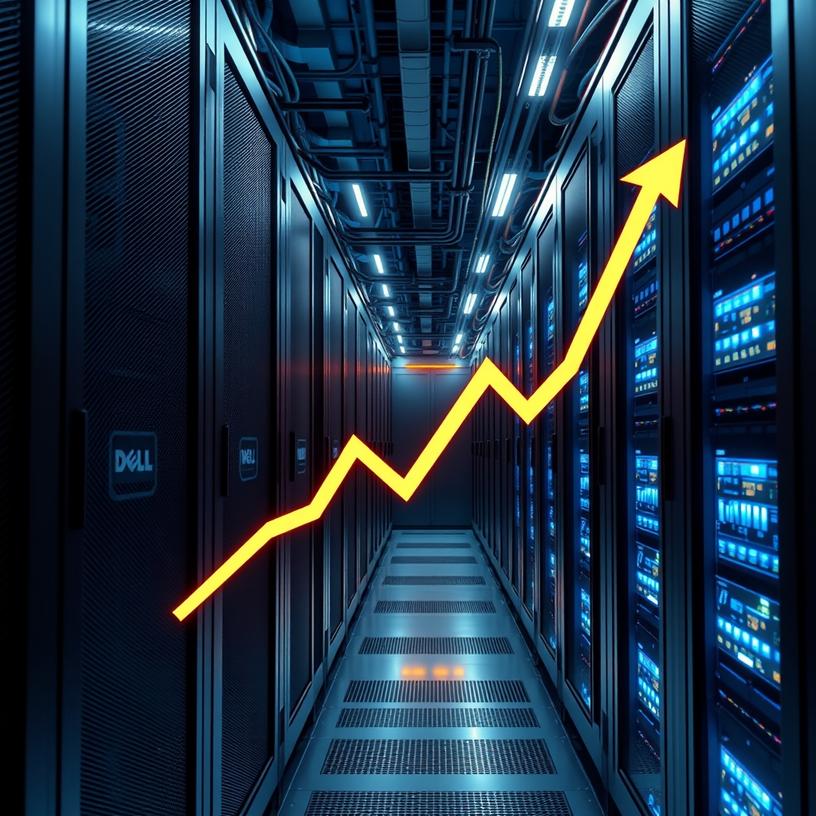
ToggleWhen Jim Cramer puts his name on a stock, the buzz around it grows fast. This week he singled out Dell Technologies, saying the company’s foothold in the artificial‑intelligence world makes it a smarter choice than the usual memory‑chip bets. The market is still hunting for the next big AI catalyst, and investors want hardware names that actually deliver the compute power big models need. Dell, a brand most people think of for laptops and office PCs, has quietly become a core supplier of the massive servers that power AI data centers. Cramer’s shout‑out isn’t just hype; it’s a hint that the market may be overlooking the steady cash Dell can pull from its AI‑focused business. The message is simple: look at the servers that run the models, not just the chips that store the data.
AI workloads need two things: raw processing and fast storage. The processing part is handled by GPUs, CPUs and custom accelerators that live inside servers. Dell builds the chassis, power supplies, networking and cooling that let those chips run at scale. That makes Dell a critical link in the supply chain, because without a reliable server platform the expensive processors can’t be used efficiently. Memory manufacturers, on the other hand, sell a component that can be substituted or sourced from many vendors. When a data center upgrades, it often swaps out whole servers rather than just adding more DRAM. That gives Dell a more durable revenue stream that grows each time a customer expands its AI fleet.
Looking at the numbers, Dell’s balance sheet shows a mix of steady cash flow and room to invest. The company posted year‑over‑year revenue growth driven largely by its infrastructure solutions segment, which includes AI‑ready servers. Margins are modest but improving as the product mix shifts toward higher‑priced, higher‑margin equipment. Cash on hand is enough to fund continued R&D in AI‑optimized designs without needing to raise fresh capital. In contrast, many memory firms rely on volatile commodity pricing and face pressure when supply overshoots demand. Dell’s earnings are less tied to the ups and downs of chip cycles, making its stock a potentially smoother ride for investors looking for exposure to AI growth.
No investment is without downside, and Dell has its share of challenges. Competition from other server builders like Hewlett‑Packard Enterprise and Lenovo means pricing pressure can bite. Also, Dell’s legacy PC business still drags on profitability, and a sudden shift in corporate spending could hurt overall results. Supply‑chain hiccups, such as shortages of key components like power modules or networking chips, could delay server deliveries and hurt momentum. Finally, the AI market itself is still evolving; if a new architecture emerges that favors a different form factor, Dell would need to adapt quickly. Investors should weigh these risks against the upside of being a trusted supplier in a fast‑growing niche.
Many analysts focus on the headline‑grabbing memory numbers, especially when DRAM prices swing wildly. That can create a noisy environment where the real story gets lost. Dell’s role is less flashy but more consistent: every new AI model that a company trains requires fresh server capacity, and Dell is already positioned to deliver it. The company also benefits from long‑term service contracts that lock in recurring revenue. Those contracts often include upgrades, meaning Dell can sell newer, more powerful servers to the same customer over time. This recurring relationship builds a moat that memory makers, who sell one‑off components, simply don’t have.
Jim Cramer’s endorsement puts Dell in the spotlight, but the reasons go deeper than a TV shout‑out. The company sits at a sweet spot where AI demand meets tangible, repeatable hardware sales. Its financial footing is solid, its product line is aligned with the core needs of AI workloads, and its risk profile, while present, feels manageable compared with the volatility of pure‑play memory stocks. For investors who want a piece of the AI boom without riding the roller coaster of chip pricing, Dell offers a compelling blend of growth and stability. As the AI wave continues, the servers that keep the models running may prove to be the real workhorse of the next market rally.
Source: Original Article


Comments are closed