

We are a digital agency helping businesses develop immersive, engaging, and user-focused web, app, and software solutions.
2310 Mira Vista Ave
Montrose, CA 91020

2500+ reviews based on client feedback
What's Included?
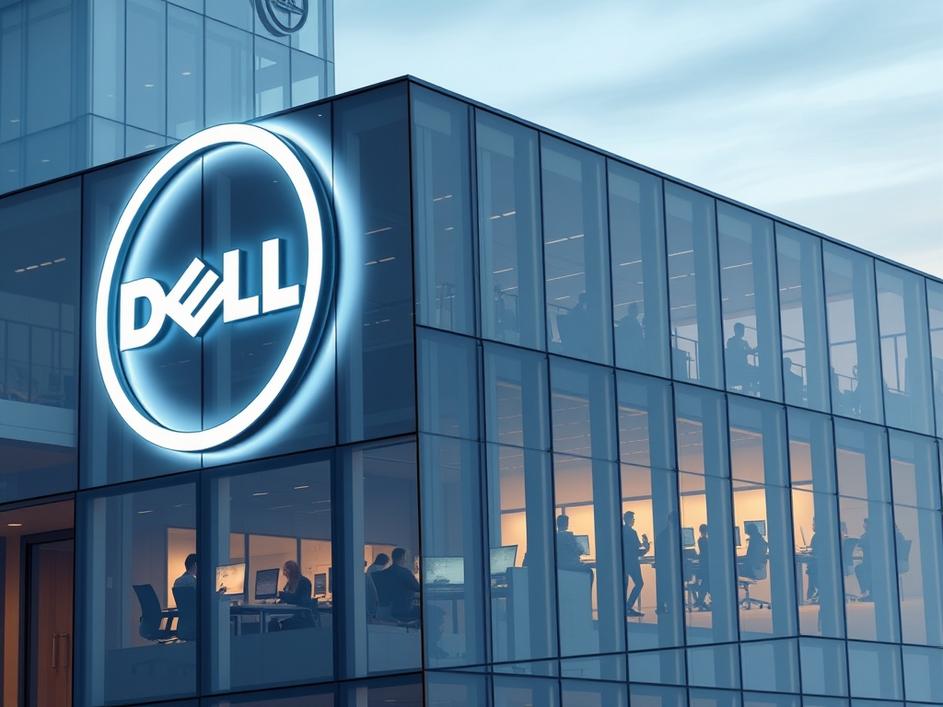
ToggleDell Technologies just got a thumbs-up from Evercore ISI, a well-known investment firm. They’ve increased their price target for Dell’s stock, meaning they think it’s going to be worth more than they previously predicted. This positive outlook comes on the heels of Dell landing a massive $5.8 billion order. That’s a huge deal, and it’s understandably making investors happy. For anyone holding Dell shares, this news is certainly encouraging, suggesting potential gains ahead.
When a firm like Evercore ISI raises its price target, it’s essentially saying, “We’ve looked at the company’s financials, market position, and future prospects, and we believe the stock is undervalued.” It’s a vote of confidence. It doesn’t guarantee the stock will actually reach that target, but it signals that experts see growth potential. This increase often influences other investors to take a closer look, potentially driving up demand for the stock. So, a price target bump is not just numbers; it can really move the market.
Now, let’s talk about that $5.8 billion order. That is not pocket change. Securing an order of this size indicates a few things. First, it shows that Dell has some serious clout and trust with its clients. Someone is willing to spend billions on Dell’s technology, which speaks volumes about the quality and reliability of their products or services. Second, it provides a massive revenue boost. This kind of influx of cash can fuel further investments in research and development, acquisitions, or even shareholder returns. It’s a powerful catalyst for growth.
This news isn’t just about a single order or a price target. It’s also about Dell’s overall strategic positioning in the tech landscape. Dell has been working hard to adapt to a changing market, focusing on areas like cloud computing, hybrid work solutions, and artificial intelligence. The $5.8 billion order likely reflects Dell’s success in these areas, showcasing its ability to meet the evolving needs of its customers. And with companies spending more and more on digital transformation, Dell is well-positioned to capture a significant share of that market.
Of course, no company is without its challenges. The tech industry is fiercely competitive, and Dell faces rivals on all fronts. Supply chain disruptions, which have plagued the industry for the last several years, could also impact Dell’s ability to fulfill orders and maintain profitability. The economy has been unpredictable and it is reasonable to expect that unpredictability to continue. It is important to remember that all investments have risk. However, with this significant order and positive analyst sentiment, Dell seems to be navigating these challenges effectively and capitalizing on opportunities for growth. The company’s focus on innovation and customer satisfaction appears to be paying dividends.
So, what does this mean for the future of Dell? The combination of a massive order and a vote of confidence from Wall Street suggests a bright outlook. Dell is not just a legacy PC maker; it’s evolving into a comprehensive technology solutions provider. The company’s investments in new technologies and its ability to secure large contracts position it for continued success in the years to come. It’s a company to watch, especially if you’re interested in the intersection of hardware, software, and services in the modern enterprise.
In conclusion, the news surrounding Dell Technologies is overwhelmingly positive. The $5.8 billion order is a testament to the company’s strength and relevance in the market, and Evercore ISI’s price target increase further validates Dell’s growth potential. While challenges remain, Dell appears well-equipped to navigate them and capitalize on the opportunities ahead. For investors, this is a promising sign, suggesting that Dell’s stock could be a worthwhile addition to their portfolios.



Comments are closed