

We are a digital agency helping businesses develop immersive, engaging, and user-focused web, app, and software solutions.
2310 Mira Vista Ave
Montrose, CA 91020

2500+ reviews based on client feedback
What's Included?
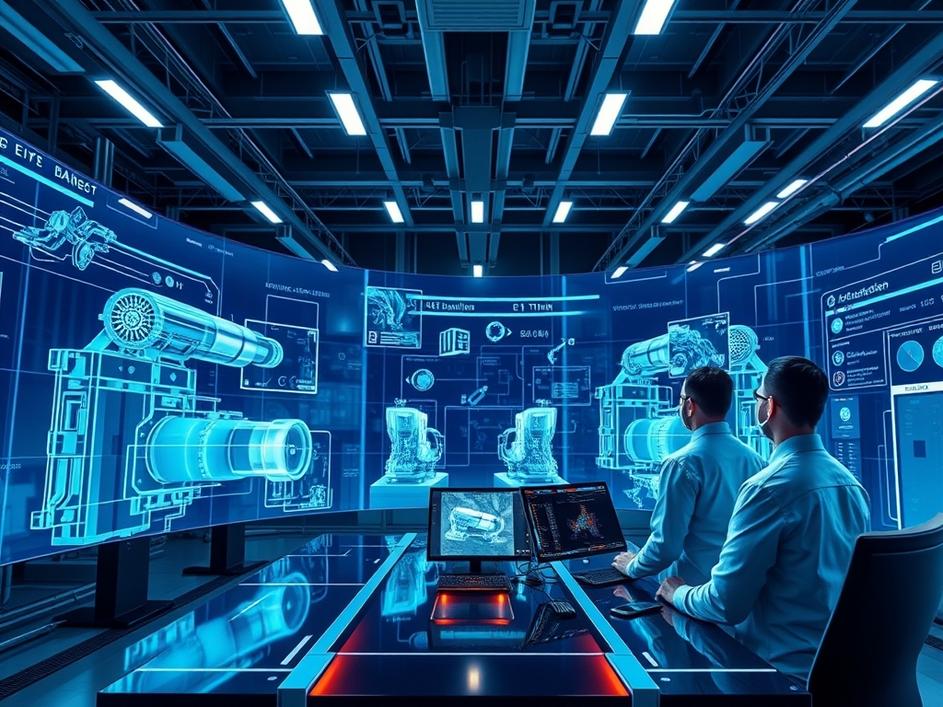
ToggleDelta Electronics is making some serious moves in the world of building automation and smart manufacturing. At NVIDIA GTC, they showcased how they’re using AI digital twins, built on NVIDIA’s Omniverse platform, to change how things are done. It’s not just about fancy tech; it’s about real applications that could make a big difference for businesses.
Think of a digital twin as a virtual copy of a real-world object or system. Now, add AI to the mix, and you’ve got a digital twin that can learn, adapt, and even predict future behavior. This is precisely what Delta is doing. By creating these AI-powered digital replicas, companies can simulate different scenarios, test changes, and optimize performance without ever touching the physical world. It saves time, money, and a whole lot of potential headaches. And NVIDIA’s Omniverse platform provides a solid foundation for creating and managing these complex digital environments.
One of the key areas where Delta is applying this technology is building automation. Imagine a building that constantly monitors its energy usage, adjusts lighting and temperature based on occupancy, and predicts potential maintenance issues before they even happen. That’s the power of AI digital twins in building automation. Delta is using these virtual models to optimize building operations, reduce energy consumption, and improve overall efficiency. This isn’t just good for the environment; it also translates to significant cost savings for building owners. It will be exciting to see how fast this technology is adopted.
Smart manufacturing is another area where AI digital twins are making waves. Delta is creating virtual factories that mirror their real-world counterparts. This allows them to simulate different production scenarios, optimize workflows, and identify potential bottlenecks before they impact the actual manufacturing process. By testing changes in the digital world, Delta can minimize downtime, improve product quality, and increase overall productivity. The potential benefits are huge, and it’s clear that smart manufacturing is the future of the industry. It’s interesting to think how we will be working in those AI powered factories.
What’s impressive about Delta’s approach is that it’s not just theoretical. They’re already implementing these solutions in real-world scenarios. They showcased specific examples of how their AI digital twins are being used to improve building automation and smart manufacturing processes. This focus on practical applications sets them apart from many other companies that are still just exploring the potential of this technology. They are taking a lead in this new field, and could have an advantage over the competitors. The use of these new technologies requires also a workforce that is trained in the new AI-related skills.
NVIDIA’s Omniverse platform is the backbone of Delta’s AI digital twin strategy. Omniverse provides a collaborative environment where designers, engineers, and other stakeholders can work together on virtual models in real-time. It also offers powerful tools for simulating physics, rendering realistic visuals, and integrating AI algorithms. By leveraging Omniverse, Delta can create highly accurate and detailed digital twins that provide valuable insights into the performance of their buildings and manufacturing processes. NVIDIA has done a great job building a platform that allows companies to create complex digital twins.
Delta’s embrace of AI digital twins is a sign of things to come. As the technology matures and becomes more accessible, we can expect to see even more companies adopting this approach. The potential applications are virtually limitless, ranging from healthcare to transportation to energy. AI digital twins have the power to transform industries and improve our lives in countless ways. As the technology advances, we’ll likely see even more sophisticated simulations and AI algorithms being integrated into these virtual models. This will allow companies to gain even deeper insights into their operations and make even more informed decisions. The possibilities are truly exciting.
Companies that adopt AI digital twins early on will likely gain a significant competitive advantage. By optimizing their operations, reducing costs, and improving product quality, they can position themselves for long-term success. Delta’s investment in this technology is a clear indication that they understand the potential benefits and are committed to being a leader in the field. With an effective use of data, companies can stay ahead of the competition.
Of course, there are also challenges and considerations to keep in mind. Creating and maintaining AI digital twins requires significant expertise and resources. Companies need to invest in the right talent, infrastructure, and software. They also need to address data security and privacy concerns. However, the potential rewards far outweigh the risks, and it’s clear that AI digital twins are here to stay. Addressing security concerns is of utter importance to keep data safe and follow privacy regulations.
Delta’s move to embrace AI digital twins is a smart one. By leveraging NVIDIA’s Omniverse platform, they’re positioning themselves at the forefront of building automation and smart manufacturing. This technology has the potential to revolutionize industries and improve our lives, and it’s exciting to see companies like Delta leading the charge. It will be interesting to watch how they continue to innovate and apply this technology in the years to come.



Comments are closed