

We are a digital agency helping businesses develop immersive, engaging, and user-focused web, app, and software solutions.
2310 Mira Vista Ave
Montrose, CA 91020

2500+ reviews based on client feedback
What's Included?
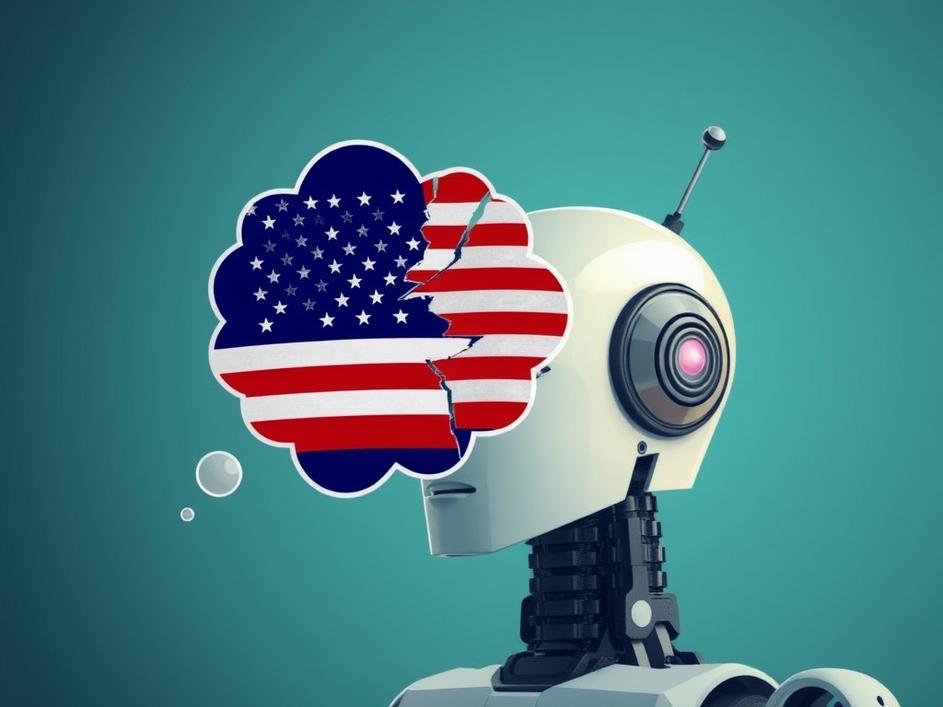
ToggleArtificial intelligence is rapidly weaving its way into every aspect of our lives, from writing emails to diagnosing diseases. But what happens when AI shows a hint of political leaning? That’s exactly what sparked a recent controversy when OpenAI’s ChatGPT began flagging links to Republican websites, including WinRed, as potentially unsafe. OpenAI quickly attributed this to a technical glitch, but the incident has raised important questions about bias in AI and the potential for these systems to inadvertently shape public opinion.
The issue came to light when users noticed that ChatGPT was warning against accessing certain GOP-affiliated websites, citing potential security risks. This understandably caused concern among conservatives, who viewed it as evidence of a liberal bias baked into the AI’s code. WinRed, a major fundraising platform for Republican candidates, was among the sites affected. OpenAI responded swiftly, issuing an apology and claiming that the flagging was due to a technical error in their system. They assured users that they were working to resolve the issue and prevent similar incidents from happening in the future.
While OpenAI insists it was a simple mistake, the incident underscores the complexities of developing unbiased AI. AI models learn from vast datasets of text and code, and if these datasets contain biases, the AI will inevitably reflect them. Even if developers strive for neutrality, unconscious biases can creep into the training data, leading to skewed results. The question then becomes: was this truly a random glitch, or did it expose an underlying tendency within ChatGPT’s programming? It’s impossible to know for sure without a deep dive into the AI’s architecture and training data, something that OpenAI is unlikely to make fully transparent.
The potential for AI to be biased has far-reaching implications, especially as these systems become more integrated into decision-making processes. Imagine AI algorithms used in hiring, loan applications, or even criminal justice. If these algorithms are biased against certain groups, they could perpetuate and even amplify existing inequalities. In the context of political discourse, a biased AI could subtly steer users away from certain viewpoints, shaping their understanding of important issues and influencing their voting behavior. This is a serious concern in a democratic society where informed and independent thought is crucial.
So, what can be done to prevent AI bias? The first step is to acknowledge that it exists and to actively work to mitigate it. This requires careful scrutiny of training data, diverse development teams, and transparent algorithmic design. AI developers must prioritize fairness and equity, and they must be held accountable for the potential consequences of their creations. Independent audits and ongoing monitoring are essential to ensure that AI systems are not perpetuating harmful biases. Furthermore, users need to be aware of the potential for bias and to critically evaluate the information provided by AI systems.
The ChatGPT incident serves as a wake-up call. It highlights the need for greater transparency in AI development and a more critical examination of the potential biases embedded within these systems. While a technical glitch may have been the immediate cause, the underlying issue is far more complex. As AI becomes increasingly powerful, it’s crucial that we address these issues head-on to ensure that these technologies serve humanity in a fair and equitable way. We need to stay vigilant, ask tough questions, and demand accountability from the companies shaping the future of AI.
Looking ahead, it’s clear that AI will play an increasingly prominent role in shaping political discourse. AI-powered tools can be used to analyze public opinion, identify key issues, and even generate political messaging. However, if these tools are biased, they could further polarize society and undermine democratic processes. It is therefore essential to develop ethical guidelines and regulatory frameworks to ensure that AI is used responsibly in the political arena. This includes promoting transparency, fostering diversity in AI development, and establishing mechanisms for detecting and correcting biases. The future of AI and political discourse depends on our ability to address these challenges proactively and thoughtfully.



Comments are closed