

We are a digital agency helping businesses develop immersive, engaging, and user-focused web, app, and software solutions.
2310 Mira Vista Ave
Montrose, CA 91020

2500+ reviews based on client feedback
What's Included?
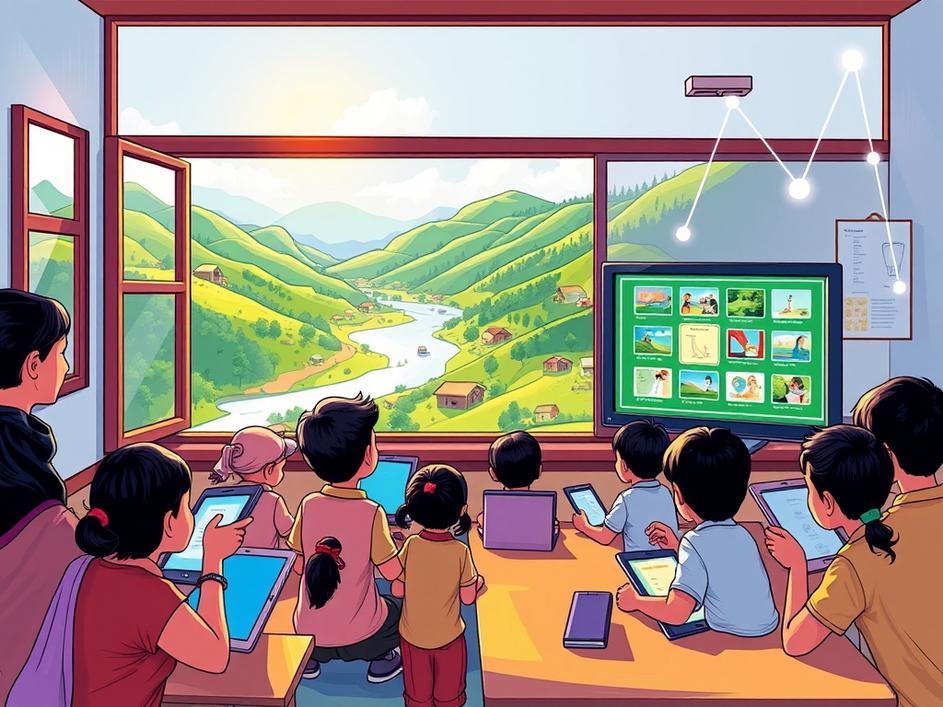
ToggleThe Chittagong Hill Tracts, or CHT, is a place of breathtaking beauty. Rolling hills, dense forests, and vibrant cultures define this unique part of Bangladesh. But for all its natural charm, the CHT has also faced its share of challenges. Distance and rugged terrain often mean that modern services, especially in education, struggle to reach every corner. Imagine classrooms tucked away in remote villages, where the nearest library might be hours away, and internet access is more of a dream than a reality. For many years, students and teachers in these areas have made do with limited resources, showing incredible resilience. So, when news breaks that 100 educational institutions across the CHT are set to go digital by November, it’s not just an announcement; it’s a beacon of hope. This isn’t just about installing computers; it’s about connecting communities, sparking curiosity, and opening up a whole new world for young minds that have long been on the sidelines of the digital age. It’s a promise of a future where geographical barriers no longer dictate a child’s access to knowledge and opportunity, creating pathways to learning that transcend the physical classroom walls. The impact of such a move could genuinely transform lives, giving children in the hills the same chances as those in the cities.
When we talk about ‘digitalizing’ a school, it’s easy to picture a room full of new computers. But the real magic goes much deeper than just hardware. Digitalization means connecting these schools to the internet, giving students and teachers a direct link to a global library of information. It means introducing digital content – interactive lessons, educational videos, online textbooks – that can make learning more engaging and accessible. Think about a science class where students can watch a virtual experiment instead of just reading about it, or a history lesson that comes alive with documentaries and digital archives. It also means empowering teachers with new tools and training, helping them move from traditional chalkboards to interactive smartboards and online teaching platforms. This shift isn’t just about making things ‘modern’; it’s about making learning more effective, more dynamic, and more tailored to individual needs. For a region like the CHT, where educational resources can be scarce, this access to rich digital materials can bridge huge gaps. It means a small village school can offer the same quality of learning as one in a major city, simply by connecting to the right resources online. The potential for expanding curriculum, offering specialized subjects, and fostering a love for learning is immense.
The CHT is a diverse region, home to many indigenous groups, each with their own language and culture. This diversity, while beautiful, presents unique challenges for education. Standardized teaching materials often don’t account for local languages or cultural contexts. Digitalization offers a way to tackle these issues head-on. Imagine creating digital content that can be translated into multiple local languages, or lessons that incorporate specific CHT history and traditions. This approach not only makes learning more relevant but also helps preserve the rich cultural heritage of the region. Furthermore, the sheer isolation of many CHT villages means that specialized teachers or advanced training might be hard to come by. Digital platforms can enable virtual classrooms, connecting students with expert educators from anywhere in the world, or allowing teachers to access professional development courses online. It also means that schools can share resources more easily, fostering a sense of community and collaboration among educational institutions that might otherwise feel disconnected. The internet can become a hub where teachers exchange ideas, share best practices, and support each other, creating a stronger educational network across the entire region. This connectivity is crucial for a region where physical travel can be difficult and time-consuming, making continuous learning a more realistic goal.
For the students in the CHT, this digitalization initiative represents more than just better grades; it’s a gateway to a world of opportunity. Access to digital skills – learning to use computers, navigate the internet, and understand software – is no longer a luxury but a necessity in today’s world. These skills are vital for future employment, whether in local industries or in the broader national and global economy. It means students from remote villages can compete on a more level playing field with their urban counterparts. Beyond skills, it fosters a sense of empowerment. When children realize they can access any information, connect with anyone, and learn anything online, it changes their perspective on what’s possible for their lives. This ripple effect extends to families and communities. Educated children often bring new ideas and information back home, benefiting everyone. It can lead to better health awareness, improved agricultural practices through access to online resources, and even stimulate local entrepreneurship. Families will see their children equipped for a brighter future, reducing the pressure to migrate to cities for better prospects. The digital tools can also support adult literacy programs or vocational training, further empowering the entire community and boosting local economies. It’s about building a foundation for sustainable development, driven by an informed and capable populace.
The announcement of 100 digitalized institutions by November is a fantastic first step, a clear sign of progress and commitment. But the real challenge, and the true measure of success, will lie in what happens after the initial launch. Digital infrastructure needs constant care. This means ensuring reliable electricity in areas where power supply can be inconsistent, setting up robust internet connections that can handle regular use, and having a plan for ongoing maintenance and technical support for all the new equipment. What happens when a computer breaks down, or the internet goes out? There needs to be a system in place to fix these issues quickly. Crucially, investing in continuous training for teachers is paramount. Technology evolves fast, and educators need to stay updated to use these tools effectively in the classroom. They need support, not just at the beginning, but year after year, to integrate digital learning seamlessly into their lessons. And perhaps most important is the content itself. The internet is vast, but curated, culturally relevant, and engaging educational material needs to be developed or adapted specifically for CHT students. Without quality content and sustained support, even the most advanced technology risks becoming underutilized. It’s about building a sustainable ecosystem, not just installing hardware, to ensure this initiative truly brings about lasting, positive change for generations to come. The goal is to make sure these digital bridges lead somewhere meaningful, not just stand as symbols of good intentions.
The digitalization of educational institutions in the Chittagong Hill Tracts is more than just a project; it’s a profound statement about the future. It’s a commitment to ensuring that every child, regardless of where they live, has the opportunity to thrive in an increasingly connected world. By bringing modern technology into classrooms in these remote areas, the government is not just improving access to education; it’s investing in the potential of an entire region. It’s about empowering young minds, preserving unique cultures through relevant digital content, and building stronger, more resilient communities. The journey ahead will undoubtedly have its own hurdles, from maintaining equipment to keeping teacher training up-to-date. But with clear vision, continuous effort, and a focus on long-term sustainability, this initiative has the power to light up the hills with knowledge and unlock a future brimming with possibilities for generations of CHT students. This is a story of connection, empowerment, and the unwavering belief that education is the greatest tool for change. The CHT is not just getting classrooms; it’s gaining windows to the world.



Comments are closed