

We are a digital agency helping businesses develop immersive, engaging, and user-focused web, app, and software solutions.
2310 Mira Vista Ave
Montrose, CA 91020

2500+ reviews based on client feedback
What's Included?
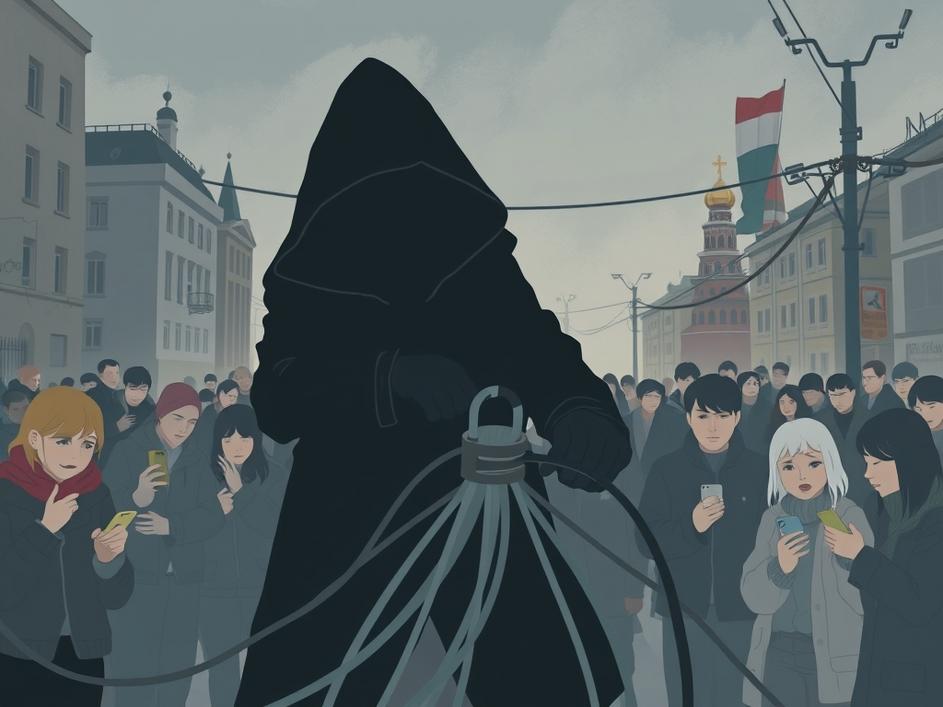
ToggleIn recent months, a troubling pattern has emerged across Russia: increasingly frequent and widespread mobile internet outages. These disruptions, initially dismissed as localized incidents, are now a common occurrence in various regions, raising serious questions about their true purpose. The official explanation, parroted by authorities, is that these shutdowns are necessary to thwart Ukrainian drone attacks. The logic, seemingly, is that by cutting off mobile internet access, drones will be unable to navigate or be controlled effectively. But is this the whole story?
The claim that internet shutdowns are solely a defensive measure against drone strikes is facing growing skepticism, and for good reason. The outages are not limited to regions bordering Ukraine or areas considered strategically vulnerable. Reports indicate that even regions far removed from the conflict zone are experiencing these disruptions. This geographical inconsistency casts doubt on the official narrative and suggests that there might be other, less publicly stated, motivations behind these actions. It’s hard to believe that a drone attack is imminent in every corner of such a vast country, simultaneously.
One plausible, and perhaps more worrying, explanation is that these internet shutdowns are a tool for censorship and control. In an increasingly authoritarian state, controlling the flow of information is paramount. By disrupting mobile internet access, the government can significantly limit the ability of citizens to communicate, organize, and access independent news sources. This creates an environment where the state-controlled media dominates the narrative and dissenting voices are effectively silenced. Think about it: if you can’t easily share information or verify news, you’re more likely to accept what the government tells you.
The impact of these internet outages extends far beyond political discourse. In the modern world, mobile internet access is essential for daily life. People rely on it for everything from banking and shopping to accessing public services and staying connected with loved ones. Disruptions to this essential service can have serious consequences for individuals, businesses, and the economy as a whole. Imagine not being able to pay your bills, order groceries, or even call for help in an emergency. The inconvenience and potential harm caused by these outages are significant.
Beyond the immediate inconvenience, the frequent internet shutdowns are also taking a toll on the Russian economy. Businesses, particularly those reliant on online transactions, are suffering losses due to the disruptions. Furthermore, the lack of reliable internet access discourages investment and innovation, hindering long-term economic growth. The public frustration is palpable. While some may initially accept the official explanation, the constant disruptions are eroding trust in the government and fueling resentment. People are starting to question whether the purported benefits of these shutdowns outweigh the very real costs.
The Kremlin likely views these internet controls as a display of strength, solidifying their grip on power. However, they might be miscalculating. Suppressing the free flow of information, stifling dissent, and disrupting daily life can breed resentment and ultimately undermine stability. A truly strong government doesn’t need to resort to such tactics. A government confident in its policies and its people allows for open dialogue and doesn’t fear scrutiny. By resorting to internet shutdowns, the Russian government is, in effect, admitting its own vulnerability. It suggests a fear of the truth and an inability to win the hearts and minds of its citizens through legitimate means.
The future of internet freedom in Russia looks bleak. With each passing outage, the government is tightening its control over the digital sphere. The trend suggests a deliberate strategy to create a more isolated and controlled information environment. This has serious implications for the country’s political and economic development, as well as for the basic rights and freedoms of its citizens. The world watches with concern as Russia continues down this path, hoping that the desire for freedom and open communication will eventually prevail.
The mobile internet outages in Russia are more than just a temporary inconvenience or a simple security measure. They represent a dangerous trend towards greater censorship, control, and isolation. While the official explanation of preventing drone attacks may hold some weight, the broader implications are far more troubling. As Russia continues down this path, it risks alienating its own citizens, stifling innovation, and undermining its long-term stability. The world must pay attention and hold Russia accountable for its actions, lest this become a blueprint for other authoritarian regimes seeking to control the flow of information.



Comments are closed