

We are a digital agency helping businesses develop immersive, engaging, and user-focused web, app, and software solutions.
2310 Mira Vista Ave
Montrose, CA 91020

2500+ reviews based on client feedback

What's Included?
ToggleIn a world increasingly reliant on digital infrastructure, the idea of a sudden collapse—be it economic, societal, or environmental—looms large in the minds of many. This has fueled the rise of the “prepper” community, individuals dedicated to preparing for worst-case scenarios. But what happens when the very systems we depend on vanish? The solution, according to some, is to stockpile knowledge: to create a digital library of essential information that can be accessed even when the internet goes dark. The question is: can we really prepare for the unknown, and how much information is truly useful?
The proposition of downloading 2,000 survival-related digital files raises some immediate questions. What kind of files are we talking about? Are they manuals on wilderness survival, guides to off-grid living, medical handbooks, or blueprints for sustainable technologies? The value of such a collection hinges entirely on its content and its accessibility. Imagine hoarding gigabytes of data only to find that you lack the means to access it when the power grid fails. Or worse, the information is so disorganized that you can’t find what you need in a critical situation. A curated, well-organized collection is worth far more than a massive, unwieldy archive.
Information, in and of itself, is not power. Power comes from the ability to apply that information effectively. Downloading a vast collection of survival guides is only the first step. The real challenge lies in understanding and internalizing that knowledge. It’s the difference between reading about how to start a fire and actually being able to do it with limited resources in a stressful situation. Hands-on experience, practice, and the development of practical skills are crucial complements to any digital library. It’s also important to be able to teach these skills to others.
Digital files are inherently vulnerable. Hard drives can fail, USB drives can be lost or damaged, and even solid-state drives have a limited lifespan. The long-term preservation of digital data requires careful planning and redundancy. Multiple backups stored in different locations are essential. Consider using durable storage media like M-DISC DVDs, which are designed to last for centuries. And don’t forget the importance of metadata. Clear, concise descriptions of each file will make it easier to find what you need, even years down the road. Printed copies of essential documents, like medical guides or equipment manuals, should also be considered for a truly resilient system.
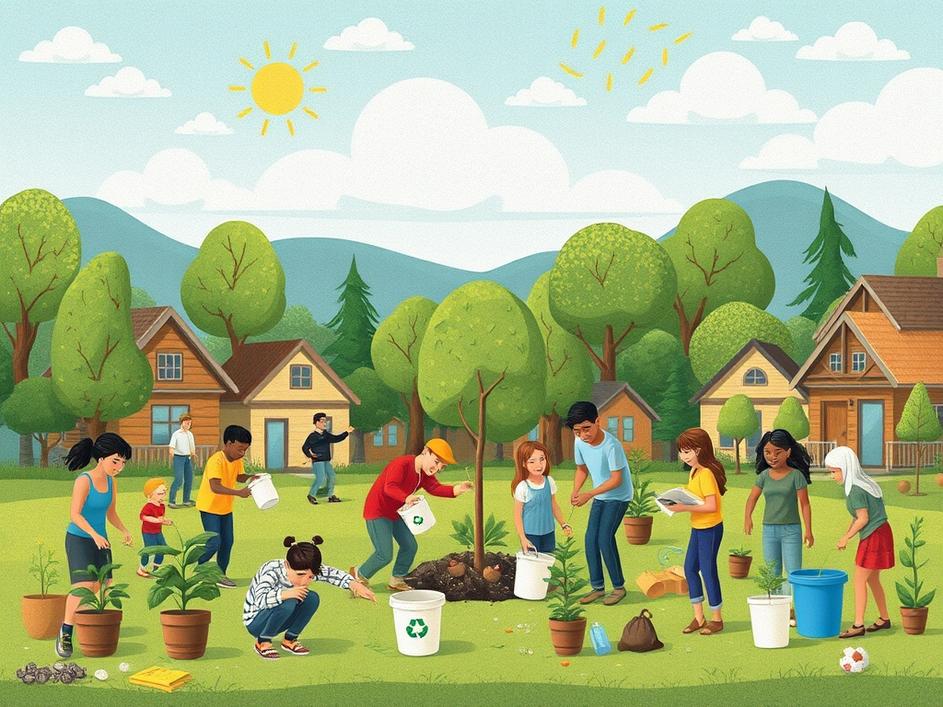
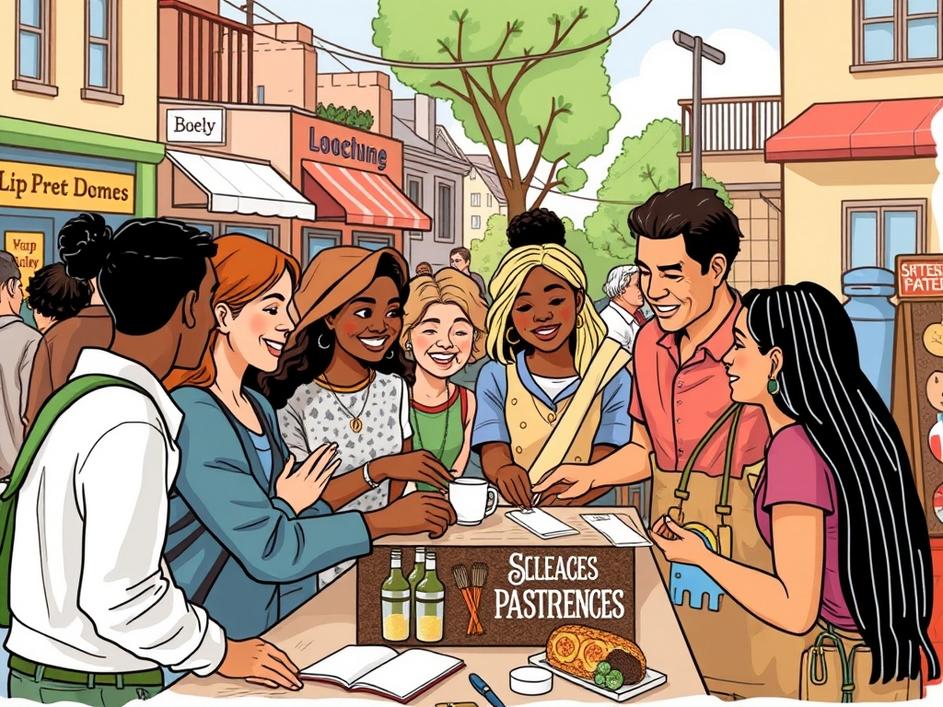
While individual preparedness is important, it’s also crucial to consider the power of community. A group of people working together, each with their own skills and knowledge, is far more resilient than any individual acting alone. Sharing your digital library with trusted friends and neighbors can create a network of shared resources and expertise. Furthermore, collaboration can foster innovation and problem-solving in a crisis. Prepping shouldn’t be a solitary pursuit; it should be a collective effort to build a more resilient society. The strength of a community is its ability to help one another and pool resources.
In a post-collapse scenario, access to information could be a matter of life and death. It’s important to consider the ethical implications of hoarding knowledge. Should access to this information be restricted to those who have the means to acquire it? Or should it be shared freely with anyone who needs it? The principles of open-source sharing and collaborative knowledge creation could play a vital role in building a more equitable and resilient society. Sharing knowledge empowers others and promotes collective survival.
Prepping is not just about surviving a crisis; it’s about rebuilding and thriving in its aftermath. The knowledge we preserve should encompass not only survival skills but also the knowledge needed to create a sustainable and just society. This includes skills in agriculture, renewable energy, community building, and conflict resolution. A truly comprehensive digital library should empower individuals to not only survive but also to create a better future.
In the rush to digitize everything, it’s easy to overlook the enduring value of analog skills. The ability to read a map, navigate by the stars, or repair a broken tool without relying on technology can be invaluable in a crisis. These skills are not only practical but also empowering. They foster a sense of self-reliance and resilience that cannot be replicated by any digital device. Ultimately, the best preparation is a combination of digital resources and analog skills.
Stockpiling digital information can be a valuable component of a comprehensive preparedness strategy. However, it’s essential to approach it with a critical and balanced mindset. Focus on curating a relevant, accessible, and well-organized collection. Combine digital resources with practical skills, hands-on experience, and community collaboration. And remember that the ultimate goal is not just to survive but to thrive and create a more resilient and equitable future. In the end, the most valuable resource is not a collection of digital files, but the knowledge, skills, and relationships that allow us to adapt and overcome any challenge.

Comments are closed