

We are a digital agency helping businesses develop immersive, engaging, and user-focused web, app, and software solutions.
2310 Mira Vista Ave
Montrose, CA 91020

2500+ reviews based on client feedback
What's Included?
ToggleDolby, a name synonymous with high-quality audio and visual experiences, isn’t just sitting still. The company is actively broadening its horizons, pushing its Atmos and Vision technologies into new areas like automotive and expanding its presence in the television market. This isn’t just about more gadgets having the Dolby name; it’s about changing how we experience entertainment and information, wherever we are.
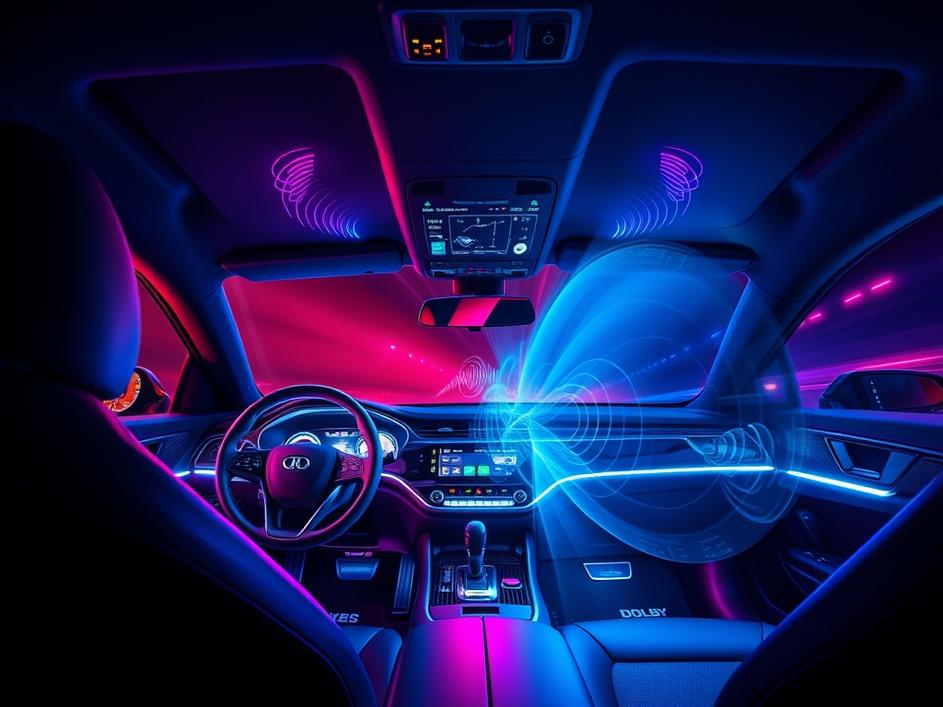
Imagine sitting in your car, not just hearing music, but being completely enveloped by it. That’s the promise of Dolby Atmos in automobiles. It’s more than just having good speakers; it’s about creating a three-dimensional soundscape within the vehicle. Think of sound swirling around you, instruments coming from specific points, and a sense of spaciousness that you wouldn’t expect in a car. This technology could also enhance navigation systems, providing clearer and more intuitive audio cues. And, of course, it opens up new possibilities for in-car entertainment, making those long commutes a little more bearable. But it’s not just about entertainment; it could improve safety by making warnings and alerts more noticeable and directional.
Dolby Vision aims to elevate the visual experience. It’s not just about making the picture brighter or more colorful; it’s about bringing greater dynamic range and detail to your screen. This means deeper blacks, brighter highlights, and a wider range of colors, resulting in a more realistic and immersive picture. As TVs continue to evolve, Dolby Vision ensures that content creators’ artistic vision is accurately displayed, allowing viewers to see exactly what was intended. The ongoing advancements in television technology provide a fertile ground for Dolby Vision to shine, solidifying its position as a leading HDR format.
While Dolby is a major player, they’re not the only ones in the game. Other companies are developing competing technologies for both audio and visual enhancement. The battle for dominance in the home entertainment and automotive spaces is fierce, with various HDR formats vying for consumer attention. Dolby’s success hinges on its ability to innovate, partner with key manufacturers, and demonstrate the clear benefits of its technologies to consumers. Adoption by streaming services and content creators is also crucial. If major streaming platforms embrace Dolby Atmos and Vision, it will become increasingly important for consumers to have devices that support these formats.
Dolby’s expansion into the automotive sector and continued advancements in television technology signal a strategic move to diversify its revenue streams and maintain its position as a leader in audio and visual innovation. The company’s ability to adapt to changing consumer preferences and technological advancements will be critical to its long-term success. As cars become more connected and entertainment-focused, and as televisions continue to push the boundaries of picture quality, Dolby’s technologies are poised to play an increasingly important role in shaping our sensory experiences. The key will be demonstrating the tangible benefits of Atmos and Vision to both consumers and manufacturers, ensuring widespread adoption and continued growth.
One of the biggest challenges for Dolby is how to effectively monetize these innovations. While licensing fees from manufacturers are a significant source of revenue, the company also needs to ensure that content is readily available in Dolby Atmos and Vision formats. This requires working closely with streaming services, studios, and other content creators. Another aspect is consumer awareness. Many people may not fully understand the benefits of these technologies, so Dolby needs to invest in marketing and education to highlight the advantages of a truly immersive audio and visual experience. If consumers demand Dolby Atmos and Vision, manufacturers will be more likely to include them in their products, creating a virtuous cycle of adoption and growth.
While entertainment is a primary focus, the potential applications of Dolby’s technologies extend far beyond movies and music. Imagine using spatial audio in virtual reality environments to create a more realistic and immersive experience. Or consider the use of advanced audio processing in communication systems to improve clarity and reduce noise. Dolby’s expertise in audio and visual processing could also be applied to fields like healthcare, education, and industrial design. As technology continues to evolve, the possibilities are endless.
Dolby’s strategic expansion into the automotive and television markets demonstrates a forward-thinking approach to growth and innovation. By focusing on delivering immersive and high-quality experiences, the company is well-positioned to capitalize on the evolving landscape of entertainment and information. While competition is fierce and challenges remain, Dolby’s strong brand recognition, technological expertise, and commitment to innovation suggest a bright future for the company and for the sensory experiences it delivers. It’s not just about better sound and pictures; it’s about creating more engaging and meaningful connections with the content we consume.


Comments are closed