

We are a digital agency helping businesses develop immersive, engaging, and user-focused web, app, and software solutions.
2310 Mira Vista Ave
Montrose, CA 91020

2500+ reviews based on client feedback
What's Included?
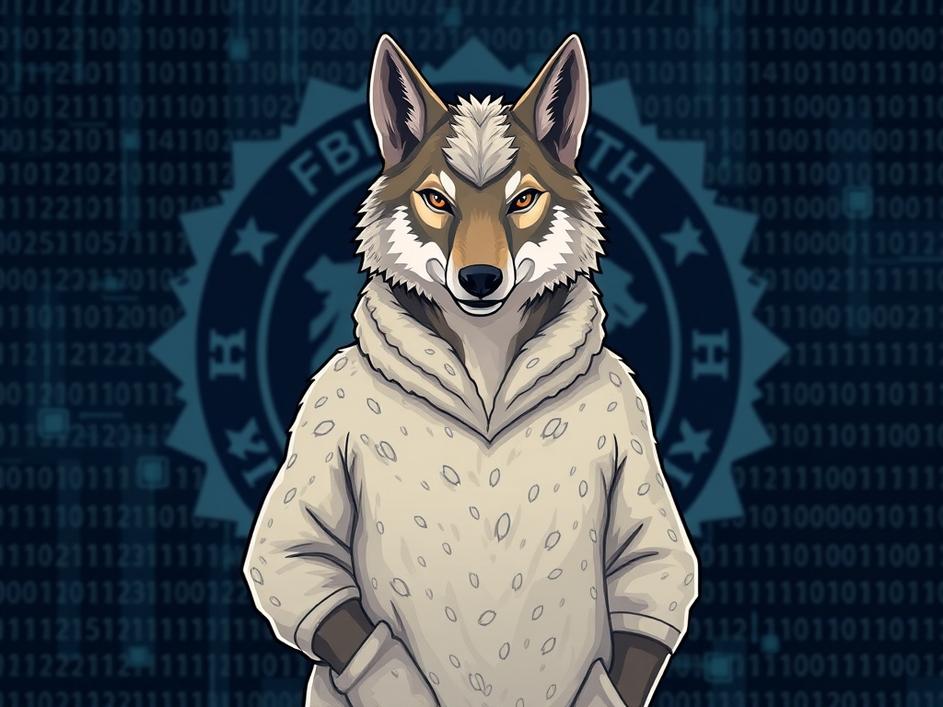
ToggleThe Federal Bureau of Investigation (FBI) has issued a warning about a cryptocurrency scam targeting users on the Tron blockchain. Scammers have created a fake token impersonating the FBI, attempting to deceive individuals and steal their funds. This highlights the ongoing risks and vulnerabilities within the decentralized finance (DeFi) space, where anonymity and rapid innovation can be exploited by malicious actors. It’s a stark reminder that even in the seemingly cutting-edge world of crypto, old-fashioned scams can still find new life.
Details on the exact mechanics of the scam are still emerging, but the general principle is clear. By creating a token that falsely claims affiliation with a trusted authority like the FBI, scammers aim to build a false sense of legitimacy. They then use this perceived credibility to lure unsuspecting users into buying the token or participating in other fraudulent activities, like providing liquidity or staking. The anonymity afforded by blockchain technology makes it difficult to track down the perpetrators, and the decentralized nature of Tron means there’s no central authority to immediately shut down the scam. This combination of factors makes it an attractive environment for fraudsters.
What makes this scam particularly troubling is the use of the FBI’s name. Most people associate the FBI with law enforcement and security, so seeing a token with that name might initially inspire confidence. This is a clever manipulation of trust, preying on people’s inherent belief in authority. It’s also a sign that scammers are becoming more sophisticated in their tactics, moving beyond simple pump-and-dump schemes to incorporate elements of social engineering and brand impersonation. This evolution makes it increasingly difficult for the average user to discern legitimate projects from fraudulent ones.
So, what can you do to protect yourself from scams like this? The first and most important step is to exercise extreme caution and skepticism. Never invest in a cryptocurrency based solely on its name or perceived affiliation with a reputable organization. Always do your own research (DYOR), thoroughly investigating the project’s whitepaper, team, and community. Look for red flags like anonymous developers, unrealistic promises, and a lack of transparency. Use reputable sources of information and cross-reference any claims made by the project. Be wary of anyone pressuring you to invest quickly or offering guaranteed returns. If something seems too good to be true, it almost certainly is. Another important precaution is to use strong, unique passwords for all your crypto accounts and enable two-factor authentication (2FA) whenever possible. Store your private keys securely, ideally offline in a hardware wallet. And never share your private keys with anyone.
This fake FBI token scam has broader implications for the cryptocurrency industry as a whole. It underscores the urgent need for greater regulation and consumer protection in the DeFi space. While decentralization offers many benefits, it also creates opportunities for fraud and abuse. Without clear rules and oversight, scams like this will continue to proliferate, eroding trust in the industry and hindering its long-term growth. It also highlights the importance of education and awareness. Crypto users need to be better informed about the risks involved and equipped with the tools and knowledge to protect themselves. This requires a collaborative effort from industry leaders, regulators, and educators to raise awareness and promote responsible investing practices. Furthermore, blockchain analytics and forensic tools are becoming increasingly important in combating crypto crime. These tools can help track the flow of funds, identify suspicious activity, and ultimately bring scammers to justice. As the crypto industry matures, the development and adoption of these technologies will be crucial in creating a safer and more secure ecosystem.
The rise of decentralized finance has brought with it incredible opportunities for innovation and financial inclusion. But it has also created a breeding ground for scams and fraudulent schemes. The fake FBI token on Tron serves as a stark reminder that vigilance and due diligence are paramount. Don’t let the allure of quick profits cloud your judgment. Take the time to research, scrutinize, and question everything. The future of crypto depends on our collective ability to weed out the bad actors and build a trustworthy ecosystem.
The crypto world is full of potential, but it’s also a wild west where scams can flourish. The fake FBI token on Tron is just one example of the risks involved. By staying informed, being skeptical, and taking proactive steps to protect yourself, you can navigate this landscape safely and avoid becoming a victim. Remember, the best investment you can make is in your own knowledge and security.



Comments are closed