

We are a digital agency helping businesses develop immersive, engaging, and user-focused web, app, and software solutions.
2310 Mira Vista Ave
Montrose, CA 91020

2500+ reviews based on client feedback
What's Included?
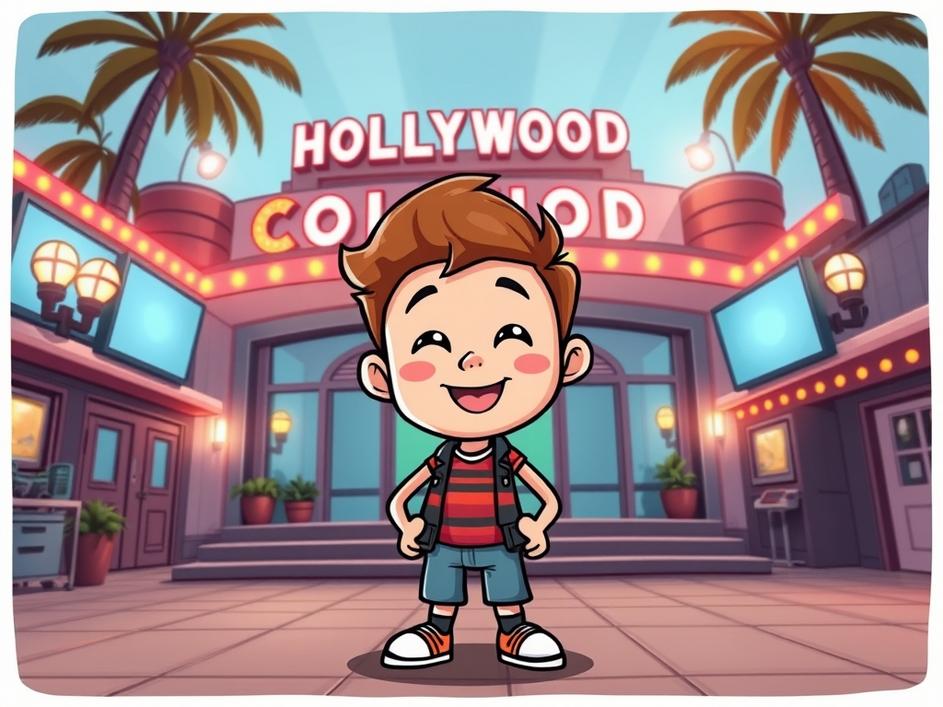
ToggleDoodles, the company behind the popular NFT collection featuring colorful, cartoonish characters, is making a surprising leap. They’ve trained an AI model on their existing artwork and are now planning to create a feature film. It’s a bold move that raises questions about the future of animation and the role of AI in creative endeavors.
The idea of using AI to generate art isn’t new. But Doodles’ approach, focusing specifically on their own established style, is interesting. Instead of relying on generic datasets, they’ve created an AI that understands and replicates the unique aesthetics of the Doodles universe. This could potentially streamline the animation process, allowing them to create content faster and more efficiently than traditional methods. But it also brings up questions about artistic originality and the value of human creativity.
Doodles isn’t just about selling digital images; they’re building a brand. From merchandise to music to now, a film, they’re expanding their reach and engaging with their community in new ways. This film project demonstrates a commitment to long-term growth and a willingness to experiment with different forms of storytelling. The use of AI, in this context, could be seen as a tool to enhance and expand their existing creative vision, not necessarily replace it.
While the potential benefits of AI in animation are clear – speed, efficiency, and consistency – there’s also a risk of losing the human touch. Animation is often about subtle details, nuanced expressions, and the unique perspective of the artists involved. Can an AI truly replicate these qualities? Will the Doodles film feel authentic and engaging, or will it come across as sterile and generic? The answer likely depends on how the AI is used and how well it’s integrated into the creative process, and if talented animators and storyboarders can guide the AI with a strong vision. This is where the human element will be the deciding factor between success and failure.
NFT projects often thrive on community involvement. The Doodles team will need to carefully navigate the concerns and expectations of their fans. Transparency about the role of AI in the film’s creation will be crucial. Will the community feel that their beloved Doodles are being treated with respect? Will they have a voice in the creative process? Addressing these questions proactively could help build trust and ensure that the film is a collaborative effort, rather than a top-down production driven solely by technology.
Doodles’ experiment with AI could have broader implications for the animation industry. If successful, it could pave the way for other studios to adopt similar techniques, potentially transforming the way animated content is created. However, it also raises ethical considerations about job displacement and the value of human artists. It’s important to have open conversations about these issues and to ensure that AI is used in a way that benefits both creators and audiences.
One angle that needs to be considered is whether this move to create a full length movie using AI will effect the value of the Doodles NFTs. There are two points of view on this. One is that if the movie is successful, then the NFTs will increase in value as the Doodles IP becomes more mainstream and popular. The alternative point of view is that the move to AI devalues the artwork because the unique art style of the NFTs is no longer exclusive to the limited collection, and can be reproduced at scale via the AI-created movie. Only time will tell which of these points of view will prove to be correct.
Doodles’ decision to use AI to create a feature film is an exciting development, but it’s not without its challenges. The success of the project will depend on their ability to balance technological innovation with artistic integrity, community engagement, and ethical considerations. If they can pull it off, it could be a significant step forward for the animation industry. If not, it could serve as a cautionary tale about the potential pitfalls of relying too heavily on AI.
Ultimately, the question isn’t whether AI *can* be used to create art, but whether it *should* be. And if so, how can we ensure that it’s used in a way that enhances human creativity, rather than replaces it? Doodles’ journey into AI-powered animation will be one to watch closely, as it could shape the future of the industry for years to come.
Comments are closed