

We are a digital agency helping businesses develop immersive, engaging, and user-focused web, app, and software solutions.
2310 Mira Vista Ave
Montrose, CA 91020

2500+ reviews based on client feedback
What's Included?
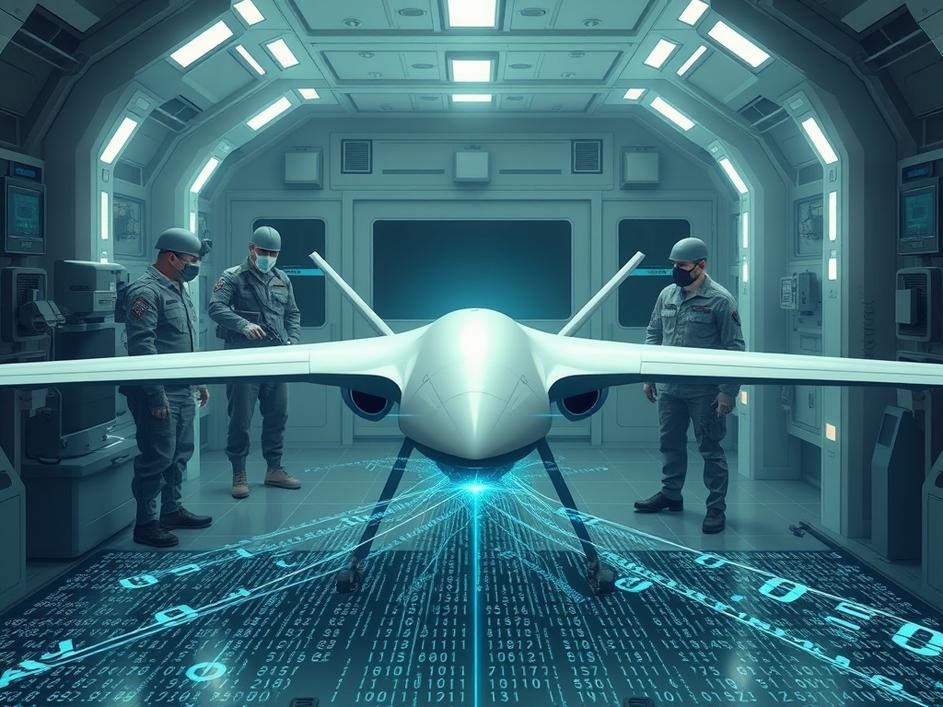
ToggleReports are circulating that Iranian forces may have captured an Israeli Hermes 900 drone. While details are still emerging, the implications of such a capture could be significant, extending far beyond just the loss of a piece of equipment. The Iranian side is boasting about having seized a fully armed drone through electronic warfare, suggesting a technological victory with potentially substantial intelligence gains. But is this just propaganda, or is there real substance behind the claims? What would the capture really mean for both sides? This incident raises a lot of questions about modern warfare and security.
The Hermes 900 is no ordinary drone. It’s a sophisticated piece of machinery used for reconnaissance, surveillance, and even targeted strikes. Developed by Elbit Systems, it’s a workhorse for the Israeli Defense Forces (IDF) and is also used by several other countries. Its capabilities include long-range flight, high-resolution imaging, and advanced data collection. Capturing such a drone isn’t just about possessing the hardware; it’s about potentially gaining access to its software, communication systems, and the intelligence it has gathered over time. The Hermes 900 can stay aloft for extended durations, providing persistent surveillance capabilities. Losing one could compromise ongoing operations.
The biggest concern for Israel likely revolves around the drone’s encrypted systems. If Iran were able to crack the encryption, it could gain access to sensitive data about IDF operations, troop movements, surveillance targets, and communication protocols. This is where the term “IDF’s encrypted brain” comes into play. It’s not just about the drone itself, but the data it carries and the systems it uses to transmit that data. Successful decryption could provide Iran with a significant intelligence advantage, potentially jeopardizing future missions and even revealing vulnerabilities in Israel’s broader defense network. Furthermore, the technical knowledge gleaned from analyzing the drone could be used to develop countermeasures against Israeli technology.
The claim that the drone was captured through electronic warfare highlights the increasing importance of this domain in modern conflict. Electronic warfare involves using electromagnetic spectrum to disrupt, deceive, or attack an enemy’s systems. If Iran indeed managed to bring down the Hermes 900 using such tactics, it demonstrates a growing sophistication in their electronic warfare capabilities. This poses a significant challenge for Israel, which relies heavily on advanced technology for its defense. It also serves as a wake-up call for other nations that depend on drone technology, as it shows how vulnerable these systems can be to electronic attacks. Developing more robust defenses against electronic warfare is becoming increasingly crucial.
It’s important to approach these claims with a degree of skepticism. Iran has a history of exaggerating its military achievements, and it’s possible that the extent of their technological coup is being overblown. However, even if the Iranians are exaggerating, the capture of a Hermes 900 drone is still a significant event. At a minimum, it provides them with a valuable propaganda victory. It allows them to project an image of strength and technological prowess, both domestically and internationally. It also gives them an opportunity to study the drone’s technology and potentially develop countermeasures. The truth likely lies somewhere between the Iranian claims and outright denial. What’s undeniable is the potential for serious ramifications.
Beyond the immediate intelligence concerns, the capture of the Hermes 900 drone could have long-term implications for the regional balance of power. If Iran is successful in reverse-engineering the drone’s technology, it could share that knowledge with its allies, such as Hezbollah or Hamas. This could significantly enhance their capabilities and pose new challenges to Israel’s security. Furthermore, the incident could embolden Iran to pursue even more aggressive electronic warfare tactics in the future. This capture, real or exaggerated, adds more fuel to the fire of regional tensions, and creates more uncertainty for the future.
This incident, regardless of the exact details, serves as a reminder of the constant need for vigilance and innovation in the field of defense technology. Drones are becoming increasingly important tools in modern warfare, but they are also vulnerable to attack. Nations need to invest in developing more robust defenses against electronic warfare and other emerging threats. They also need to be prepared for the possibility that their technology could fall into the wrong hands. The capture of the Hermes 900 drone is a strategic setback for Israel, but it also provides an opportunity to learn from its mistakes and strengthen its defenses for the future. It is a warning to stay ahead, and it might be a good idea to stay humble.



Comments are closed