

We are a digital agency helping businesses develop immersive, engaging, and user-focused web, app, and software solutions.
2310 Mira Vista Ave
Montrose, CA 91020

2500+ reviews based on client feedback
What's Included?
ToggleNeglected Tropical Diseases, or NTDs, affect millions of people around the world, especially in low-income countries. These diseases, often overlooked, can cause significant health problems, disability, and even death. Think of diseases like elephantiasis, river blindness, and schistosomiasis. They don’t get the same attention as other diseases, but their impact is huge. A new initiative aims to change that by providing resources to help communities better understand and combat these diseases.
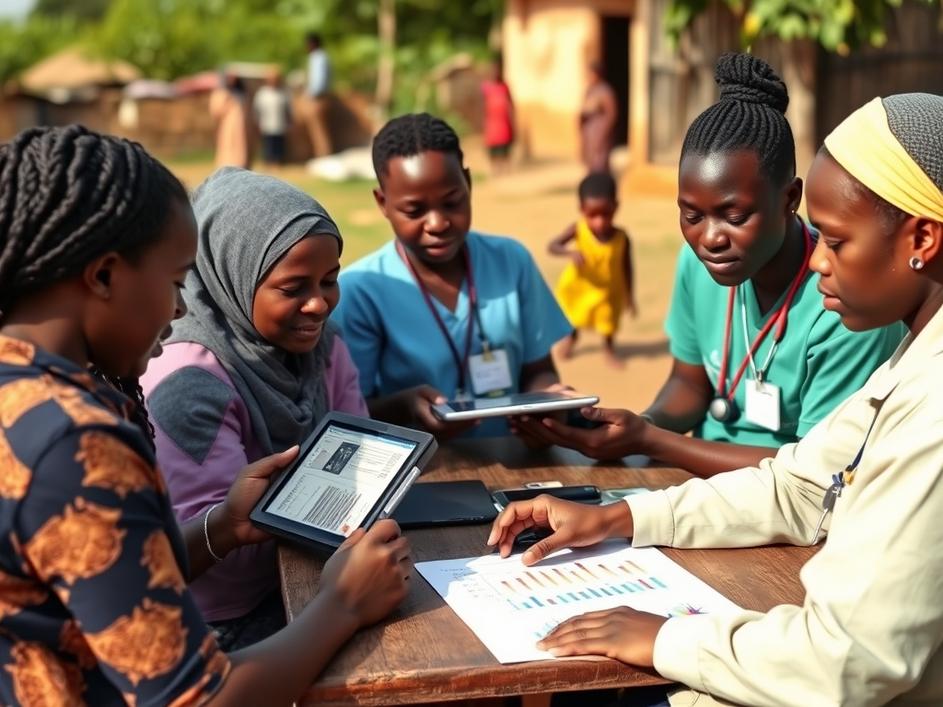
The Expanded Special Project for Elimination of Neglected Tropical Diseases (ESPEN), an organization within the World Health Organization (WHO), has released a set of tools designed to empower local communities and healthcare workers. This isn’t just about collecting data; it’s about using that information to make smart decisions about how to fight NTDs. The resources include step-by-step guides and practical templates that can be easily used in the field. This means that those on the front lines can now access the knowledge and tools they need to implement effective programs.
So, what exactly do these resources offer? The package includes guidance on how to collect, analyze, and interpret data related to NTDs. It provides templates for creating action plans and monitoring progress. For example, one template might help a community track the number of people treated for a specific disease. Another might guide them in assessing the effectiveness of a particular intervention, like mass drug administration. By providing these practical tools, ESPEN is helping to build local capacity and ensure that resources are used efficiently.
Why is this focus on data so important? Well, imagine trying to fight a war without knowing where the enemy is. Data is like your intelligence in the fight against NTDs. It tells you where the diseases are most prevalent, who is most at risk, and whether your current strategies are working. By using data effectively, communities can target their resources to where they are needed most, ensuring that interventions are effective and sustainable. This also helps to avoid wasting resources on programs that aren’t making a difference.
But this initiative isn’t just about data. It’s about empowering local communities to take ownership of their health. By providing them with the tools and knowledge they need, ESPEN is helping to create a sustainable approach to fighting NTDs. When communities are involved in the decision-making process, they are more likely to support and participate in programs, leading to better outcomes. This also helps to build trust between healthcare workers and the communities they serve.
Ultimately, this initiative represents a significant step forward in the fight against NTDs. By providing practical resources and empowering local communities, ESPEN is helping to create a more effective and sustainable approach to tackling these diseases. It’s not a quick fix, but it’s a move in the right direction – a direction where data drives decisions and communities take the lead in protecting their health. The impact could be transformative, not just in terms of disease reduction, but also in building stronger, healthier communities.
The beauty of this initiative lies in its practicality. The resources are designed to be user-friendly and adaptable to different contexts. A rural village in Africa might use the tools slightly differently than an urban area in Asia, but the core principles remain the same: collect good data, analyze it carefully, and use it to make informed decisions. This adaptability is crucial for ensuring that the resources are relevant and effective in diverse settings. It’s not a one-size-fits-all solution, but rather a flexible framework that can be tailored to meet the specific needs of each community.
This initiative is a great example of how evidence-based approaches can improve public health outcomes. By focusing on data use and community empowerment, ESPEN is helping to create a more sustainable and equitable approach to NTD control. As we look to the future, it’s clear that these principles will be essential for achieving the global goal of eliminating NTDs. It will require sustained commitment, collaboration, and a willingness to learn and adapt. But with the right tools and the right approach, we can make significant progress in the fight against these neglected diseases.
The release of these NTD data use resources is more than just a technical update; it’s a beacon of hope for millions affected by these debilitating diseases. By equipping local communities with the power of data-driven decision-making, we’re fostering a future where NTDs are no longer a barrier to health, prosperity, and well-being. It’s a future worth fighting for, and this initiative is a significant stride in that direction.



Comments are closed