

We are a digital agency helping businesses develop immersive, engaging, and user-focused web, app, and software solutions.
2310 Mira Vista Ave
Montrose, CA 91020

2500+ reviews based on client feedback
What's Included?
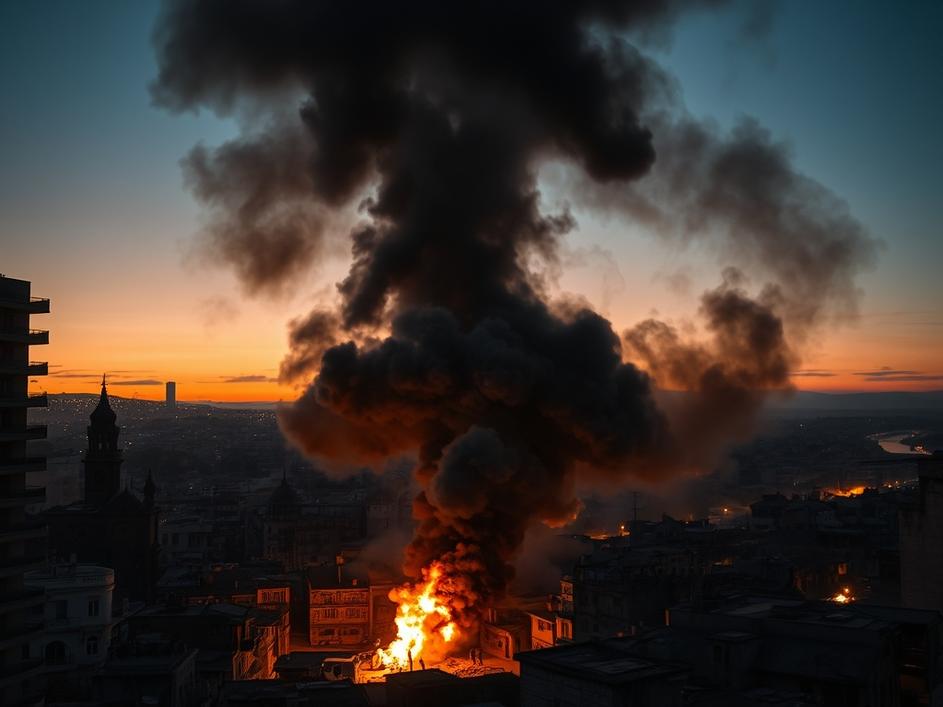
ToggleReports have emerged of an IDF (Israel Defense Forces) strike in Beirut, Lebanon. The immediate aftermath suggests that the target was a high-ranking Hezbollah commander. Details are still emerging, but the potential ramifications of such an event are significant, given the already tense situation in the region.
While official confirmation is pending, initial reports strongly indicate the targeted individual was a key figure within Hezbollah’s military structure. The elimination of such a commander would undoubtedly disrupt the group’s operations, at least temporarily. But it also carries the risk of a severe retaliatory response.
There are several potential reasons why Israel might have chosen to conduct this strike now. Firstly, it could be a preemptive move, aimed at preventing an imminent attack planned by Hezbollah. Secondly, it might be a direct response to recent provocations or attacks originating from Lebanese territory. And it also could be a strategic effort to weaken Hezbollah’s overall capabilities and deter future aggression. The exact reason will become clearer as more information surfaces.
Hezbollah is highly likely to retaliate. The group has a long history of responding forcefully to perceived aggressions against its members and interests. The scale and nature of their response are difficult to predict, but possibilities range from rocket attacks on northern Israel to cross-border raids or even attempts to target Israeli interests abroad. The intensity of the retaliation will largely depend on how Hezbollah perceives the significance of the loss and the message it wants to send.
This strike further destabilizes Lebanon, which is already grappling with a severe economic crisis and political instability. Any escalation of violence between Israel and Hezbollah will have devastating consequences for the Lebanese population, who will bear the brunt of the conflict. It also adds pressure to the Lebanese government, which struggles to maintain control over its territory, particularly in areas where Hezbollah holds significant influence. The international community will likely urge restraint, but their ability to influence events on the ground may be limited.
The incident has broader geopolitical ramifications, potentially drawing in other regional actors. Iran, Hezbollah’s main backer, will likely condemn the strike and could increase its support for the group, further escalating tensions. Other countries in the region, such as Syria, may also be affected, depending on how the situation unfolds. The strike also puts pressure on the United States and other international powers to mediate and prevent a wider conflict.
In the short term, we can expect heightened tensions along the Israel-Lebanon border, with an increased risk of further exchanges of fire. Civilian populations on both sides will be on high alert, and there could be disruptions to daily life. In the longer term, the strike could lead to a renewed cycle of violence and instability, undermining efforts to achieve a lasting peace in the region. It could also strengthen Hezbollah’s position within Lebanon, as the group could portray itself as the protector of the country against Israeli aggression.
The international community’s reaction will be crucial in shaping the trajectory of the conflict. Strong condemnation of the strike, coupled with calls for restraint, could help de-escalate the situation. However, if the international response is weak or divided, it could embolden both sides to continue down a path of escalation. Diplomatic efforts to mediate between Israel and Lebanon will be essential, but they will face significant challenges, given the deep-seated distrust and animosity between the two sides.
It’s important to see this event within the larger context of the ongoing Israeli-Palestinian conflict and the broader regional power struggles. The strike in Beirut could be seen as a sign of Israel’s growing assertiveness in the face of perceived threats, but it also risks further inflaming tensions and undermining efforts to find a peaceful resolution to the conflict. The international community needs to address the underlying causes of the conflict and work towards a comprehensive solution that addresses the needs and concerns of all parties involved.
The IDF strike in Beirut marks a dangerous escalation in an already volatile region. The potential for retaliation and further violence is high, and the consequences could be devastating for both Lebanon and Israel. The international community must act swiftly and decisively to de-escalate the situation and prevent a wider conflict. A renewed commitment to diplomacy and a comprehensive approach to addressing the underlying causes of the conflict are urgently needed. Otherwise, the region risks sliding into a new cycle of violence and instability.



Comments are closed