

We are a digital agency helping businesses develop immersive, engaging, and user-focused web, app, and software solutions.
2310 Mira Vista Ave
Montrose, CA 91020

2500+ reviews based on client feedback
What's Included?
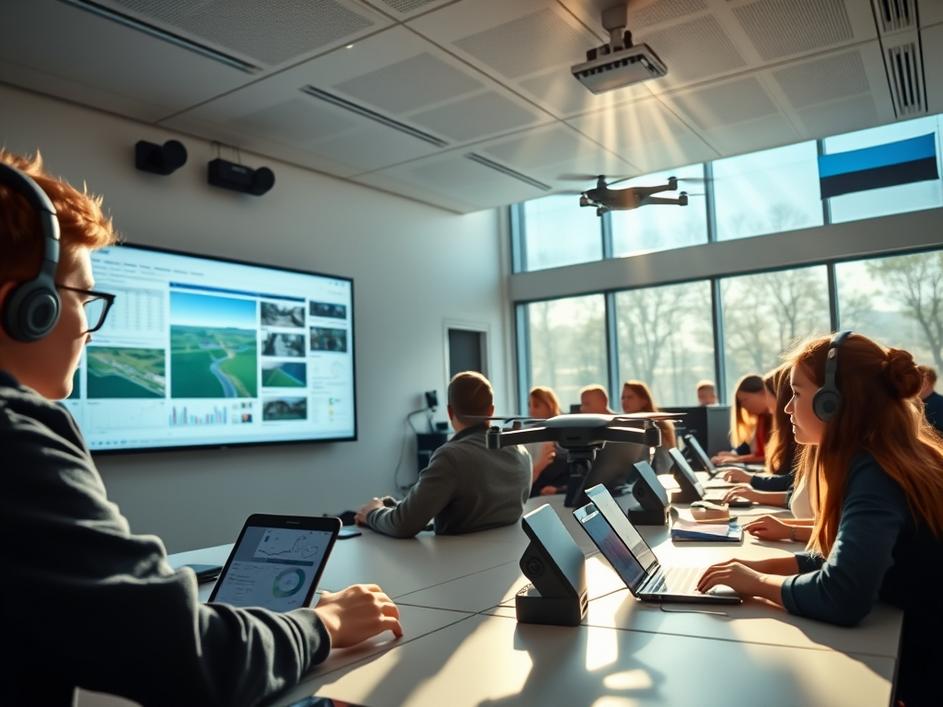
ToggleEstonia, a small nation known for its digital prowess and forward-thinking policies, is once again making headlines with a unique initiative in its high schools. Recognizing the growing importance of technology and national security, the country is introducing drone training as part of its optional curriculum for tenth-grade students. This isn’t just about flying drones; it’s a strategic move to equip the next generation with valuable skills in a rapidly evolving world.
The decision to incorporate drone education into high schools reflects a broader understanding of the role technology plays in modern society. Drones are no longer just toys or tools for hobbyists. They are increasingly used in various sectors, including agriculture, infrastructure inspection, environmental monitoring, and, of course, defense. By providing students with hands-on experience in drone operation, programming, and data analysis, Estonia is preparing them for future career opportunities and potential contributions to national security. It is really a clever idea to get people prepared.
The drone training program is designed to be comprehensive, covering not only the basics of drone flight but also the ethical and legal considerations surrounding their use. Students will learn about airspace regulations, privacy concerns, and the responsible application of drone technology. Moreover, the curriculum will likely incorporate elements of coding and data processing, allowing students to develop critical thinking and problem-solving skills. The ultimate goal is to foster a generation of tech-savvy individuals who can harness the power of drones for the benefit of society.
While the educational benefits of the drone program are undeniable, its implications for national security are equally significant. Estonia, like many other nations, faces a complex and evolving security landscape. Drones can play a crucial role in border surveillance, infrastructure protection, and emergency response. By training high school students in drone operation, Estonia is creating a pool of potential recruits for its defense forces and security agencies. These individuals will possess the technical skills and knowledge necessary to operate and maintain drone systems, giving Estonia a strategic advantage in the digital age. It is like a farm system for drone professionals.
It’s important to note that the skills acquired through the drone program are not limited to military applications. The ability to operate and analyze data from drones is valuable in a wide range of civilian sectors. For example, drone technology can be used to monitor crops, assess environmental damage, inspect bridges and buildings, and deliver medical supplies to remote areas. By investing in drone education, Estonia is fostering a workforce that is capable of driving innovation and economic growth across various industries. This could really set their economy up for success.
Estonia’s high school drone program is a testament to the country’s commitment to innovation and its understanding of the importance of technology in the 21st century. By equipping its youth with the skills and knowledge necessary to thrive in a digital world, Estonia is positioning itself as a leader in technological advancement and national security. This initiative serves as an example for other nations looking to prepare their citizens for the challenges and opportunities of the future. It is a brilliant and logical step to take.
Of course, implementing such a program is not without its challenges. Ensuring that all students have equal access to the training, regardless of their socioeconomic background, is crucial. Additionally, addressing potential privacy concerns and establishing clear regulations for drone use are essential to maintaining public trust. However, with careful planning and execution, Estonia can overcome these challenges and create a successful and sustainable drone education program. It will require a lot of work, but it is worth it.
Estonia’s bold move to incorporate drone training into its high school curriculum raises the question of whether other countries should follow suit. While the specific needs and priorities of each nation may vary, the underlying principle of preparing students for the future remains universal. As technology continues to advance at an accelerating pace, education systems must adapt to equip students with the skills and knowledge they need to succeed. Estonia’s drone program offers a compelling example of how to do just that, and it will be interesting to see if this takes off in other countries as well.
In conclusion, Estonia’s high school drone training initiative is more than just a novel educational program; it’s a visionary investment in the future. By empowering its youth with the skills and knowledge to harness the power of drone technology, Estonia is not only strengthening its national security but also fostering a culture of innovation and preparing its citizens for the challenges and opportunities of the 21st century. It’s a bold move that could pay off handsomely in the years to come, securing Estonia’s position as a leader in the digital age.



Comments are closed