The Rising Tide of Concern
Climate change is no longer a distant threat; it’s part of our daily conversation. One area where its effects are increasingly visible is in our freshwater supplies. As temperatures rise, glaciers melt, and precipitation patterns shift, we’re starting to see how vulnerable our water sources truly are. Communities around the world are feeling the impacts, from droughts in some areas to flooding in others. These changes are not just environmental issues; they affect food security, health, and economic stability.
The Challenge of Drought
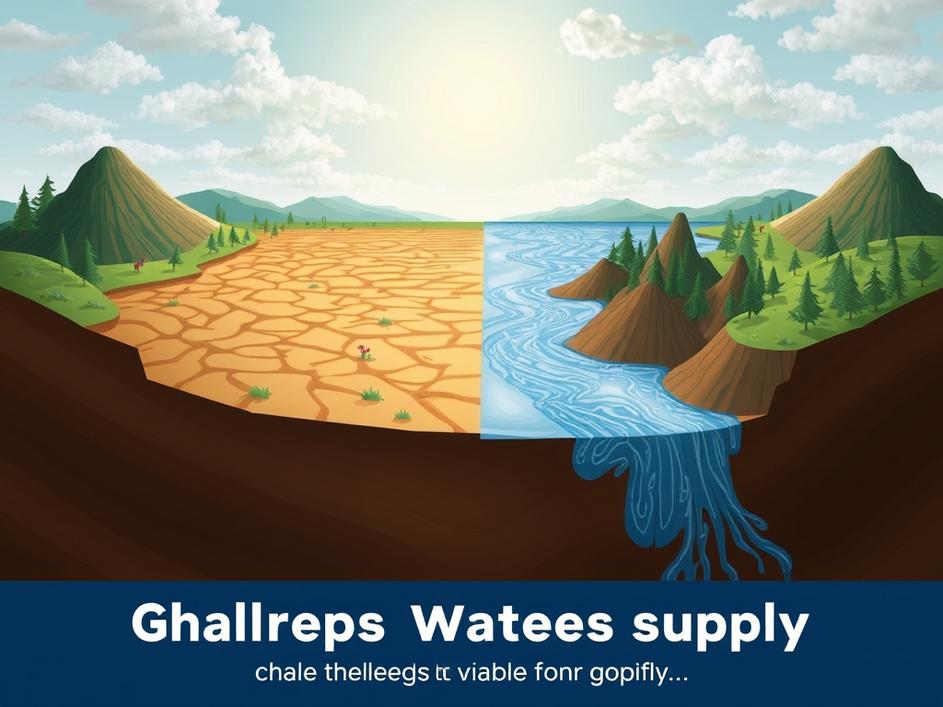
Many regions are grappling with severe drought due to changing climate patterns. Places that once enjoyed predictable rainfall are now experiencing months of dry spells, making it hard for farmers to grow crops. This scarcity of water might lead to increased food prices, which we all feel in our wallets. To combat this, some areas are turning to innovative techniques, like drip irrigation or drought-resistant crops, but these solutions require resources and investment that aren’t always available.
Flooding: Not Just a Natural Disaster
While drought is a serious issue, other regions face the opposite problem: flooding. Heavy rains and rapid snowmelt are causing rivers to overflow, leading to devastating consequences. Communities are often unprepared for such disasters, which can disrupt lives, damage infrastructure, and create long-term economic challenges. The unpredictable nature of these weather events makes planning very difficult for local governments and communities alike.
Global Implications of Local Water Issues
The implications of these changes in water supply reach far beyond individual communities. As some countries experience drought, others with more reliable rainfall might find themselves facing new pressures. Water shortages can lead to conflicts over resources, making it necessary for nations to work together. International cooperation on water resources will become increasingly important as we navigate these challenges. Addressing water management on a global scale may help reduce tensions and ensure fair distribution.
Empowering Communities through Awareness
Addressing water supply issues requires education and awareness at all levels. Local communities need to understand the impact of climate change and get involved in solutions. Encouraging practices like water conservation and efficient usage can make a big difference. Workshops, community meetings, and collaborative projects can help foster a sense of responsibility towards water resources. By coming together, communities can create sustainable solutions that work for their unique circumstances.
A Collective Call to Action
As we look towards the future, it’s clear that we all have a role to play in tackling the challenges posed by climate change and its impact on our water supply. It’s about more than just concern for the environment; it’s about ensuring a stable future for ourselves and generations to come. We need to advocate for policy changes, support sustainable practices, and invest in innovations that protect our water sources. Only through collective action can we hope to address these pressing issues.





Comments are closed