

We are a digital agency helping businesses develop immersive, engaging, and user-focused web, app, and software solutions.
2310 Mira Vista Ave
Montrose, CA 91020

2500+ reviews based on client feedback
What's Included?
ToggleIn a world often divided by differing beliefs, the concept of religious moderation emerges as a vital pathway toward peaceful coexistence. It’s about striking a balance – holding firmly to one’s own faith while simultaneously respecting the rights and beliefs of others. This approach isn’t about diluting faith; instead, it’s about enriching understanding and fostering a society where diverse perspectives can thrive together. This idea is the base of some educational materials circulating, like the presentation “Tugas Minggu ke4PAI BERBASISModerasi-Beragama-.pptx”.
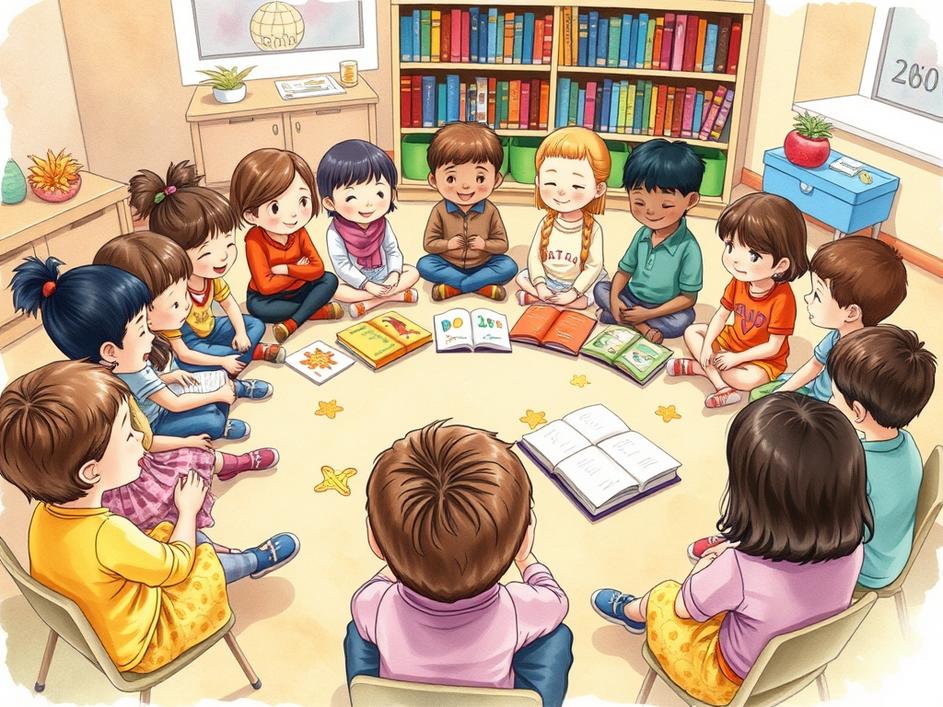
Education plays a pivotal role in cultivating religious moderation. By integrating this principle into curricula, schools can equip students with the critical thinking skills necessary to analyze different viewpoints and engage in constructive dialogue. This goes beyond simply memorizing facts about various religions; it involves encouraging empathy, promoting tolerance, and challenging stereotypes. Ultimately, education can help students develop a nuanced understanding of the complex relationship between faith and society.
Tolerance is often seen as the gold standard of interfaith relations, but acceptance takes it a step further. Tolerance implies a willingness to put up with something, even if you don’t necessarily agree with it. Acceptance, on the other hand, suggests a genuine appreciation for the value and validity of other beliefs. When we accept others, we acknowledge their inherent dignity and recognize that our differences can be a source of strength, not division. Educational initiatives should strive to foster acceptance, creating environments where students feel safe to express their beliefs and learn from one another.
So, how can educators practically integrate religious moderation into the classroom? One approach is to incorporate diverse perspectives into existing lessons. For example, when teaching history, explore the contributions of individuals from various religious backgrounds. When discussing literature, analyze texts that grapple with questions of faith and identity. Another effective strategy is to facilitate open and respectful discussions about religious topics. Create a safe space where students can share their thoughts and ask questions without fear of judgment. Furthermore, consider inviting guest speakers from different faith traditions to share their experiences and insights. By providing students with opportunities to engage with diverse perspectives, educators can help them develop a deeper understanding of religious moderation.
And, create exercises that encourage students to reflect on their own beliefs and biases. Self-awareness is a crucial component of moderation. By helping students understand their own perspectives, we empower them to approach others with greater empathy and understanding.
Implementing religious moderation in education is not without its challenges. Some may argue that it infringes upon religious freedom or promotes a relativistic worldview. However, it’s important to emphasize that religious moderation is not about abandoning one’s own beliefs. It’s about recognizing the validity of other perspectives and engaging in respectful dialogue. Furthermore, it’s crucial to address the concerns of parents and community members who may have reservations about the curriculum. Open communication and collaboration are essential for building trust and ensuring that religious moderation is implemented in a way that respects the values and beliefs of all stakeholders. Overcoming these challenges requires careful planning, sensitivity, and a commitment to creating inclusive learning environments.
Religious moderation is not a destination; it’s a journey. It requires ongoing dialogue, critical reflection, and a willingness to challenge our own assumptions. As societies become increasingly diverse, the need for religious moderation will only continue to grow. By investing in education that promotes understanding, empathy, and respect, we can create a more peaceful and just world for all.
In conclusion, religious moderation is an essential principle for building a harmonious and inclusive society. By integrating this concept into education, we can equip students with the skills and knowledge they need to navigate a complex and diverse world. It’s about fostering empathy, promoting tolerance, and challenging stereotypes. While challenges exist, the benefits of religious moderation are undeniable. By embracing this approach, we can create a future where diverse perspectives thrive together, contributing to a richer and more vibrant society for all.



Comments are closed