

We are a digital agency helping businesses develop immersive, engaging, and user-focused web, app, and software solutions.
2310 Mira Vista Ave
Montrose, CA 91020

2500+ reviews based on client feedback
What's Included?
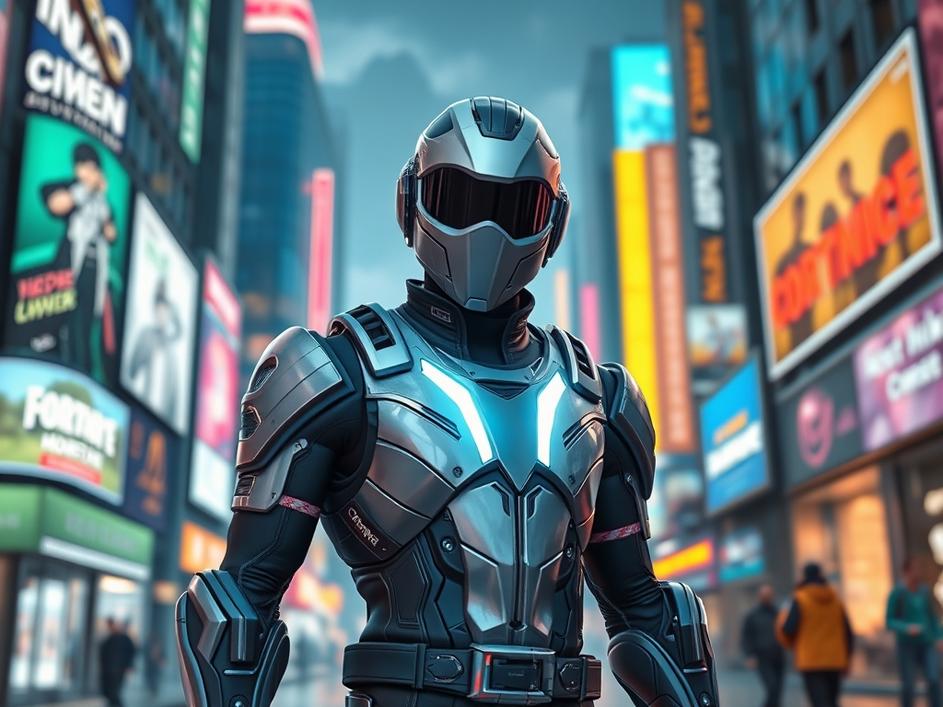
ToggleThe world of Fortnite is about to get a whole lot more stylish, and potentially lucrative, for both players and creators. Fr8qu8ncy and The Omniverse City, an official Epic Games developer, are teaming up to bring branded digital merchandise directly into the game. This isn’t just about looking cool; it’s about opening up new avenues for monetization within the ever-expanding metaverse.
Forget simple cosmetic changes. This collaboration aims to integrate branded skins, gear, and even functional gameplay items into Fortnite. Imagine rocking a virtual jersey of your favorite sports team, or wielding a pickaxe designed by a popular artist. But it doesn’t stop there. These items could potentially offer unique in-game advantages or unlock special abilities, adding a whole new layer of depth to the gameplay experience. This is a massive step beyond basic character skins.
This integration presents a huge opportunity for content creators, brands, and individual talents. They can now design, create, and sell their own unique digital merchandise within the Fortnite ecosystem. Think about independent artists designing limited-edition skins, or musicians releasing themed gear to coincide with their new album. The possibilities are endless, and the revenue potential is significant. This is a fantastic way for creators to reach a massive audience and generate income directly from their work. It levels the playing field, allowing smaller creators to compete with larger studios.
The introduction of branded digital merch raises some interesting questions about the future of Fortnite. Will these items be balanced within the game, or will some offer unfair advantages? How will Epic Games ensure that the quality and design of these items meet their standards? And most importantly, how will players react to this new wave of monetization? Only time will tell, but one thing is certain: the integration of branded merch has the potential to significantly alter the Fortnite landscape.
This move by Fr8qu8ncy and The Omniverse City highlights a growing trend towards digital ownership and the metaverse. As virtual worlds become more immersive and integrated into our daily lives, the demand for unique and personalized digital assets will only increase. Fortnite is just one example, but the concept of owning and trading digital merchandise has the potential to revolutionize industries far beyond gaming. Think about virtual real estate, digital art, and even virtual fashion. The possibilities are truly limitless.
While the concept is exciting, the success of this venture will depend heavily on execution. The integration needs to be seamless, the items need to be appealing, and the monetization model needs to be fair and transparent. If done poorly, this could easily backfire and alienate players. However, if done well, this could be a major win for everyone involved, from the developers to the creators to the players themselves. The community will be watching closely to see how this unfolds.
This digital merch drop into Fortnite could signal the beginning of a new era of in-game economics. Imagine a future where players can earn a living by designing and selling their own digital creations within their favorite games. This could create new jobs and opportunities for people all over the world, regardless of their physical location or background. It’s a bold vision, but one that seems increasingly possible as the metaverse continues to evolve.
Overall, the integration of branded digital merchandise into Fortnite is a promising development with the potential to benefit creators, brands, and players alike. However, it’s important to approach this with cautious optimism. The success of this venture will depend on careful planning, seamless execution, and a commitment to fairness and transparency. If done right, this could be a game-changer for the metaverse and the future of digital ownership. If not, it could be a costly mistake.


Comments are closed