

We are a digital agency helping businesses develop immersive, engaging, and user-focused web, app, and software solutions.
2310 Mira Vista Ave
Montrose, CA 91020

2500+ reviews based on client feedback
What's Included?
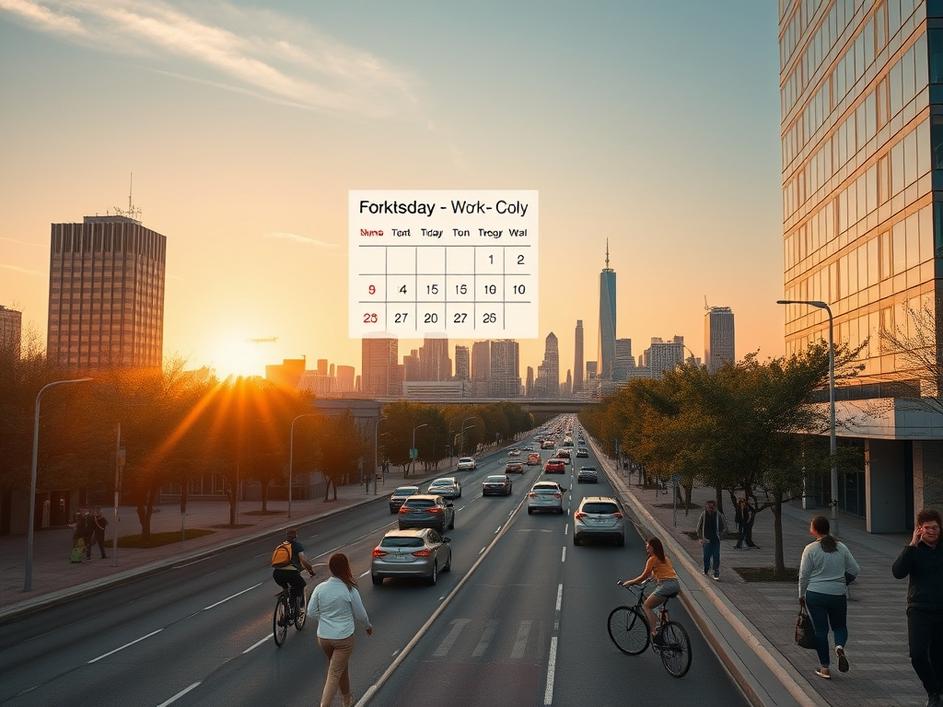
ToggleLast week a mid-sized city announced a bold test. A four-day workweek, every week, with no pay cut for firms that sign up. The goal is to see if less time at work can bring more focus and energy to the time we do have. The plan covers about 5,000 workers across different sectors. Some days will be long, but the week will end earlier for most people. The city says it wants to study productivity, happiness, and emissions. It sits in a bigger trend: places rethinking how we use time at work, and how that time shapes our cities. The program will run for 12 months, in both public and private companies that volunteer. Local leaders say this is not about cutting profits, but about cutting waste and giving people back a weekend in the middle of a busy week. The plan also sets up room to adjust rules based on what works. An independent research team will track changes to crime, traffic, hospital wait times, and daily commutes to separate hype from real effects.
People get a lot of attention here. Early notes from similar trials say burnout drops when people have more rest. Family life improves, and sleep gets better. The city hopes this translates to fewer sick days and sharper focus at work. But not all jobs fit the plan. Hospitals, buses, shops, emergency crews have shifts that depend on coverage. Businesses worry about meeting demands without longer hours. Some fear slower service or higher costs. The city says there will be exceptions and a flexible approach, with childcare and eldercare support during the transition. Still, the idea that care and connection matter as much as numbers feels new and real. Workers with flexible schedules may find space for side projects, training, or caring for loved ones, which can lift their sense of purpose. In short, this is about people, not just payroll sheets.
No one pretends there is no cost. The switch means more planning, new schedules, and possibly more staff to cover hours. Some workers may see pay changes if overtime is common now. The city will need a clear evaluation method and transparent reporting. Companies will test, adjust, and learn. The idea is not to push the burden on workers but to share it, with phased pay scales and optional overtime rules. Long term, the goal is to save energy, cut traffic, and raise life quality. If the plan fails, it will still teach us something about how work fits our days. There will be a close look at morale, customer satisfaction, and the cost of staying open longer. A key question is how automation and better task design can fill gaps without losing human touch.
Life outside the office matters more. More rest means people can choose hobbies, study, or family. Local streets feel calmer when rush hour shrinks. Small shops may see different patterns in foot traffic. People might spend more time in parks or cafes. The plan also nudges leaders to think of time as a resource, something to defend, not just spend. It challenges the idea that more hours equal more value. It invites a different math: happiness and health alongside jobs and income. If workers feel less rushed, they may bring fresh ideas to the table. The social fabric can get stronger when people have the effort to volunteer or coach a kid’s team. It’s not a perfect fix, but it could help cities grow kinder and less noisy.
For cities, the move could reshape transit, housing demand, and energy use. Fewer commuting days might ease congestion and cut pollution. Transit agencies will need to adapt schedules and staffing. Businesses gain a chance to rethink workflows and tools. Digital productivity, collaboration, and automation may speed up, not slow down, the shift. But the real test is how smoothly services keep up and how fair rules are for workers who still need shifts. If it sticks, other cities will watch closely. A successful run could become a blueprint for teams trying to balance innovation with care for workers. It could push suppliers to offer more flexible, weekend-friendly options and encourage better neighborhood planning near workplaces.
I’m curious but cautious. The idea is simple: if people rest, they do better work. If cities back rest, life improves. But real life is messy. Some jobs can’t slow down, and some people need steady pay. The policy needs strong guardrails and real feedback from workers. It should include childcare, eldercare, and flexible hours where needed. This isn’t a magic fix. It’s a test to see what time well spent looks like in a busy world. If the plan survives a year, it deserves a careful look at what helped and what failed, and what we can take forward into our own routines. Time matters. How we use it might matter more. If this gets built well, we may see a gentler pace that still keeps wheels turning and communities thriving. The real value could be a common sense return to human tempo in the middle of a noisy era.


Comments are closed