

We are a digital agency helping businesses develop immersive, engaging, and user-focused web, app, and software solutions.
2310 Mira Vista Ave
Montrose, CA 91020

2500+ reviews based on client feedback
What's Included?
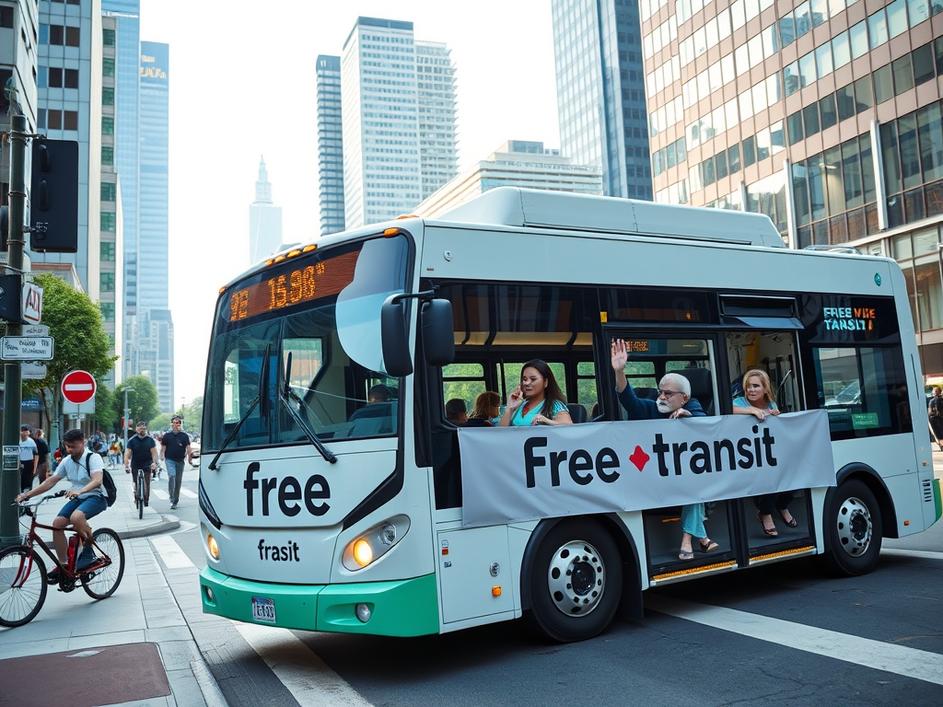
ToggleThe city of Verdant announced a bold move: transit will be free. Not just a few routes, but the whole network. The goal is simple to say: more people should leave cars at home. The plan rolls out over two years. First, daytime routes go free, then late-night service follows. The money comes from several places. The city will cut some costs, grab grants, and ask for a tax shift. It’s not magic. It’s a big bet that cheaper travel will push people to switch. The real test will be whether the buses run when people need them.
The plan aims to help low income families, students, seniors, and workers who depend on transit. Free rides can save money and time. It also may cut traffic and fumes. But money has to come from somewhere. The city talks about taxes on things like property and some business receipts. Critics ask: will the costs fall more on everyday residents in other ways? Will service shrink because the bus system needs less revenue to run? Will workers at the transit agency face layoffs or wage cuts? The answers aren’t simple. This is a test of how a city balances fairness with ambition.
This is more than a transit move. It changes how people move, where they stand, and how streets feel. If buses are free, more people might walk to the stops, use bikes, or hop on express services. The city can rethink space: more room for pedestrians, more room for shops and street life. But it also faces a crowd issue. If demand spikes, schedules must adapt. If dedicated lanes aren’t there, buses get stuck in traffic. The policy invites a rethinking of what a city is for: not just cars, but people, bikes, buses, and small businesses.
I spoke with a nurse who rides three buses to reach her hospital. She rarely used the bus before because of costs. Now she can plan better. A student told me free rides mean more time for study and part-time work. A small bakery owner sees more foot traffic when people can roam the downtown without paying fare. These stories aren’t proof, but they show what could happen. The human side matters. A policy is not only about numbers; it changes daily life. If it works, it lifts a layer of stress for many. If it falters, it hits the touchy nerves of workers and families.
No plan is perfect. Free transit needs a steady stream of money for buses, drivers, maintenance, and clean fleets. If revenue falls too short, service could slow down. If maintenance slips, buses break more often. The city must guard against urban gaps: late buses, crowded trains, poor signage. There’s also the political risk. Changes like this are easy to promise but hard to keep. Finally, what about people who live outside the city? They may not get the same benefit. A fair plan should include rural routes, not just the center. The plan needs clear numbers and a clear time line.
The move shows a city trying to think long term. It puts trust in people and in better planning. It asks us to value time differently. If we need to get somewhere fast, we should plan around the bus schedule, not around personal cars. It also asks for patience. Free rides don’t fix every problem at once. They might shift the problem from tickets to crowding or delays. A city can be bold without being reckless. The key is to stay honest about costs and to keep listening to residents.
I see two clear steps. First, set real goals and measure them. Ridership, speed, air quality, and equity should all be tracked. Second, keep a plan to adjust. If the numbers don’t add up, be ready to tweak funding or service. The city should protect workers, maintain good service, and grow the network where it matters most. Free transit can be a gift if done with care. It can also be a lesson in how a city handles change. Either way, Verdant is not just changing fares. It’s testing how urban life can work when cars do not own the street.



Comments are closed