

We are a digital agency helping businesses develop immersive, engaging, and user-focused web, app, and software solutions.
2310 Mira Vista Ave
Montrose, CA 91020

2500+ reviews based on client feedback
What's Included?
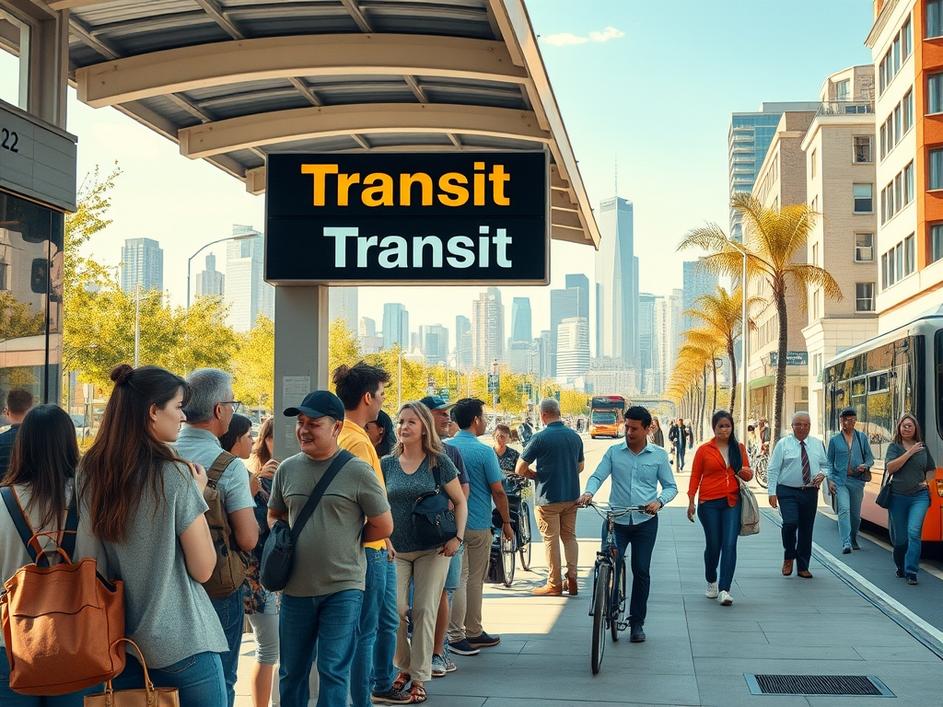
ToggleThe plan announced this week would make buses and trains free for everyone who lives here and for visitors staying in the city long enough to qualify. It would apply to most routes, from the busy city center to the quieter neighborhoods, and would cover both buses and light rail. The motivation is simple, even if the math is not. Cutting the price of travel should boost use of public transit, ease traffic jams, and lower pollution. The city frames the move as a test of how much people can rely on shared services when the government covers the cost. Money will come from several places: higher taxes on commercial properties, some fees tied to crowded corridors, and funds from state programs aimed at clean transport. Critics say the price tag is big and the risks are real, but the impulse deserves a closer look.
The idea lands at a time when many cities are rethinking space and movement. Gas prices are high, car ownership is costly, and parking is scarce in core areas. Remote and flexible work has changed daily routines, yet many people still rely on public transit for affordable, stable trips. Free rides would not just cut a fare; they could change how people plan their days. If a bus is no longer a bill to fear, more people might try it and then switch away from driving. The promise is a cleaner city and a more inclusive one, where mobility is not tied to a monthly wallet check. Still, a plan like this needs more than good intentions; it needs reliable service and predictable schedules to win trust.
The funding approach aims to spread the burden so it feels fair. By tapping into business taxes and congestion-related fees, the plan tries to keep riders from shouldering every cost. It also targets low-income residents with protections that ensure zero fare remains a real option for those who need it most. The upside for businesses could be a steadier flow of customers and a nicer curb appeal in areas once crowded by cars. But there are downsides too. If the revenue stream falls short, service quality could slip, schedules may drift, and maintenance could lag. The city will need strong oversight and clear rules to guard against haphazard spending. This is as much about finance as it is about public trust.
Skeptics have valid questions. Can a system run smoothly with more people on board? Will drivers and maintenance crews keep pace with demand? And how will the city prevent misuse by tourists or services that rush in for a month and vanish? These issues are not small. They require hiring, training, and long-term planning. The plan will need a robust schedule, better maintenance, and real incentives to keep fares from creeping back once the novelty wears off. There is also the challenge of ensuring equity across neighborhoods. Without careful design, richer areas could benefit more from free transit while poorer areas get slower service. The path forward is to build checks, balances, and steady investments.
Free transit could reshape the city from the ground up. People might pick homes closer to work or schools because the ride is affordable. Shops and offices near transit hubs could gain foot traffic, while parking garages near busy streets might start looking quieter. City planners could push for more bike lanes and safer sidewalks to connect people to stops. The plan also invites new partnerships, like on-demand shuttles to bridge gaps in service and better information apps that help riders plan steps. All of this hinges on thoughtful implementation and clear communication. If residents feel heard and see real improvements, the plan can become more than a policy—it can change daily life for the better.
If ridership grows and traffic dips, that is a start. If air quality inches toward cleaner numbers, the city earns a real win. The money must hold up over time, and it must support a reliable schedule day after day. Equity matters, too: people in all parts of town should feel the benefit, not just those who live near the best routes. The city should publish clear metrics and share progress openly, with room to adjust if results lag. This is not a perfect plan, but it tests a belief many cities hold—that mobility should be a shared service, funded by the public, not a private perk. In the end, the test is simple: do we trust one another enough to ride together and build a more connected place?


Comments are closed