

We are a digital agency helping businesses develop immersive, engaging, and user-focused web, app, and software solutions.
2310 Mira Vista Ave
Montrose, CA 91020

2500+ reviews based on client feedback
What's Included?
ToggleRemember when gaming consoles were, well, just for playing games? It seems like a lifetime ago, but there was a time when the idea of streaming movies or TV shows on your PlayStation or Xbox felt like a cool bonus feature, not a core function. These devices were designed with polygon counts and frame rates in mind; streaming was an afterthought, a way to add extra value and maybe steal some users from traditional DVD players.
The PlayStation 3 was arguably the first console to take streaming seriously. With its built-in Blu-ray player and surprisingly robust online capabilities, it became a popular choice for early streaming adopters. Netflix, Hulu, and other services found a welcoming home on the PS3, expanding its appeal beyond just gamers. The PS3’s architecture, though complex, allowed for a level of versatility that other consoles struggled to match at the time. And who can forget the XrossMediaBar interface? It was clunky by today’s standards, but it was a clear attempt to unify various forms of media consumption.
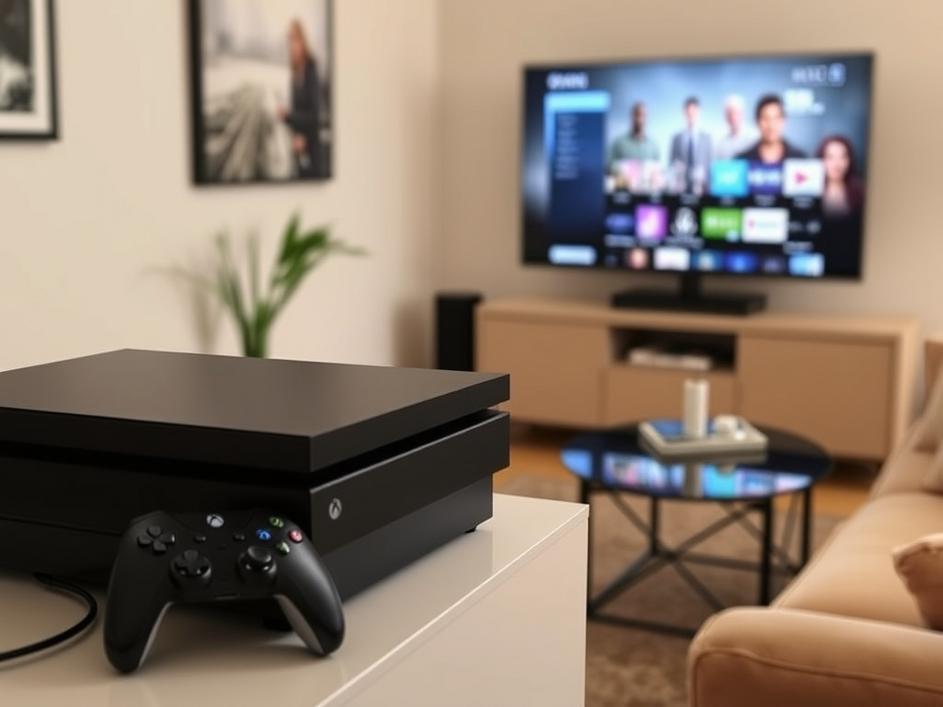
Microsoft was also keen to get in on the action. The Xbox 360 offered its own suite of streaming apps, positioning itself as an entertainment hub for the living room. Microsoft pushed Xbox Live as a premium service, a precursor to today’s subscription-based streaming landscape. While the Xbox 360 had its share of hardware issues (red ring of death, anyone?), its commitment to online services and media playback was undeniable. It was a battle for living room dominance, and both Sony and Microsoft saw streaming as a key weapon.
But then something interesting happened: dedicated streaming devices like Roku, Apple TV, and Amazon Fire TV emerged. These little boxes and sticks were laser-focused on one thing: delivering streaming content. They were often cheaper than consoles, easier to use, and offered a wider range of apps. Suddenly, the console’s streaming capabilities, once a major selling point, became less critical. Why pay hundreds of dollars for a gaming console when a $30 streaming stick could do the job just as well, if not better? And the rise of smart TVs with built-in streaming further eroded the console’s advantage.
Nintendo, as usual, took a different path. The Switch, with its focus on portability and gaming-first design, never really embraced streaming in the same way as its competitors. While Hulu is available, the selection is limited. This might be a strategic choice. Nintendo understands its core audience and prioritizes the gaming experience above all else. The Switch is a gaming device first and foremost, and it doesn’t try to be anything it’s not. The Switch’s success proves that a console doesn’t need to be a streaming powerhouse to be successful.
Today’s consoles, the PlayStation 5 and Xbox Series X/S, are incredibly powerful machines capable of stunning gaming experiences. They still offer a wide array of streaming apps, but streaming is no longer the headline feature. It’s an expected capability, a checkmark on a list of features. Gamers expect to be able to watch Netflix or Disney+ on their consoles, but it’s not the primary reason they buy them. The focus has shifted back to gaming, with an emphasis on high-resolution graphics, fast loading times, and immersive gameplay.
So, what’s the future of consoles and streaming? It’s likely that the two will continue to coexist, but in a more balanced way. Consoles will remain gaming-focused devices, with streaming as a convenient option. Dedicated streaming devices will continue to cater to those who prioritize streaming above all else. And smart TVs will blur the lines even further, offering a seamless blend of live TV, streaming apps, and even some gaming capabilities. The console’s role as a streaming hub may have diminished, but it played a crucial part in the evolution of how we consume media in the living room. It paved the way for the streaming revolution we enjoy today.
One cannot dismiss the growing prevalence of cloud gaming services which may or may not be classified as streaming, it is, in essence, streaming game play and experiences. It has the potential to change how media is consumed, by lowering the technological barriers to entry and allowing players to access rich experiences from nearly any device with a screen and broadband connection. Current consoles are still the best option, but as technology improves, and broadband infrastructure expands, this form of entertainment may begin to dominate the space.
The story of game consoles and streaming is a fascinating one. It’s a story of innovation, competition, and adaptation. Consoles initially embraced streaming as a way to expand their appeal, but dedicated streaming devices eventually stole the show. Now, consoles are back to focusing on what they do best: delivering incredible gaming experiences. It’s a full-circle moment, a reminder that sometimes, it’s best to stick to your strengths. But the legacy of the console’s streaming experiment lives on, shaping the way we consume media today.


Comments are closed