

We are a digital agency helping businesses develop immersive, engaging, and user-focused web, app, and software solutions.
2310 Mira Vista Ave
Montrose, CA 91020

2500+ reviews based on client feedback
What's Included?
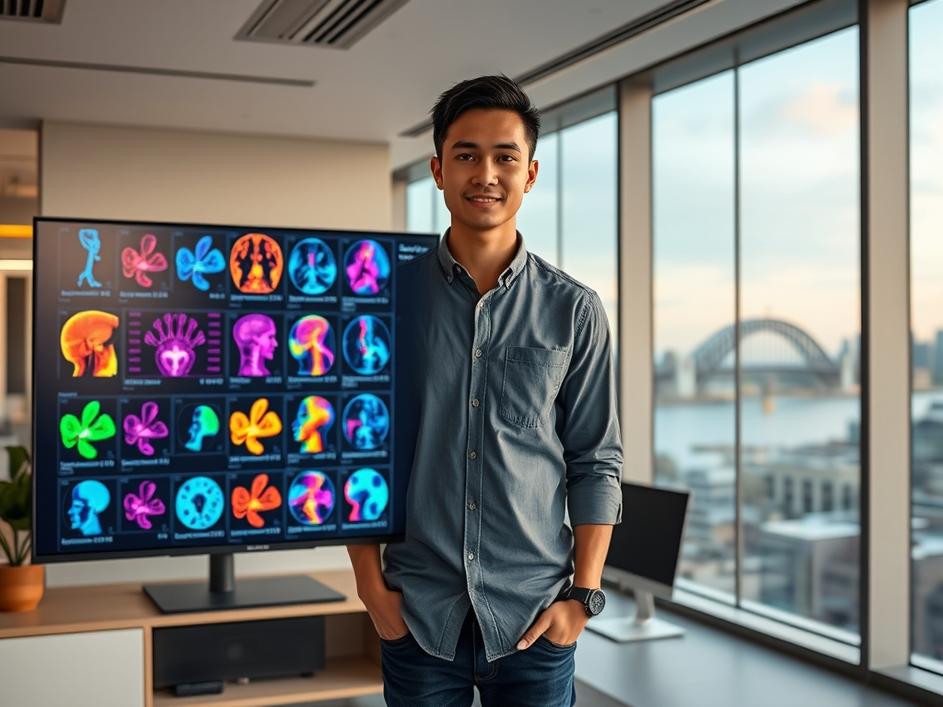
ToggleAengus Tran used to walk the wards of a busy Sydney hospital, listening to heartbeats and reading X‑rays by hand. He loved the work, but he also saw the limits. A scan could sit on a table for hours before a specialist gave a second opinion. That delay can mean the difference between life and death. So he asked himself a simple question: could a computer do this faster and just as well? The answer set him on a new path. He left the clinic, swapped his white coat for a startup hoodie, and started building a tool that could read images in seconds.
Leaving a steady medical job isn’t a decision most doctors make lightly. Tran felt the pull of a problem that kept him up at night. In rural clinics, patients often travel days just to get a scan reviewed. In city hospitals, the backlog can stretch to weeks. He realized that the bottleneck wasn’t the machines – it was the human eyes that had to interpret them. With a background in both medicine and a love for coding, he saw a gap where technology could step in. He didn’t want to replace doctors, he wanted to give them a better tool.
In 2022, Tran launched Harrison.ai in a small office near the harbor. The core product is an AI engine that looks at X‑rays, CTs and MRIs and highlights areas of concern. The system was trained on millions of anonymized scans from around the world. It learns to spot patterns that even seasoned radiologists might miss. The biggest win is speed: a scan that used to take a radiologist an hour can now be flagged in under a minute. Accuracy is also high – independent studies show the AI matches or exceeds human performance in many tasks.
Early adopters say the difference is tangible. In a remote clinic in the Northern Territory, a doctor used the AI to catch a hidden fracture that would have been missed until the patient returned weeks later. The patient got a cast the same day and avoided a serious complication. In a busy city emergency department, the tool helped triage patients faster, freeing up beds for those who needed urgent care. The technology also gives smaller hospitals a level of expertise they could never afford on their own, leveling the playing field.
Creating a medical AI isn’t just about writing code. Regulations demand rigorous testing, and data privacy laws mean every scan must be stripped of personal details. Tran’s team spent months navigating approval processes in Australia, the US and Europe. They also had to earn the trust of doctors who were skeptical at first. To address that, they built a transparent interface that shows exactly why the AI flagged a spot. They also kept a human in the loop – the AI suggests, the doctor decides. This partnership model has been key to wider acceptance.
From my point of view, Tran’s story is a reminder that technology works best when it solves a real pain point. He didn’t start with a fancy algorithm; he started with a patient who waited too long for a diagnosis. The result is a tool that can be deployed anywhere, from a high‑tech hospital to a makeshift clinic in a disaster zone. I think we’ll see more doctors stepping into the tech arena because they understand the clinical side better than any outsider. The next wave could bring AI into surgery planning, drug dosing and even mental‑health screening.
Tran’s journey is still unfolding. He’s already talking about expanding the platform to include pathology slides and even real‑time video analysis during procedures. The goal remains the same: give clinicians the right information at the right time. If that can shave minutes or hours off a diagnosis, it can save lives. The lesson for anyone watching is simple – the best innovations often start with a problem you see every day, and the courage to walk away from the familiar to fix it.
Source: Original Article


Comments are closed