

We are a digital agency helping businesses develop immersive, engaging, and user-focused web, app, and software solutions.
2310 Mira Vista Ave
Montrose, CA 91020

2500+ reviews based on client feedback
What's Included?
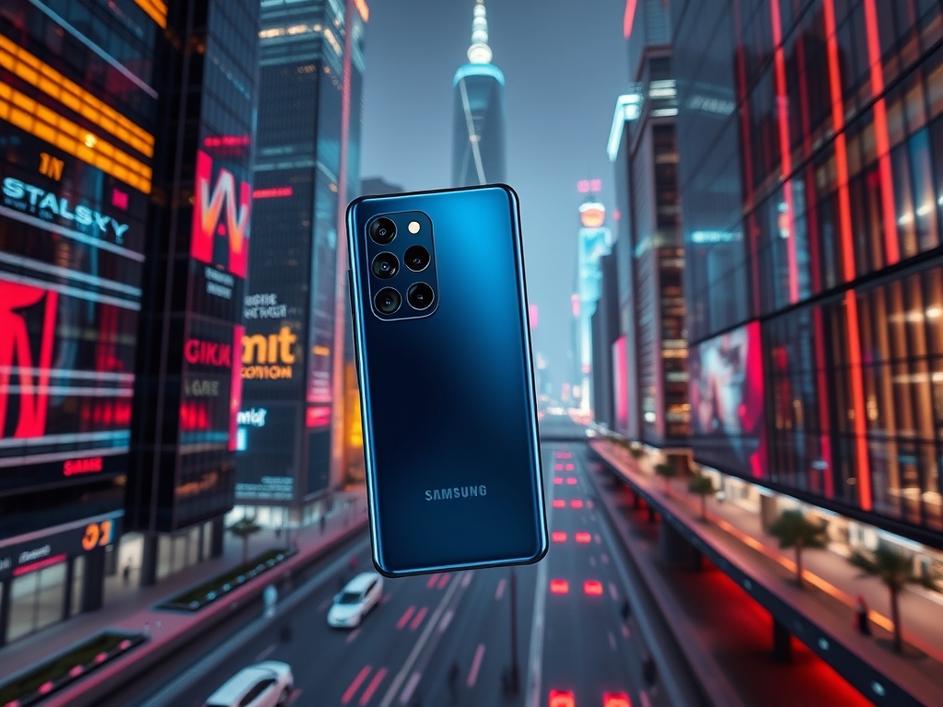
ToggleThe year is 2026, and like clockwork, Samsung has graced us with a new Galaxy S series. The S26 is here, following a familiar pattern of iterative improvements. While the phones look similar to the S25 models, the question is, are the changes enough to warrant an upgrade? Or is this just another round of incremental upgrades masked by marketing buzzwords?
One feature grabbing attention is the upgraded processor. Samsung has touted its custom-designed “Exynos 3000” chip, claiming a significant performance boost. And, in synthetic benchmarks, it does seem to deliver, outperforming last year’s Snapdragon equivalent. But real-world usage is what matters, and so far, the difference is subtle. Apps launch a tad faster, and demanding games run a bit smoother, but the average user might not notice the change in day-to-day tasks. The integrated NPU (Neural Processing Unit) got a bump, too. This is powering some interesting AI features, like real-time language translation during calls and improved photo processing.
Speaking of photos, the camera system is always a major talking point. The S26 boasts a new 250MP main sensor, and in well-lit conditions, the image quality is excellent. Details are crisp, and colors are vibrant. However, the low-light performance, while improved, isn’t a massive leap forward. The zoom capabilities are decent, reaching up to 200x digital zoom, but beyond 30x, the images become heavily processed and lose detail. The telephoto lens benefits from optical image stabilization. Samsung continues to lean heavily on AI-powered image processing, sometimes to a fault. Some photos look overly sharpened or have unnatural color saturation. While most people might enjoy the enhanced images, photography purists may find it off-putting.
The display on the S26 is, as expected, gorgeous. It’s a Dynamic AMOLED panel with a 120Hz refresh rate, offering smooth scrolling and vivid colors. The peak brightness has been increased, making it easier to see the screen in direct sunlight. Samsung also claims improved color accuracy, which should please content creators. The under-display fingerprint sensor is fast and reliable, and the inclusion of Gorilla Glass Armor provides excellent scratch resistance. All of that said, these incremental updates don’t offer much that is noticeably better than the S25 display.
Battery life is a mixed bag. The S26 has a slightly larger battery than its predecessor, but the more powerful processor and brighter display negate some of those gains. Under normal usage, it can last a full day, but heavy users will likely need to top up the battery in the evening. The phone supports 65W fast charging, which can charge the device from 0% to 100% in around 40 minutes. Wireless charging is also available, but it’s significantly slower. Samsung still doesn’t include a charging brick in the box, which is a cost-cutting measure that many customers dislike.
Samsung’s One UI continues to be refined and optimized. The S26 ships with the latest version of Android, with Samsung’s custom skin on top. One UI is feature-rich and customizable, but it can also feel cluttered and overwhelming at times. Samsung has promised five years of software updates and six years of security patches, which is a welcome improvement. The integration with Samsung’s ecosystem of devices is seamless, but it can also feel like a walled garden. Those heavily invested in the Samsung ecosystem will find the experience enjoyable, but others may find it restrictive. And, if you don’t like Bixby, well, it’s still there, lurking and waiting to be accidentally triggered.
The Galaxy S26 is undoubtedly a solid phone. It has a great display, a powerful processor, and a capable camera system. But it also feels like a minor upgrade over the S25. The improvements are incremental, and there aren’t any groundbreaking features that truly set it apart. If you’re coming from an older phone, like an S23 or earlier, the S26 might be worth considering. But if you already own an S25, there’s likely no compelling reason to upgrade. The S26 is a refinement of what came before, but it doesn’t push the boundaries of what a smartphone can be. Perhaps we’ll see a radical shift in the S27, but for now, it is a story of steady, but not spectacular, progress.


Comments are closed