

We are a digital agency helping businesses develop immersive, engaging, and user-focused web, app, and software solutions.
2310 Mira Vista Ave
Montrose, CA 91020

2500+ reviews based on client feedback
What's Included?
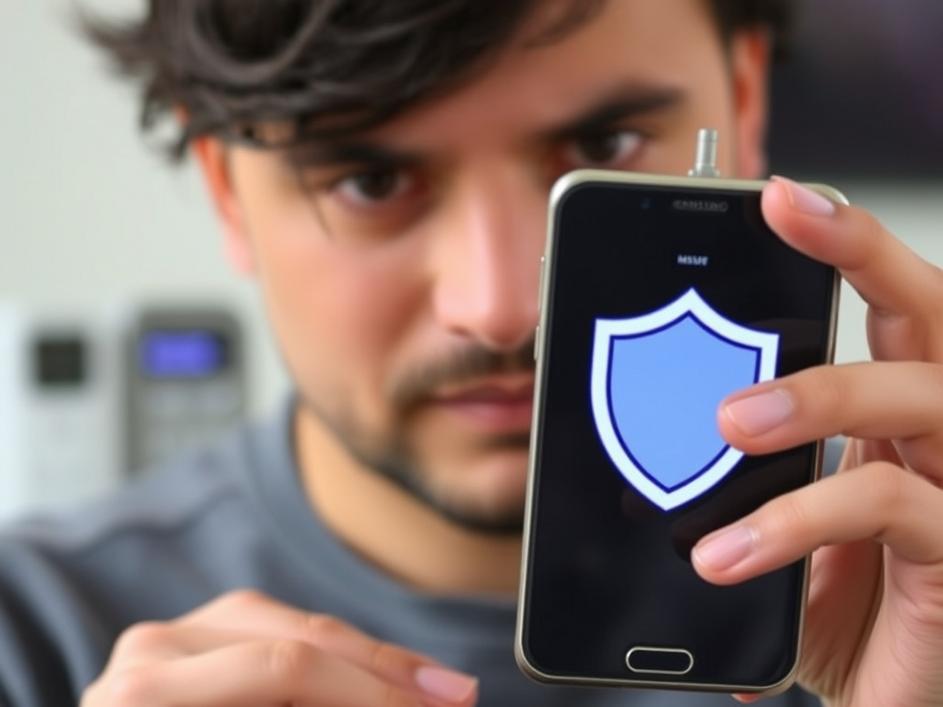
ToggleIt\’s a pretty scary moment when you find out something is seriously wrong with your phone. We all rely on these devices for so much, from chatting with friends to handling our money. So, when news breaks about a major security problem, it really gets your attention. Not too long ago, Samsung Galaxy users got a big wake-up call. There was a nasty spyware attack discovered, which basically meant someone could quietly snoop around on people\’s phones. This wasn\’t a minor glitch; it was a serious threat that could put a lot of personal stuff at risk. Luckily, Samsung moved fast. They quickly pushed out an emergency software update to fix the problem. This was a huge relief for many. It felt like a crisis averted, and people breathed easier knowing their devices were patched up and safer from this particular threat. It\’s a reminder of how quickly digital threats can pop up and how important quick action from companies is to protect us.
Just when everyone thought the danger had passed and their phones were secure again, another piece of news started making the rounds. And this one was a real gut punch for a lot of people. It turns out, that critical security fix—the one that patched up the spyware vulnerability—won\’t be coming to all Samsung Galaxy phones. This is the truly difficult part of the story. We\’re talking about millions of older Galaxy users who might be left behind, stuck with phones that are still vulnerable to the very same attack. Imagine having a phone that works perfectly fine for your everyday needs, only to find out it\’s suddenly considered unsafe from a serious, known threat. This isn\’t about getting cool new features or a brighter screen; it\’s about basic, fundamental protection. It shines a harsh light on how long phone makers actually keep their older models truly safe, and it\’s a big deal because a huge number of people are affected by this update gap.
So, what does it actually mean if your phone doesn\’t get the latest security updates, especially when there\’s a known spyware risk? Think of it like living in a house where one of your windows is always unlocked, and everyone knows about it. You might not see anyone trying to get in, but the risk is always there. For your phone, this means your most personal information—your text messages, your photos, details from your banking apps, your location, and more—could be exposed. Spyware, true to its name, is designed to sit quietly in the background, collecting all sorts of data and sending it off to whoever put it there. The impact on your privacy is massive. Our phones are basically digital extensions of ourselves, holding so much sensitive stuff about our lives. It\’s not just about losing data; it\’s about the constant worry and the feeling that your digital space isn\’t truly private anymore. Even if you\’re super careful with what you click or download, an unpatched hole in your phone\’s system can be a doorway for attackers, even without you doing anything wrong.
From a big company\’s perspective, keeping every single phone model updated forever is a huge challenge. There are a lot of moving parts: the cost of developing and testing software for older hardware, making sure it works, and dealing with older designs. Plus, let\’s be honest, phone makers want people to buy new phones. Stopping support for older models is one way they encourage that. But where do you draw the line? Is it fair to leave a large chunk of your loyal customers vulnerable, especially when their phones are still working just fine? There\’s a fine line between keeping up with the newest tech and making sure everyone\’s basic safety is covered. My personal take is that essential security patches should have a much longer lifespan than new features or operating system upgrades. When someone buys a phone, they should expect a reasonable period where their device remains secure. A year or two of security updates simply isn\’t enough in today\’s world, where people tend to hold onto their phones for much longer. It\’s a tough spot for phone companies, no doubt, but user safety should definitely be a priority.
If you\’re one of the millions using an older Samsung Galaxy phone, this news probably stings a bit. So, what are your choices? The most straightforward option, if you can afford it, is to upgrade to a newer phone that you know will receive ongoing security updates. But let\’s be real, buying a new phone isn\’t always practical for everyone. If upgrading isn\’t on the cards right now, you need to be extra, extra careful. Be super wary of any suspicious links you get in messages or emails. Only download apps from official stores like Google Play, and always check the reviews. Make sure you use strong, unique passwords for all your accounts. You might also think about installing a good, reputable mobile security app, though remember these aren\’t a perfect substitute for system-level patches. Also, try to limit the really sensitive stuff you keep on your phone. Can you store some things elsewhere or delete old, private messages? Some very tech-savvy folks look into custom software (called ROMs) for older devices, but this comes with its own risks and usually voids any warranty, so it\’s not for most people. For now, it\’s all about being careful and managing the risks until you can get a more secure device. It\’s a tough situation for users, and phone companies really need to think harder about long-term security support.
The news about Samsung\’s security update gap is a sharp reminder that the digital world is always changing, and so are its risks. While it was great that Samsung acted fast to address a serious spyware attack, the fact that millions of older devices might not get that essential fix is concerning. It highlights a bigger issue in the tech world: how do we balance the push for new gadgets with the ongoing need to keep older, still-working devices safe? For users, it means we have to be more aware and proactive about our digital security than ever before. If your phone is in the group that won\’t get this particular update, then your vigilance becomes even more crucial. Be smart about what you click, what you download, and how you protect your personal information. And for phone makers, this situation should spark a conversation about offering longer, more consistent security support. Our phones are too important to be left vulnerable. In the end, staying safe online is a team effort, but a lot of that responsibility still falls on us, the users. So, stay informed, stay vigilant, and protect your digital life.


Comments are closed