

We are a digital agency helping businesses develop immersive, engaging, and user-focused web, app, and software solutions.
2310 Mira Vista Ave
Montrose, CA 91020

2500+ reviews based on client feedback
What's Included?
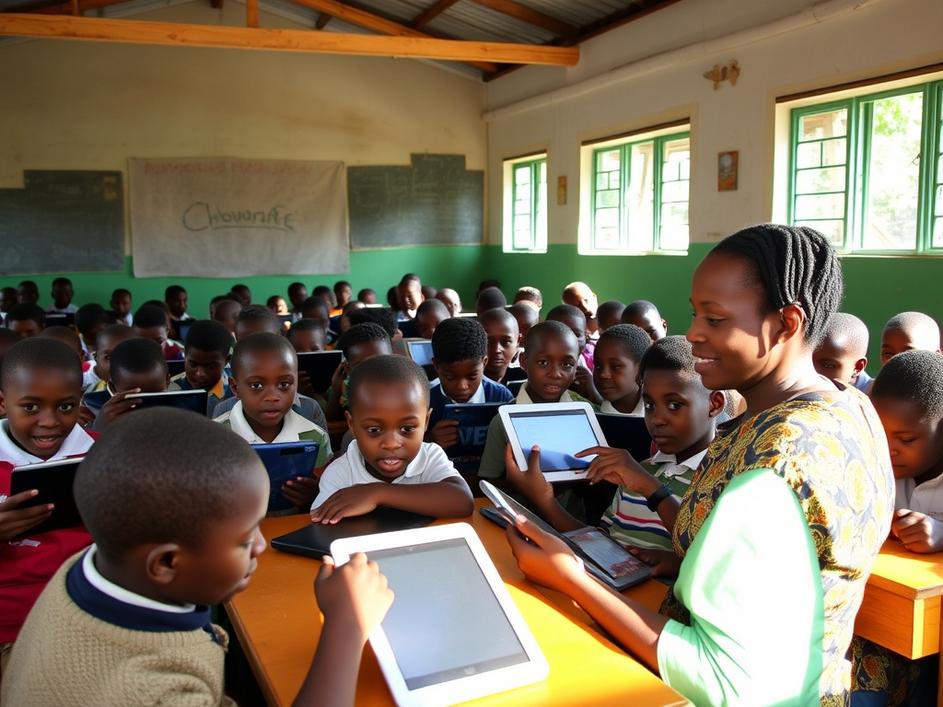
ToggleGhana is on a mission. That mission? To revamp its education system using the power of technology. The country recognizes that a modern, tech-driven approach is crucial for preparing its students for the future. Forget outdated textbooks and rote memorization; Ghana is aiming for interactive learning, personalized education, and a system that adapts to the ever-changing needs of the 21st-century world. It’s a bold vision, but one that’s grounded in the understanding that education is the key to unlocking a nation’s potential.
So, how is Ghana planning to make this happen? The answer lies in EdTech – educational technology. This isn’t just about replacing blackboards with smartboards. It’s about fundamentally changing how teaching and learning occur. Think interactive apps, online learning platforms, and digital resources that bring lessons to life. EdTech offers the chance to reach students in remote areas, personalize learning to individual needs, and make education more engaging and relevant. It’s a powerful tool, but like any tool, it needs to be used effectively.
EdTech is not just about fancy gadgets; it needs a foundation in smart policy and practical implementation. It’s about providing teachers with the training and support they need to use these new technologies effectively. It’s also about ensuring that all students, regardless of their background, have access to the tools and resources they need to succeed. This requires careful planning, investment in infrastructure, and a commitment to equity. Without these elements, EdTech risks becoming just another superficial layer on top of an existing system.
The recent ADEA (Association for the Development of Education in Africa) Triennale in Accra served as a crucial platform to discuss these issues and share best practices. This event brought together educators, policymakers, and technology experts from across Africa to explore how EdTech can be used to build more resilient education systems. The focus was on moving from policy to practice – taking the big ideas and turning them into concrete actions that improve learning outcomes for students. Accra became a melting pot of ideas, showcasing the potential of African innovation in the field of education.
One of the key themes was building resilience into education systems. This means creating systems that can withstand shocks, whether they’re pandemics, economic downturns, or other unexpected challenges. EdTech plays a vital role in this. Online learning platforms can keep students connected and learning even when schools are closed. Digital resources can be updated quickly to reflect new information and changing needs. By embracing EdTech, Ghana can create an education system that’s more adaptable, more responsive, and more able to weather any storm. For example, during the COVID-19 pandemic, countries with established EdTech infrastructure were able to transition to remote learning more smoothly than those without. Ghana can learn from these experiences and build a system that’s prepared for future disruptions.
Of course, the path to EdTech success is not without its challenges. One major hurdle is the digital divide. Many students in Ghana, particularly those in rural areas, lack access to computers, internet, and other essential technologies. Overcoming this divide requires targeted investments in infrastructure and programs to ensure that all students have equal opportunities. Another challenge is teacher training. Teachers need to be equipped with the skills and knowledge to use EdTech effectively in the classroom. This requires ongoing professional development and support. However, these challenges also present opportunities. By addressing the digital divide and investing in teacher training, Ghana can create a more equitable and effective education system for all.
Ghana’s commitment to EdTech is a promising sign for the future of education in the country. By embracing technology, investing in infrastructure, and empowering teachers, Ghana is laying the foundation for a more resilient, equitable, and effective education system. The ADEA Triennale in Accra provided a valuable opportunity to share ideas, learn from best practices, and accelerate progress. As Ghana continues on its EdTech journey, it’s important to remember that technology is just a tool. The real key to success lies in using that tool strategically, with a clear focus on improving learning outcomes for all students. Ghana is not simply adopting technology for the sake of it; it is strategically integrating it to solve specific challenges and achieve its educational goals.
From my perspective, the most crucial aspect of Ghana’s EdTech endeavor is the emphasis on a holistic approach. It’s not merely about providing laptops or tablets; it’s about fundamentally rethinking the educational process. The focus on teacher training is paramount, as educators need to be comfortable and confident in using these tools effectively. Furthermore, the commitment to addressing the digital divide is commendable. Ensuring equitable access to technology is essential to prevent exacerbating existing inequalities. It’s also important to consider the cultural context when implementing EdTech solutions. What works in one country may not necessarily work in another. Ghana needs to adapt EdTech to its own unique needs and circumstances. This requires a deep understanding of the local context and a willingness to experiment and iterate. By taking a holistic and context-aware approach, Ghana can maximize the benefits of EdTech and create a truly transformative education system.
Ghana’s journey towards building resilient education systems through EdTech is a story worth watching. It’s a story of ambition, innovation, and a commitment to creating a brighter future for its students. While challenges remain, the country’s proactive approach and willingness to learn from others offer valuable lessons for other nations looking to transform their own education systems. Ghana is not just improving its own education system; it is potentially creating a model that other African countries can follow. By prioritizing equity, investing in teacher training, and adapting EdTech to its own unique context, Ghana is demonstrating how technology can be used to unlock the potential of a nation.


Comments are closed