

We are a digital agency helping businesses develop immersive, engaging, and user-focused web, app, and software solutions.
2310 Mira Vista Ave
Montrose, CA 91020

2500+ reviews based on client feedback
What's Included?
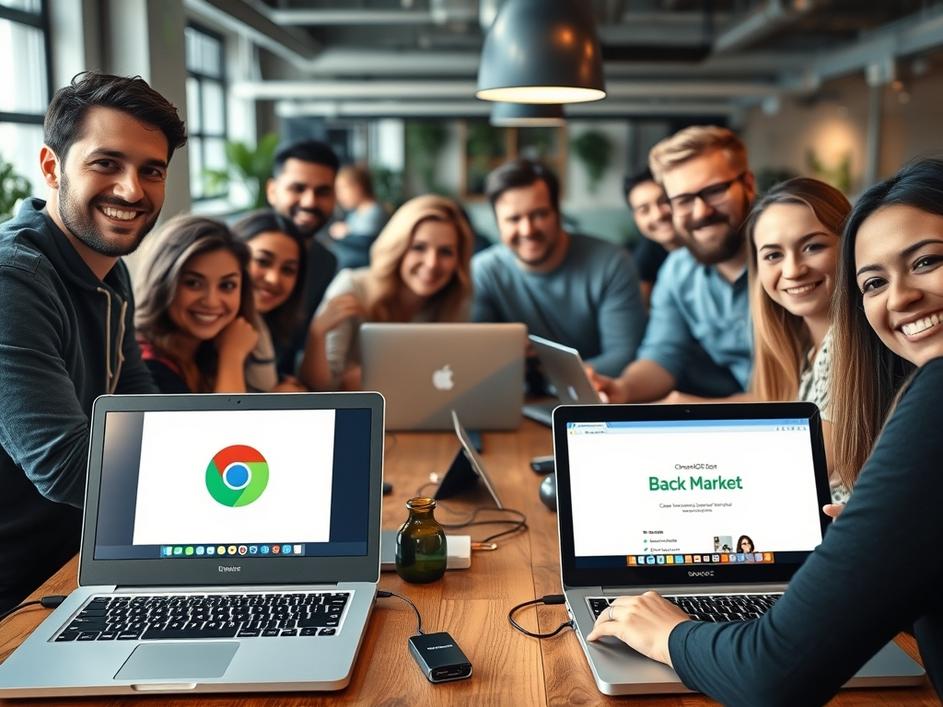
ToggleWe’re drowning in e-waste. The pile of discarded electronics grows larger every year, filled with valuable materials and harmful toxins. It’s a problem that demands creative solutions. That’s why the recent announcement from Back Market and Google is so interesting. They’re teaming up to launch a pilot program centered around ChromeOS Flex and USB drives, aiming to extend the lifespan of older laptops and keep them out of landfills. This isn’t just about recycling; it’s about reuse, which is always the better option.
The key to this initiative is ChromeOS Flex, Google’s operating system designed to run on older PCs and Macs. It’s a lightweight, cloud-based OS that can give a sluggish computer a surprising performance boost. Instead of buying a brand-new laptop, users can simply install ChromeOS Flex and experience a faster, more secure computing experience on their existing hardware. And this pilot program makes it even easier. By distributing ChromeOS Flex on USB drives through Back Market, they’re lowering the barrier to entry for anyone who wants to participate. The process becomes far more accessible than downloading the OS and creating a bootable drive yourself.
This partnership goes beyond just the technical aspects. It addresses a real need: the pressure to constantly upgrade to the latest technology. Marketing and planned obsolescence often push consumers to replace perfectly functional devices with newer models. This pilot program offers a counter-narrative. It suggests that older devices still have value and can continue to be useful with the right software. Furthermore, it brings sustainability into the tech conversation more directly. It’s easy to talk about reducing carbon footprints, but initiatives like this offer tangible ways for individuals to make a difference. By extending the life of their laptops, users can directly contribute to reducing e-waste and conserving resources.
Back Market’s involvement is particularly noteworthy. As a leading marketplace for refurbished electronics, they’ve already proven that there’s a strong demand for high-quality, pre-owned devices. By partnering with Google on this project, they’re further solidifying their commitment to sustainability and responsible consumption. Back Market is not just selling refurbished products; they’re changing the way people think about technology ownership. They are demonstrating that buying refurbished can be a smart, affordable, and environmentally conscious choice. This USB pilot extends that brand philosophy, enabling even more people to participate in the circular economy without needing to buy something first.
This pilot program isn’t a complete solution to the e-waste crisis, but it’s a significant step in the right direction. It shows how collaboration between tech companies and marketplaces can lead to innovative solutions that benefit both consumers and the environment. We need more initiatives like this – programs that focus on extending the lifespan of existing devices, promoting responsible consumption, and making sustainable choices more accessible to everyone. It will be interesting to see the results of this pilot. Hopefully, its success will encourage other companies to explore similar approaches and contribute to a more sustainable future for the tech industry. This kind of thinking, combined with evolving hardware design for easier repairs and upgrades, might really start to move the needle on tech waste. Perhaps we’ll see a future where upgrading a computer means simply swapping out a component or two, instead of tossing the whole thing.
While this initiative holds great promise, there are potential challenges to consider. One is ensuring a smooth and user-friendly installation process for ChromeOS Flex. While the USB drive simplifies things, some users may still encounter technical difficulties. Providing adequate support and clear instructions will be crucial for success. Another challenge is maintaining software compatibility over time. As web technologies evolve, it’s important that ChromeOS Flex remains up-to-date and able to run the latest applications. Regular updates and ongoing support will be essential for ensuring that older laptops remain useful and secure. Beyond these challenges lie significant opportunities. If this pilot program proves successful, it could be expanded to include other devices and operating systems. Imagine a world where a wide range of refurbished electronics are easily upgraded and kept in use for many years, drastically reducing e-waste and promoting a more circular economy.
Ultimately, the Back Market and Google ChromeOS Flex USB pilot program represents a win-win scenario. Consumers benefit from a faster, more secure computing experience on their existing laptops. The environment benefits from reduced e-waste and conserved resources. And Back Market and Google benefit from promoting their commitment to sustainability and responsible consumption. This initiative demonstrates that it is possible to create innovative solutions that address both economic and environmental concerns. It is a hopeful sign that the tech industry is beginning to take sustainability seriously and that more collaborative efforts like this will emerge in the future.



Comments are closed