

We are a digital agency helping businesses develop immersive, engaging, and user-focused web, app, and software solutions.
2310 Mira Vista Ave
Montrose, CA 91020

2500+ reviews based on client feedback
What's Included?
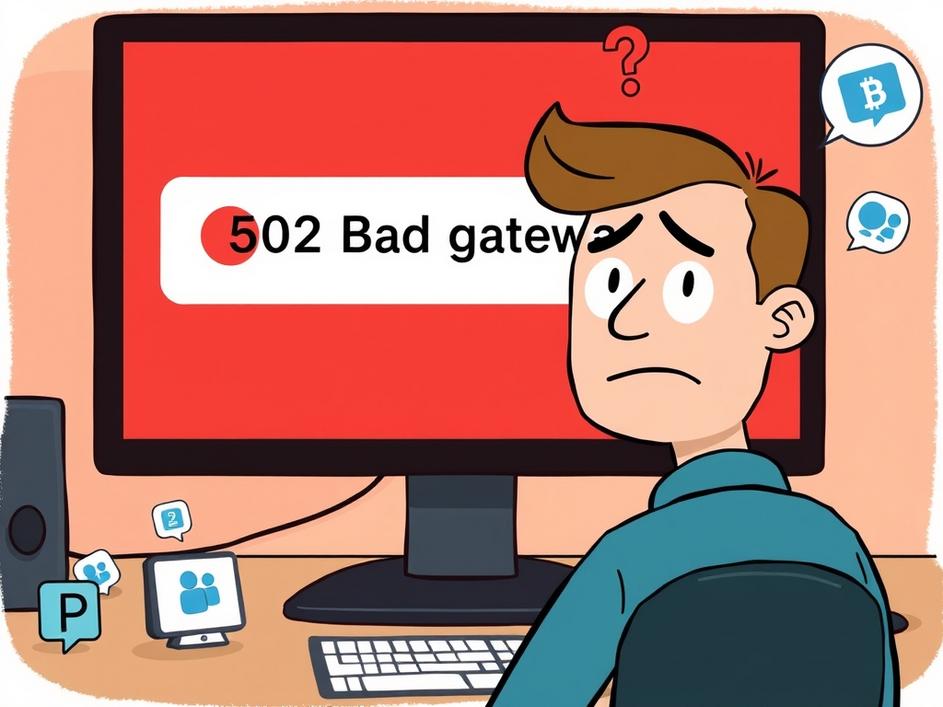
ToggleOn November 26th, a tremor ran through the virtual meeting world. Google Meet, a cornerstone for countless businesses and classrooms, sputtered and stalled. Users across India, and potentially elsewhere, were greeted with the dreaded “502 Bad Gateway” error. Panic ensued, deadlines loomed, and the digital landscape felt a little less connected. This wasn’t just a minor hiccup; it was a stark reminder of our reliance on technology and the potential for disruption, even from giants like Google.
So, what exactly does “502 Bad Gateway” mean? In simple terms, it signifies that one server on the internet is struggling to talk to another. Imagine a messenger trying to deliver a package, but the recipient’s door is locked. The messenger (your computer) can’t reach the destination (Google Meet’s server) because of a problem on the other end. This problem can stem from a variety of issues, like a server being overloaded, experiencing downtime for maintenance, or suffering from network connectivity problems. It’s rarely an issue on the user’s side, making it all the more frustrating. In essence, it’s a digital traffic jam preventing you from reaching your online destination. The error indicates that the server acting as a gateway or proxy received an invalid response from another (upstream) server.
The outage undoubtedly caused headaches for many. Scheduled meetings were disrupted, important presentations were delayed, and collaborative projects ground to a halt. For businesses, this translates to lost productivity and potential financial repercussions. For educators, it meant scrambling to find alternative ways to connect with students and maintain the learning schedule. And for individual users, it simply meant frustration and wasted time. While Google quickly addressed the issue and restored service, the incident serves as a valuable lesson about the importance of having contingency plans in place. Relying solely on one platform, no matter how reliable it seems, can be risky. Exploring backup options and communication channels can mitigate the impact of future outages.
Following the outage, Google provided updates on its status page, acknowledging the issue and assuring users that they were working to resolve it. While the company didn’t immediately disclose the root cause of the problem, their transparency in communicating the situation was commendable. In today’s digital age, users expect timely and accurate information during service disruptions. A clear and concise explanation, even if it lacks technical details, can go a long way in alleviating frustration and building trust. It’s a crucial aspect of maintaining user confidence, showing that the company is aware of the problem and actively working towards a solution. Moving forward, a detailed post-mortem analysis from Google could help prevent similar incidents in the future.
This Google Meet outage is more than just an isolated incident; it highlights the fragility of our increasingly interconnected world. We’ve become so reliant on cloud-based services and digital platforms that even a brief disruption can have significant consequences. It underscores the need for both individuals and organizations to adopt a more resilient approach to technology. This means diversifying our reliance on single platforms, investing in robust infrastructure, and developing comprehensive disaster recovery plans. It’s also a reminder that technology, while incredibly powerful, is not infallible. Expecting occasional hiccups and preparing for them is crucial for navigating the digital age effectively. Furthermore, it puts pressure on companies to invest in extremely resilient platforms, redundancy, and capacity to handle load spikes.
The Google Meet outage should serve as a wake-up call. It’s a reminder that even the most sophisticated technology can fail, and that we need to be prepared for such eventualities. By diversifying our tools, investing in robust infrastructure, and fostering a culture of preparedness, we can mitigate the impact of future disruptions and build a more resilient digital future. It also prompts a conversation about the concentration of power in a few tech giants and the potential risks associated with that concentration. Do we need more competition and decentralization in the cloud services market? The answer, for the sake of stability and innovation, may well be yes.



Comments are closed