

We are a digital agency helping businesses develop immersive, engaging, and user-focused web, app, and software solutions.
2310 Mira Vista Ave
Montrose, CA 91020

2500+ reviews based on client feedback
What's Included?
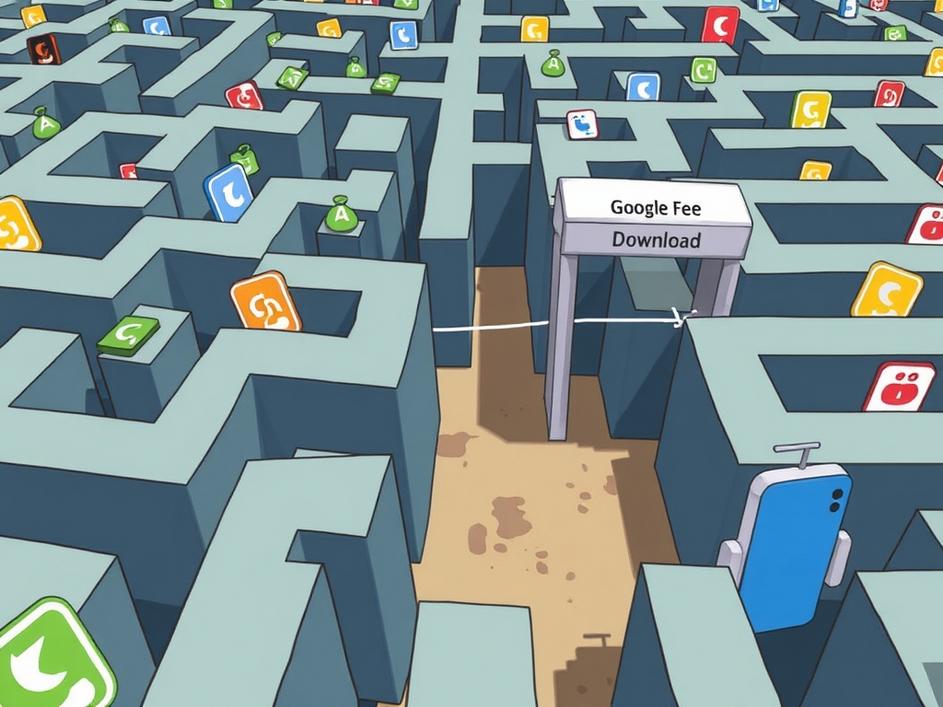
ToggleFor years, developers have navigated the app store ecosystems of Google and Apple, often feeling like they’re playing by someone else’s rules. Now, Google is changing the game again, introducing a fee for developers who want to direct users from their app’s Google Play Store page to alternative payment systems or app stores. This move, prompted by a court order to open up Android to third-party app stores, has sparked debate about fairness, innovation, and the future of app distribution.
So, what’s the deal? If a user discovers an app on the Google Play Store and then clicks a link to download it from somewhere else, the developer will pay Google a fee ranging from $2 to $4 per install. The exact amount depends on the region and other factors. This fee applies when developers choose to use alternative billing systems outside of Google Play Billing. In essence, Google is charging for the initial discovery and referral, even if the actual transaction happens elsewhere. This change is meant to comply with a court order that demands Google allow other app stores to operate freely on the Android platform, signaling a major shift in Google’s approach.
Unsurprisingly, this new fee structure has received mixed reactions from developers. Some argue that it’s a reasonable price to pay for the visibility and infrastructure that Google provides. After all, Google Play Store has millions of users, and being featured there can significantly boost an app’s downloads. Others, however, see it as an unfair tax on innovation, especially for smaller developers who are already struggling to compete with larger companies. They worry that the fee will eat into their profits and make it harder to offer competitive prices to consumers. Furthermore, some developers feel that it penalizes them for wanting to offer users more choice in payment options. This point of view suggests Google is using the compliance as an excuse to continue controlling app distribution and monetization on Android.
This decision could have significant implications for the broader app ecosystem. If developers are discouraged from using alternative app stores or payment systems, it could stifle competition and limit consumer choice. Smaller app stores may struggle to attract users if developers are hesitant to direct traffic their way due to the Google fee. On the other hand, if the fee is manageable and developers find that they can still profit from using alternative systems, it could lead to a more diverse and competitive landscape. The key will be whether the benefits of using alternative systems outweigh the cost of the Google fee. This could also affect the types of apps and services that are viable on Android, potentially favoring those that can absorb the cost or those that are heavily reliant on Google’s ecosystem anyway.
From Google’s perspective, this fee might be seen as a necessary compromise. They’re complying with a court order to open up Android, but they’re also trying to maintain some control over their platform and recoup some of the investment they’ve made in building and maintaining the Google Play Store. They might argue that the fee is justified because they’re providing the initial discovery service, and developers are still free to use alternative systems if they choose. However, critics argue that Google is trying to have it both ways: complying with the letter of the law while still maintaining a dominant position in the app ecosystem. It is also possible that Google sees this as a way to nudge developers to stay within its ecosystem, where it has more control over transactions and user data.
Ultimately, the success or failure of this new fee structure will depend on how developers and consumers react. If developers find that the fee is too high and it stifles innovation, they may push back or look for alternative ways to distribute their apps. If consumers are willing to pay a bit more for apps downloaded from alternative sources, then the fee may be less of a barrier. It will be interesting to see how the market evolves in the coming months and years. Will this lead to a more open and competitive app ecosystem, or will it simply entrench Google’s dominance? One thing is certain: the app store landscape is constantly changing, and developers need to be prepared to adapt to survive.
The long-term consequences of Google’s new approach are still unclear, but one thing is certain: the dynamics of app distribution are evolving. This shift raises crucial questions about the balance between platform control, developer freedom, and consumer choice. As developers navigate these changes, it will be interesting to observe whether it fosters more diversity and innovation, or whether it reinforces the established power structures in the app ecosystem. The future of app distribution will depend on how these key stakeholders adapt and interact in this evolving landscape. The decisions made today will shape the app experiences of tomorrow.

Comments are closed