

We are a digital agency helping businesses develop immersive, engaging, and user-focused web, app, and software solutions.
2310 Mira Vista Ave
Montrose, CA 91020

2500+ reviews based on client feedback
What's Included?
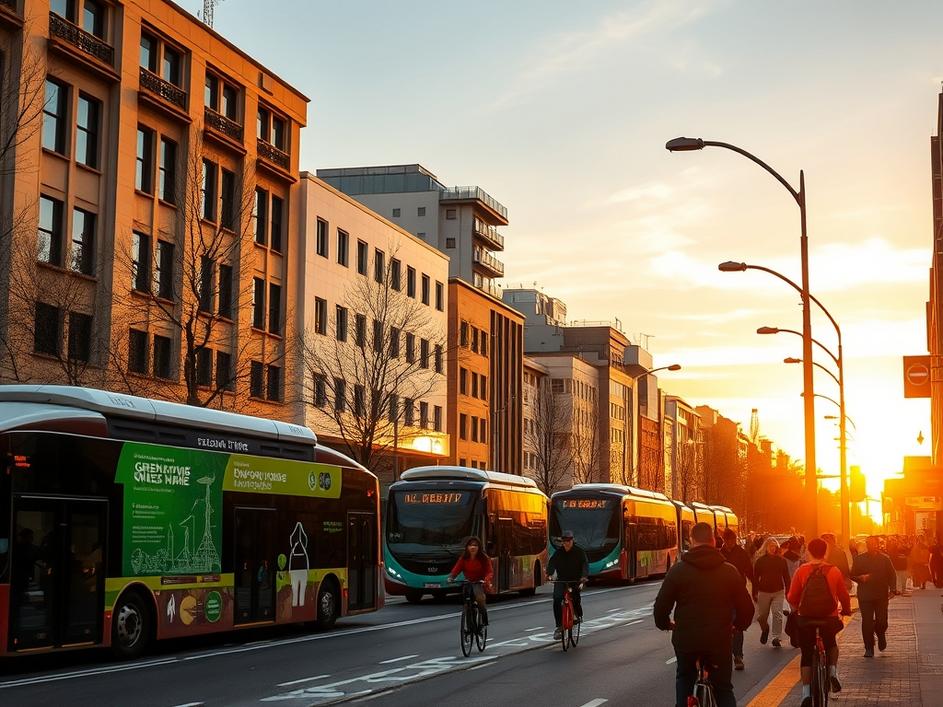
ToggleCity officials in a big urban center rolled out a plan they say will reshape how people move and live. The plan calls for a steady switch from diesel buses to electric ones, more protected bike lanes, and smaller changes like making community spaces more walkable. It looks big on paper, but it hits on the parts of life most people notice: the price of a bus ride, the time it takes to get to work, the noise of traffic, and the air we breathe. The move arrives at a moment when transport costs are up and street safety is top of mind for many families. It’s easy to be skeptical, yet there is a simple thread in the plan: get more places reachable without a car. If that works, daily life could feel less grumpy and more predictable.
City leaders say the changes could cut commute times, lower pollution, and make neighborhoods friendlier to walk in. Electric buses reduce fumes and noise; bike lanes give people safe routes for school runs and errands. The city also plans to offer subsidies for home efficiency upgrades, so families can save on heating and cooling. The result could be more hours in a week that feel calm, not rushed. The plan also aims to attract small firms that rely on workers who live near transit. When more people use buses and bikes, the streets feel more human and less congested. But promises matter only if the money is there and the schedule is realistic. The plan folds in steps, not a sudden swap. If the city keeps promises, people will notice. If they miss deadlines, trust erodes quickly.
Plans like this usually face three big gaps: money, timeline, and fairness. The bill is big, and the city must borrow or raise taxes to pay for it. That means hard choices for libraries, parks, or schools if money runs short. The five-year tempo sounds fast, but buses and wires travel slow. Delays in shipping parts, contractor disputes, or bad weather can push dates back. Then there is who gets helped first. Low income neighborhoods often bear the brunt of disruption. If upgrades hit these areas last, the plan widens gaps instead of closing them. We also need clear rules on who decides what gets funded and when. Without clear checks, the plan can look like a promise more than a policy. A plan with no pain points is not honest; a plan that hides the pain is not fair.
For people who ride the bus, the change could feel like a breath of fresh air, once electric vehicles prove reliable. For parents, safer bike paths near schools could change the daily routine. Small businesses near transit hubs might see more customers. But a real shift takes time. Some riders will face longer waits as routes switch, or fare prices may move. Homeowners could see lower energy bills if efficiency upgrades go ahead, yet upfront costs still hang over many. Commuters that rely on car trips will need time to adjust, and some will still drive. The plan should be kind to those who can’t switch quickly. That means keeping some older buses running, offering affordable financing, and communicating changes early. The human side matters most—people want a plan that respects daily lives, not one that sounds great on paper.
Leadership will be tested here. The city needs transparent budgeting, clear milestones, and honest updates. They should publish real numbers on emissions, costs, and ride times. Open meetings and simple reports help residents feel part of the process. The plan should build in review points so officials can course correct. Listening to residents, small business owners, and transit workers matters. The best plans borrow ideas from places that did this well and avoid the traps others fell into. A good sign would be pilots in a few neighborhoods first, not a full roll-out that leaves people guessing. If the city acts with accountability, trust grows. If it hides data or moves goals, doubt spreads. Small steps with honest reporting beat big talk with vague outcomes.
In the end, this plan is a test of city nerves more than a math equation. It asks people to trade familiar routes for cleaner air and shorter waits, and it asks leaders to pay attention to those who have the least. My take is simple: good plans move with people, not around them. If the city keeps its promises, the payoff is not just fewer cars, but more time, cleaner lungs, and neighborhoods that feel connected. If the plan falters, the damage is more than a few missed deadlines. It’s trust lost and choices delayed. So I’ll watch the rollout with a mix of patience and honesty. Let them start small, listen hard, and share what they learn. A city that can learn on the go is a city that can keep moving forward. Hope is fine, but results are what will stay.

Comments are closed