

We are a digital agency helping businesses develop immersive, engaging, and user-focused web, app, and software solutions.
2310 Mira Vista Ave
Montrose, CA 91020

2500+ reviews based on client feedback
What's Included?
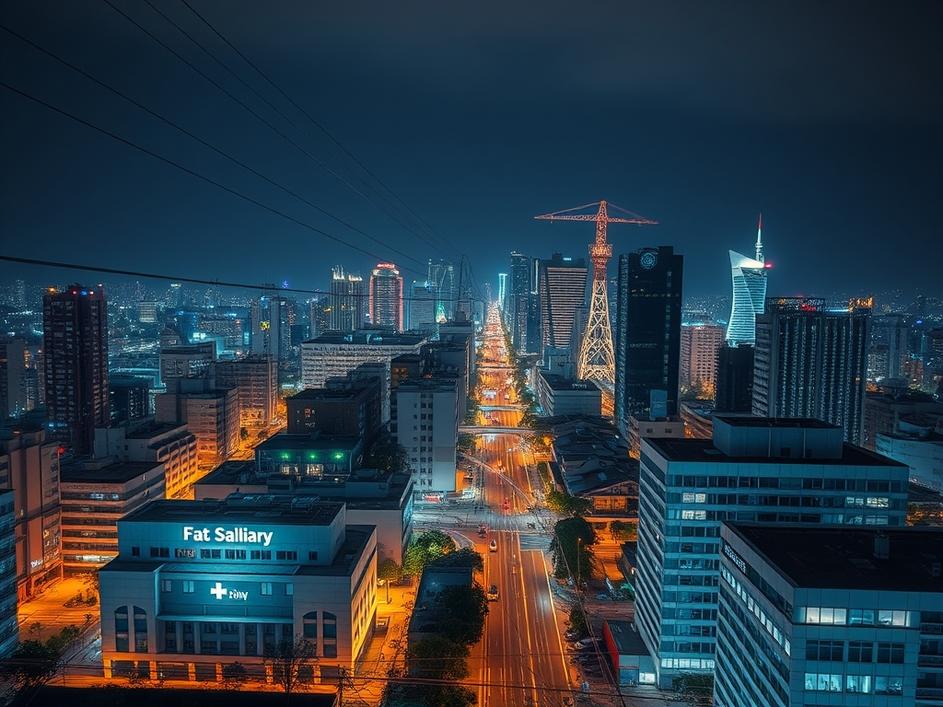
ToggleWe all rely on electricity. It powers our homes, businesses, and, most importantly, essential services like hospitals and water treatment plants. But what happens when the power goes out? For most of us, it’s an inconvenience. But for critical infrastructure, it can be a matter of life and death. That’s why news out of Gurgaon about dual-source power supplies is so important. It’s a move that aims to protect the city’s most vital services from the disruptions caused by power outages.
The concept is simple: instead of relying on a single power source, critical facilities will have access to two independent power feeds. If one feeder fails due to maintenance, accidents, or overload, the other seamlessly kicks in. This switchover happens automatically, minimizing downtime and ensuring a continuous power supply. Think of it like having a backup generator, but one that’s integrated directly into the power grid. It’s a much more elegant and reliable solution than relying on generators alone.
While hospitals and water treatment facilities are the obvious beneficiaries, the impact extends far beyond. Consider data centers, which are the backbone of our digital world. A power outage could cripple online services, affecting everything from banking to communication. Then there are transportation hubs like airports and train stations. Power disruptions can lead to significant delays and safety concerns. By prioritizing dual-feeder systems for these essential services, Gurgaon is taking a proactive step to safeguard its citizens and economy.
The benefits of this initiative go beyond simply preventing outages. With a more stable power supply, institutions can operate more efficiently and reduce the need for costly backup systems. This translates to lower operating costs, which can be passed on to consumers. Moreover, a reliable power grid attracts investment and promotes economic growth. Businesses are more likely to set up shop in areas where they can be confident in the availability of essential resources like electricity. Gurgaon’s move sends a positive signal to investors, demonstrating its commitment to infrastructure development and stability.
Implementing a dual-feeder system isn’t without its challenges. It requires significant investment in infrastructure upgrades, including laying new power lines and installing advanced switching equipment. There are also logistical hurdles to overcome, such as coordinating with various stakeholders and obtaining necessary permits. Furthermore, ongoing maintenance and monitoring are crucial to ensure the system’s continued reliability. DHBVN (Dakshin Haryana Bijli Vitran Nigam) will need a clear and well-funded strategy for successfully implementing this initiative. A key consideration will be to ensure redundancy is maintained, without both feeders relying on substations in close proximity to each other.
Despite the challenges, the decision to implement dual-feeder power supplies for critical infrastructure in Gurgaon is a commendable one. It reflects a forward-thinking approach to infrastructure management and a commitment to ensuring the well-being of its citizens. As climate change brings more frequent and severe weather events, the need for resilient infrastructure becomes even more critical. Dual-feeder systems are just one piece of the puzzle, but they represent an important step towards building a more robust and reliable power grid. Other cities should take note and explore similar solutions to protect their essential services.
While this is a great start, it raises the question of whether this concept should be expanded. Should residential areas, particularly those with a high concentration of elderly or medically vulnerable individuals, also benefit from dual-feeder systems? What about small businesses that rely heavily on electricity for their operations? These are questions that policymakers and utility companies will need to consider as they strive to build a more resilient and equitable power grid for the future. Public consultations, pilot programs, and careful evaluation of costs and benefits will be essential to inform these decisions.
Gurgaon’s decision to prioritize dual-feeder power supplies for critical infrastructure is more than just a local news story. It’s a spark of progress that can potentially ignite similar initiatives in other cities and regions. By investing in resilient infrastructure, we can create communities that are better prepared to withstand the challenges of the 21st century and ensure a brighter future for all.


Comments are closed