

We are a digital agency helping businesses develop immersive, engaging, and user-focused web, app, and software solutions.
2310 Mira Vista Ave
Montrose, CA 91020

2500+ reviews based on client feedback
What's Included?
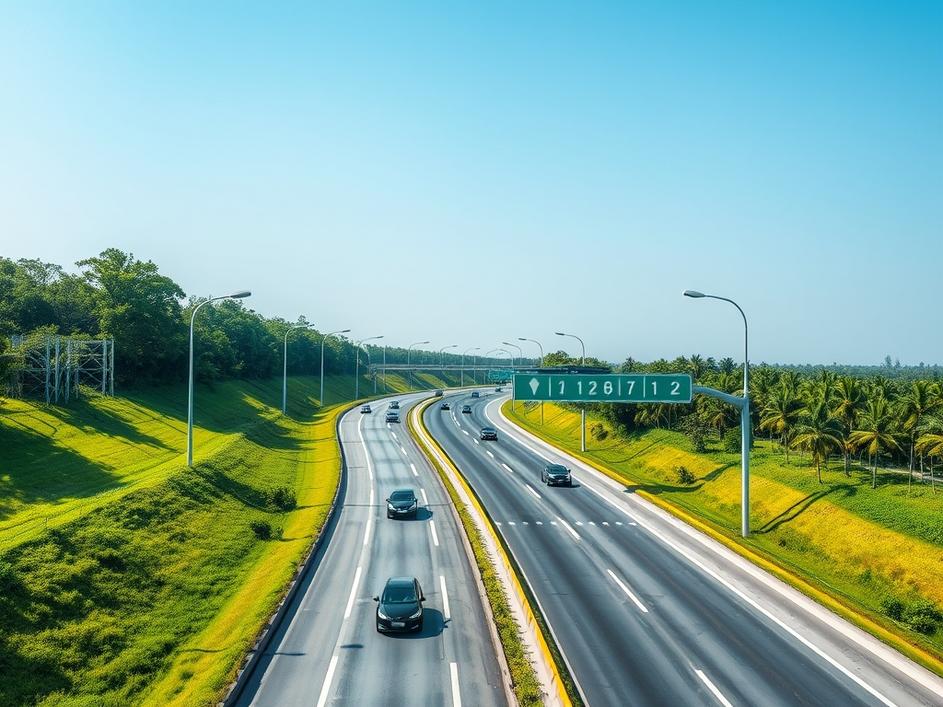
ToggleImagine a world where traffic lights anticipate your arrival, adjusting their timing to keep you moving smoothly. No more phantom red lights on empty roads, no more frustrating gridlock when the next light is green. That future is becoming a reality along the Highway 68 corridor in California, where Caltrans has rolled out a new AI-controlled traffic light system. Early reactions from drivers suggest that this technology might actually live up to the hype, making commutes less stressful and more efficient.
So, how does this AI magic work? It’s not quite Skynet taking over the roads. The system uses a network of sensors and cameras to monitor traffic flow in real-time. This data is fed into an AI algorithm that constantly adjusts the timing of traffic lights to optimize traffic flow. The system adapts to changing conditions, learning from past patterns to predict future congestion. The goal is to minimize wait times and maximize the number of vehicles that can pass through the corridor during peak hours. It’s basically a brain for the highway, constantly thinking about how to make things run smoother.
Initial reactions from drivers seem positive. While some are skeptical about trusting AI with something as crucial as traffic flow, many report noticeable improvements in their commute times. People are talking about fewer stops, less idling, and an overall smoother driving experience. It’s still early days, and there will undoubtedly be some kinks to work out, but the initial signs are encouraging. Imagine getting to work a little earlier, or having more time to spend with family in the evenings – all thanks to smarter traffic lights. That’s the promise, at least.
This isn’t just about shaving a few minutes off your drive. AI-controlled traffic lights have the potential to significantly reduce fuel consumption and emissions. By minimizing stop-and-go traffic, vehicles operate more efficiently, burning less gas and producing fewer pollutants. This can have a positive impact on air quality and contribute to a more sustainable transportation system. Also, reduced congestion can lead to fewer accidents, making the roads safer for everyone. The benefits extend far beyond just individual convenience.
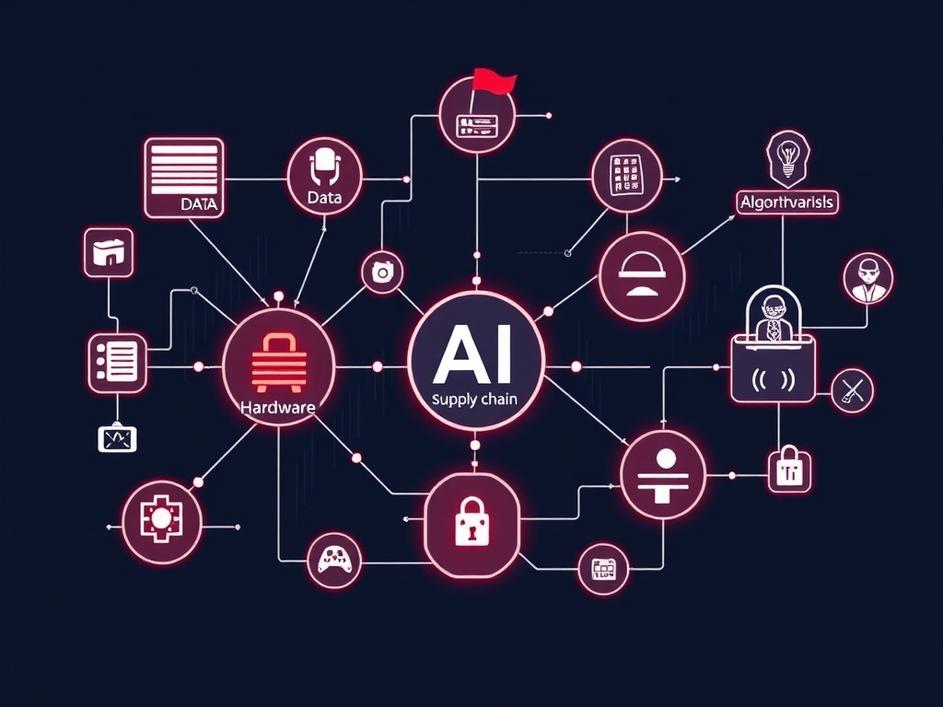
Of course, no system is perfect. There are concerns about data privacy, security vulnerabilities, and the potential for bias in the AI algorithms. It’s crucial that Caltrans addresses these issues transparently and ensures that the system is fair and equitable for all users. What happens when the AI makes a mistake? What safeguards are in place to prevent malfunctions or hacking? These are important questions that need to be answered. And there’s the issue of cost. Implementing and maintaining these systems requires significant investment. Is it worth the price tag? That’s a question taxpayers will be asking.
The rollout of AI-controlled traffic lights on Highway 68 is just one small step towards a future where transportation is smarter, more efficient, and more sustainable. As AI technology continues to evolve, we can expect to see even more sophisticated systems emerge, from self-driving cars to intelligent traffic management platforms. The possibilities are endless. But it’s important to proceed cautiously and ensure that these technologies are developed and deployed responsibly, with careful consideration for their potential impacts on society and the environment. We need to think about the ethical implications, the potential for unintended consequences, and the need for human oversight. The future of transportation is coming, but it’s up to us to shape it in a way that benefits everyone.
Probably not entirely. The AI needs to be trained and managed by humans. Traffic engineers will likely shift their focus from manually adjusting traffic light timings to analyzing data, optimizing the AI algorithms, and troubleshooting any issues that arise. They’ll become more like AI traffic managers, overseeing the system and making sure it’s running smoothly. The human element will still be crucial, even in a world of smart roads. Also, AI needs human input on incidents that are outside of the usual parameters. A burst water main, an accident, an unusual traffic pattern. The AI needs constant feedback to keep it optimized.
If the Highway 68 pilot program proves successful, it could serve as a model for other cities and states across the country. Imagine AI-controlled traffic lights becoming the norm, reducing congestion, improving air quality, and making commutes less stressful for millions of Americans. It’s a vision worth striving for. But it will require collaboration, investment, and a willingness to embrace new technologies. The road ahead may be long, but the potential rewards are significant.
The AI traffic lights on Highway 68 are more than just a technological novelty; they represent a fundamental shift in how we approach transportation. They offer the promise of smoother commutes, reduced emissions, and safer roads. While challenges remain, the potential benefits are undeniable. As we move towards a future of smart cities and connected vehicles, AI-controlled traffic lights may well become an essential part of the transportation landscape. The future looks brighter, and hopefully, the ride will be smoother too.


Comments are closed