

We are a digital agency helping businesses develop immersive, engaging, and user-focused web, app, and software solutions.
2310 Mira Vista Ave
Montrose, CA 91020

2500+ reviews based on client feedback
What's Included?
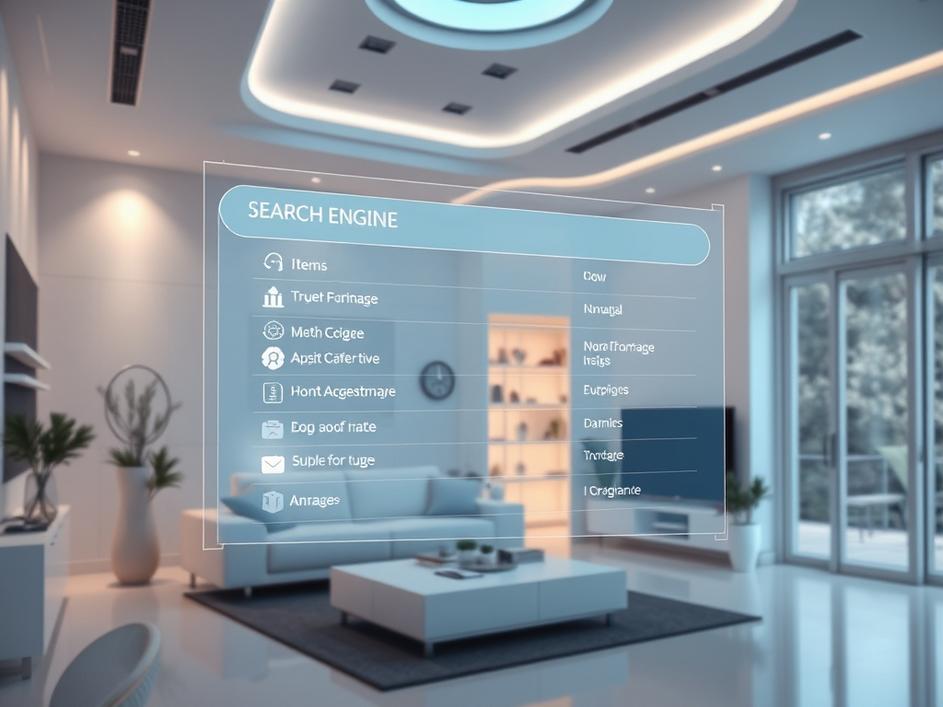
ToggleWe’ve all been there: frantically searching for our keys, wallet, or that one important document right when we need it most. What if you could just… ask your house where it is? That’s the slightly futuristic, yet surprisingly practical, idea that one tech enthusiast brought to life. They built a search engine, not for the internet, but for their own home. The project highlights how accessible AI has become and offers a glimpse into how we might interact with our living spaces in the future.
The motivation behind this homemade search engine was simple: the pain of constantly losing things. Instead of just accepting this fate, the creator decided to tackle the problem head-on using AI. The core concept involves cataloging the contents of the house, noting their locations, and then using a language model to query that information. It’s like having a super-organized, AI-powered assistant dedicated to keeping track of your belongings.
So, how does this thing actually work? The process likely involves a combination of techniques. First, a system needs to be in place to document the items in the house. This could involve manually entering information, using computer vision to identify objects from images or video, or a combination of both. Each item is then associated with a specific location (e.g., “keys on the kitchen counter,” “wallet in the bedroom drawer”). This data is fed into a language model, such as one accessible through Google’s NotebookLM. The user can then ask natural language questions like “Where are my keys?” and the AI will search its database to find the most likely answer. The beauty of this approach is that it doesn’t require specialized programming skills. The heavy lifting is done by the AI, allowing the creator to focus on data collection and integration.
The potential applications of a home search engine are vast. Imagine asking your house to find your glasses, locate a specific book, or even remind you where you stored that holiday decoration last year. This technology could be especially helpful for people with memory issues, visual impairments, or simply those who are chronically disorganized. However, there are also challenges to overcome. Maintaining an accurate and up-to-date inventory of your home requires consistent effort. The system also needs to be robust enough to handle ambiguous queries and deal with the constant movement of objects within the house. Privacy is also a concern. Storing detailed information about the contents of your home requires careful consideration of data security and access controls.
While this project focuses on locating lost items, it points to a broader trend: the increasing integration of AI into our homes. We’re already seeing smart devices that can control lighting, temperature, and entertainment systems. A home search engine takes this concept a step further by creating a more intelligent and responsive living environment. Imagine a home that anticipates your needs, proactively offers assistance, and seamlessly adapts to your preferences. Of course, there are still hurdles to clear before we reach this level of smart home integration. Issues of cost, complexity, and user adoption need to be addressed. But the fact that someone can build a functional search engine for their house using readily available AI tools suggests that the future of smart homes is closer than we think.
This project is more than just a clever tech demo; it’s a glimpse into a future where our homes are more intuitive and responsive to our needs. While I don’t think everyone will be building their own home search engine anytime soon, it highlights the increasing accessibility of AI and its potential to solve everyday problems. I suspect we’ll see more companies developing similar solutions, perhaps integrated into existing smart home platforms. The key will be to make these systems user-friendly, affordable, and, most importantly, privacy-conscious. I, for one, am excited to see how this technology evolves and how it might help us all become a little less… disorganized.
One question that might arise is: how practical is this really? After all, doesn’t it take longer to input everything in the house than to just search for the object? Well, maybe at first. But the advantage of the AI system is that it *learns*. It will be able to predict the locations of objects based on your habits. It might know, for example, that when you come home from work, you always put your keys on the table by the door, unless you are expecting guests, in which case you put your keys into your purse. A good search engine will take these exceptions into account, and save a lot of time and energy in the long run. Not to mention reducing the amount of stress that comes with not being able to find your belongings when you most need them!
Ultimately, building a search engine for your house is an impressive feat that shows us the increasing power of AI. It may not be mainstream yet, but it inspires thoughts about how we might interact with our environment in the coming years. It emphasizes just how much is possible when we think creatively about how we can put technology to work in our homes.



Comments are closed