

We are a digital agency helping businesses develop immersive, engaging, and user-focused web, app, and software solutions.
2310 Mira Vista Ave
Montrose, CA 91020

2500+ reviews based on client feedback
What's Included?
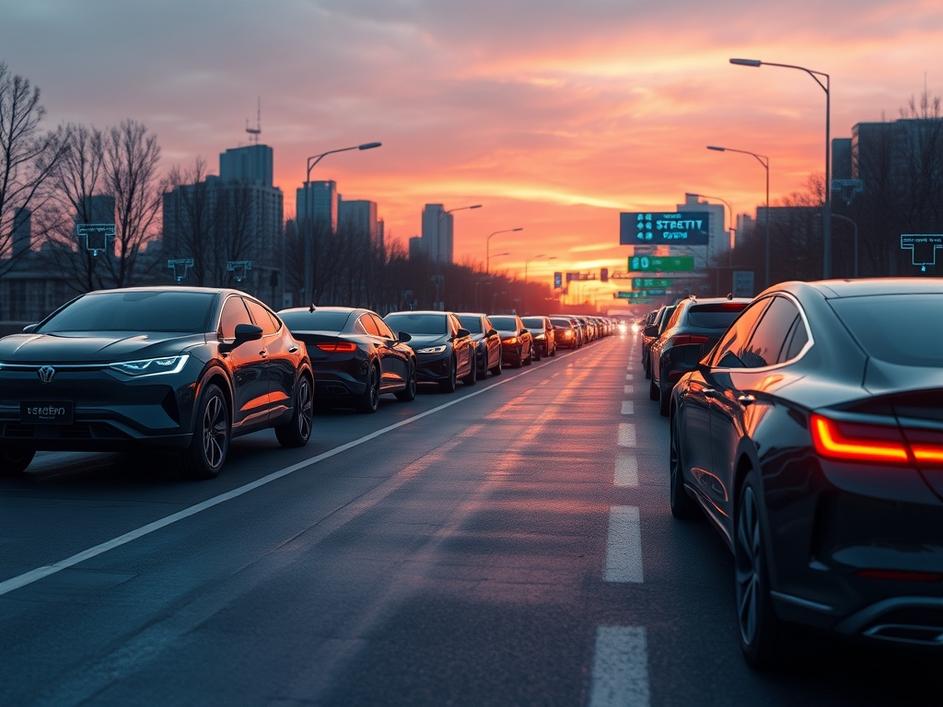
ToggleIt’s hard to believe that cars, once just machines powered by engines and fuel, are now becoming much more like smartphones on wheels. The old focus on horsepower and torque is slowly fading, replaced by features that feel straight out of a science fiction movie. Today, having a car that can connect to the internet, understand voice commands, and even help avoid accidents is what really matters to the next generation of drivers. This shift is reshaping not only what we expect from vehicles but also how carmakers compete in the market.
Smart cars are packed with technology that goes far beyond GPS navigation. They use sensors to monitor everything from road conditions to driver behavior. With advanced driver assistance systems (ADAS), cars can automatically brake if they detect a potential collision or keep themselves in the lane without constant input from the driver. Then there’s connectivity — smart cars can sync with your phone, update software over the air, and provide real-time traffic updates. These features aim to make driving safer, easier, and more enjoyable overall.
When cars become smart devices, mobility changes too. For many people, especially those living in cities, owning a car might take a different shape. Because these vehicles can support ride-sharing services and even drive themselves in the near future, it could mean fewer cars on the road and less need for parking. Also, smart cars can help reduce traffic jams by communicating with each other and traffic management systems, making trips quicker and less stressful. These changes promise to alter the way we live and move around, potentially easing some of the long-standing headaches of urban travel.
Even though the technology is exciting, it’s not without its problems. Issues around data privacy and security are growing as cars become more connected. Imagine if your car’s system got hacked or your driving data was shared without permission — that’s a real concern. Also, the infrastructure needed to support these vehicles, like charging stations for electric smart cars or laws that allow autonomous driving, isn’t always in place yet. Automakers and governments will have to work together more closely to tackle these hurdles if smart cars are going to reach their full potential.
The competition among car manufacturers is no longer just about making the fastest or strongest car. It’s now about who builds the best tech experience. Companies are investing billions into developing smarter systems, better batteries, and seamless user interfaces. Brands that offer a smoother, safer, and more connected ride will likely win the loyalty of drivers in the years ahead. For consumers, this means more choices and better features, but it also means paying attention to who can best protect user data and maintain vehicle software effectively.
In the end, the rise of smart cars feels like a natural step as technology seeps into every part of our lives. For everyday drivers, it means the experience in the driver’s seat is evolving — no longer just about controlling a machine but interacting with a complex, intelligent system. While there are still many questions to answer, such as regulation and infrastructure, the direction is clear: the car of the future will be as much about software and sensors as it is about engines. How quickly this change happens will depend on how well the industry and governments manage the challenges ahead.
Smart cars are changing the way we think about driving, mobility, and even ownership. They are pushing the automotive world into a new era where technology matters as much as mechanics. It will be interesting to see how this transformation unfolds and what it means for all of us who get behind the wheel.



Comments are closed