Introduction to Tech in Farming
The world of agriculture is experiencing a significant shift. Farmers are not just tilling the land anymore; they are turning to technology to enhance their productivity and sustainability. This change is crucial, especially as we face challenges like climate change, a growing population, and the need for more efficient resource use. Technology in farming is not merely a trend; it’s a necessity for the future.
Data-Driven Decisions
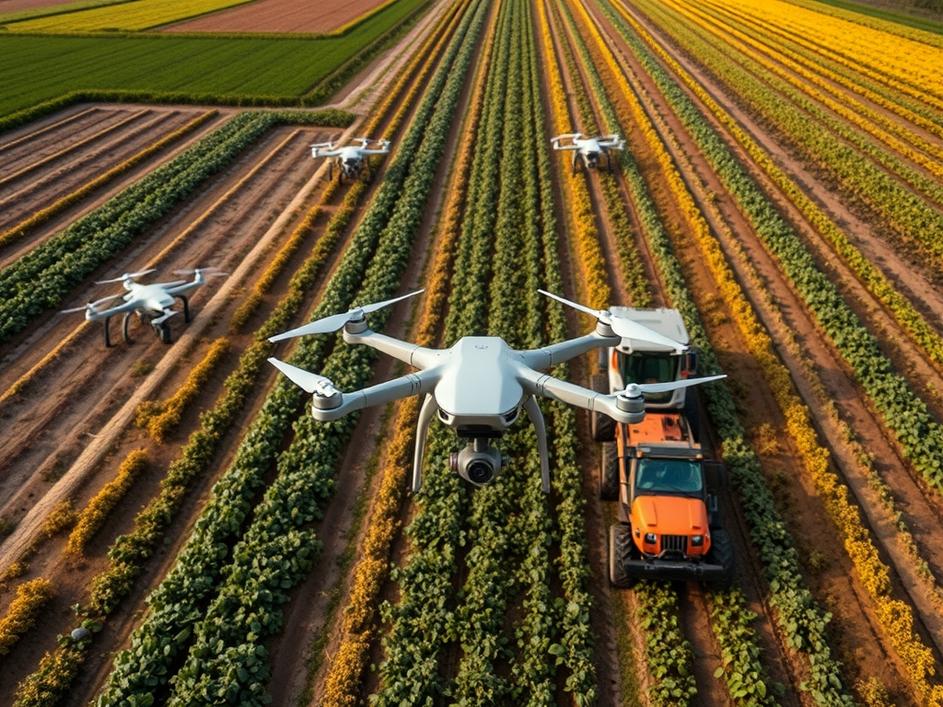
One of the biggest changes in agriculture is the rise of data analytics. Farmers can now gather information about weather patterns, soil health, and crop conditions with precision. Tools like drones and soil sensors collect data that helps farmers make informed decisions. This means they can use resources like water and fertilizers more efficiently. With data, they can predict the best times for planting and harvesting, leading to better yields.
Sustainable Practices at the Forefront
As environmental concerns grow, many farmers are turning to sustainable practices. Technology enables them to adopt methods that reduce their carbon footprint. For example, precision agriculture minimizes waste by ensuring that crops get exactly what they need. This not only preserves the environment but also saves farmers money in the long run. It’s a win-win situation that more farmers are beginning to explore.
The Role of Automation
Automation is another key player in the transformation of agriculture. Robotics are being introduced to perform labor-intensive tasks like planting, harvesting, and weeding. This shift allows farmers to focus on more strategic aspects of managing their farms. However, it also raises questions about labor displacement. As machines take over tasks traditionally done by humans, there needs to be a balance found to support both technology and the agricultural workforce.
Looking Ahead
The future of agriculture looks bright with technology paving the way. Innovations in biotechnology, such as genetically modified crops that are resistant to diseases, are also on the rise. While these advancements can raise ethical questions, they also have the potential to address food security issues. Education will be essential as farmers learn to navigate these new tools and strategies. The ultimate goal is a sustainable, productive, and resilient agricultural sector.
Conclusion: Embracing Change
As we move forward, it’s clear that technology will play a pivotal role in shaping the future of farming. Embracing these advancements will be crucial for addressing the many challenges our world faces. If farmers can adapt to these changes, they will not only sustain their businesses but also contribute to a healthier planet. The way forward is not just about feeding more people; it’s about doing so in a way that preserves our resources for generations to come.





Comments are closed