

We are a digital agency helping businesses develop immersive, engaging, and user-focused web, app, and software solutions.
2310 Mira Vista Ave
Montrose, CA 91020

2500+ reviews based on client feedback
What's Included?
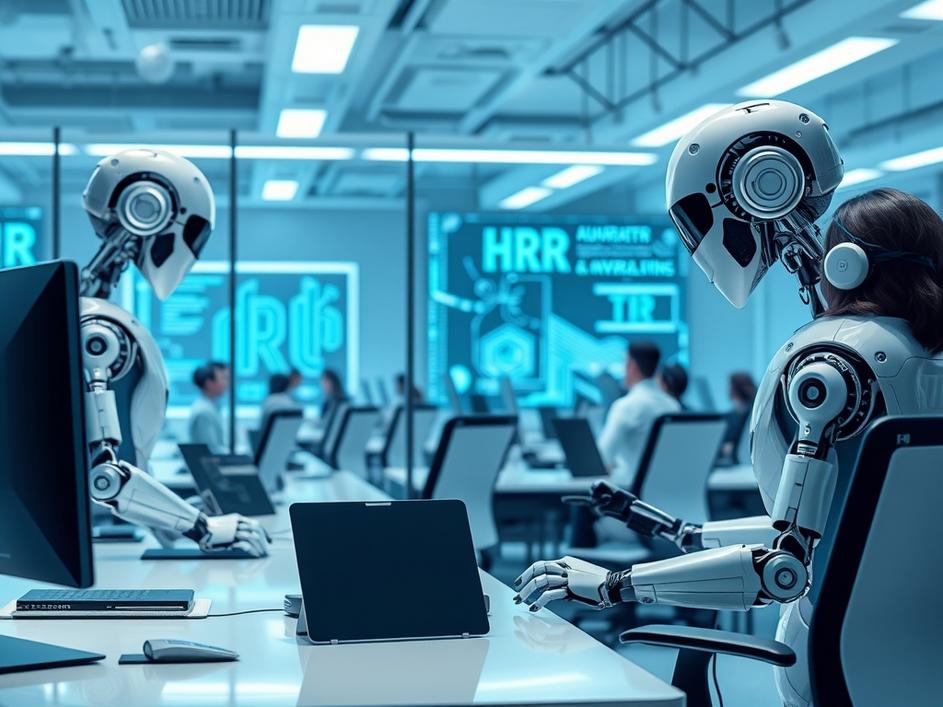
ToggleThe world of Human Resources is changing. It’s not just about hiring and firing anymore. Artificial intelligence is making a big splash, and companies are looking for HR people who understand how to use these new tools. We’re not talking about robots replacing HR staff, but rather, AI assisting them and creating entirely new roles that didn’t exist before.
Big players like Amazon and Siemens are already using AI in their HR departments. They’re using it to sift through resumes, matching candidates with the right jobs. It’s like a super-powered recruitment assistant that never sleeps. This shift means that companies need people who can manage these AI systems, understand their outputs, and make sure they’re being used fairly and effectively.
So, what do these new AI-focused HR jobs look like? Well, some emerging titles include things like “AI-Augmented Recruiter,” “HR Data Analyst,” “AI Implementation Manager,” and “Bias Detection Specialist.” These roles require a blend of traditional HR skills and a solid understanding of AI and data analytics. These positions command higher salaries because of the specialized skill set that is required.
It’s important to remember that AI is just a tool. It can automate tasks and provide insights, but it can’t replace the human element of HR. Things like empathy, conflict resolution, and understanding company culture are still crucial. The best HR professionals will be those who can combine their human skills with the power of AI to create a better workplace.
The demand for HR professionals with AI skills is on the rise, and it’s likely to keep growing. As more companies adopt AI in their HR processes, they’ll need people who can manage and optimize these systems. This presents a great opportunity for HR professionals who are willing to learn and adapt.
So, how can HR professionals prepare for this shift? The key is to focus on upskilling. Take courses in data analytics, machine learning, and AI ethics. Learn how to use AI-powered HR tools. And most importantly, stay curious and keep learning. The world of AI is constantly evolving, so it’s important to stay up-to-date on the latest trends and developments.
While AI offers many benefits, it’s also important to consider the ethical implications. AI algorithms can be biased, leading to unfair or discriminatory hiring practices. HR professionals need to be aware of these risks and take steps to mitigate them. This includes carefully evaluating the algorithms used in HR tools and ensuring that they are fair and transparent.
HR professionals who embrace AI will have a significant competitive advantage. They’ll be able to automate tasks, improve efficiency, and make better decisions. They’ll also be better equipped to attract and retain top talent. In today’s job market, understanding AI is becoming a must-have skill for HR professionals.
The integration of AI into HR is not a distant possibility, it’s happening now. Companies are already using AI to improve their HR processes, and the demand for AI-skilled HR professionals is growing. By embracing AI and upskilling, HR professionals can not only stay relevant but also shape the future of the workplace. It’s about using technology to enhance the human experience, not replace it.
AI’s entry into HR is not just about automation; it is fundamentally reshaping the role of HR professionals. By automating repetitive tasks such as initial resume screening and basic employee inquiries, AI frees up HR staff to focus on more strategic initiatives. This includes talent development, employee engagement, and organizational design. HR can become a more proactive partner in driving business results, using data-driven insights to inform decisions and improve employee experiences.
AI has the potential to help HR create a fairer and more inclusive workplace. By removing human bias from certain processes, such as resume screening, AI can help to identify qualified candidates who might otherwise be overlooked. However, it is crucial to ensure that the AI systems themselves are free from bias. HR professionals must work closely with data scientists and AI developers to carefully audit and monitor these systems, ensuring that they are not perpetuating existing inequalities. This is why the “Bias Detection Specialist” role is becoming so vital.
Ultimately, the future of HR is about humans and AI working together. AI can handle the data-heavy tasks, providing insights and recommendations, while HR professionals can bring their human skills to the table, such as empathy, communication, and critical thinking. This symbiotic relationship will enable HR to be more effective, efficient, and strategic, ultimately creating a better workplace for everyone. The challenge now lies in preparing the HR workforce for this new reality, equipping them with the skills and knowledge they need to thrive in the age of AI.
The rise of AI in HR is not something to be feared, but rather an opportunity to be embraced. By understanding and leveraging the power of AI, HR professionals can transform their roles, create a more efficient and effective workplace, and build a brighter future for themselves and their organizations. The key is to be proactive, embrace change, and continually learn and adapt. The future of HR is here, and it’s powered by AI.
Comments are closed