

We are a digital agency helping businesses develop immersive, engaging, and user-focused web, app, and software solutions.
2310 Mira Vista Ave
Montrose, CA 91020

2500+ reviews based on client feedback
What's Included?
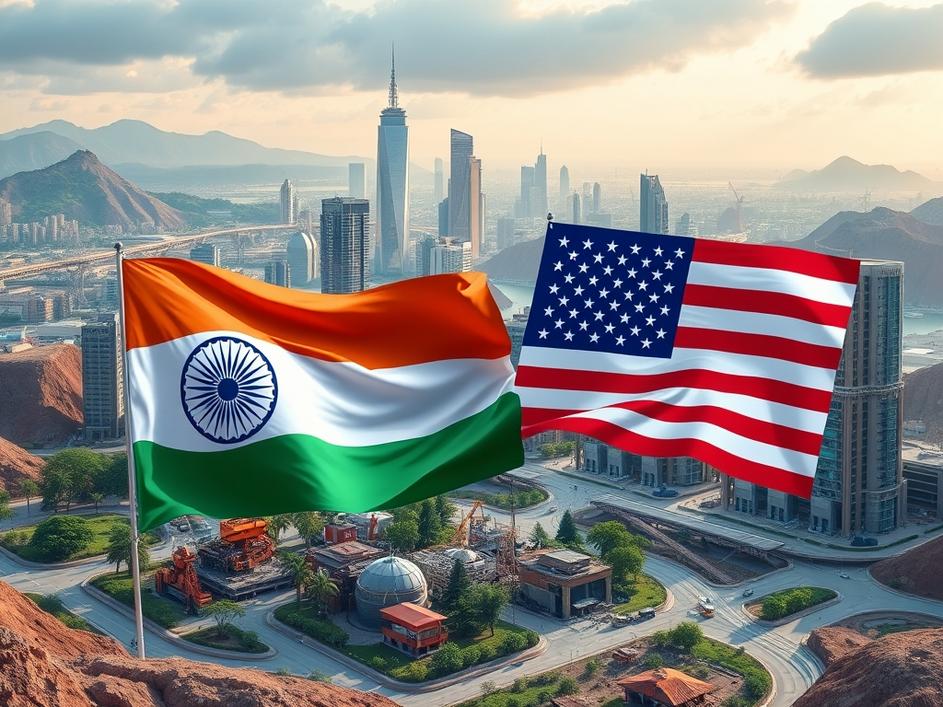
ToggleIndia has officially joined ‘Pax Silica,’ a strategic initiative spearheaded by the United States, marking a potentially pivotal moment in the global landscape of artificial intelligence and critical mineral resources. This move signals a deepening collaboration between the two nations on issues of paramount importance to technological advancement and economic security. The initiative focuses on securing supply chains and fostering innovation in areas vital for the future, particularly those related to AI development and the availability of essential minerals. It’s a partnership built on shared interests and a recognition of the growing need for international cooperation in a rapidly evolving world.
The focus on AI and critical minerals reflects their intertwined significance in today’s world. Artificial intelligence is no longer a futuristic concept; it’s a present-day reality driving innovation across countless sectors, from healthcare and finance to manufacturing and transportation. And the development and deployment of AI systems rely heavily on access to a stable supply of critical minerals, which are used in everything from semiconductors and batteries to advanced sensors and computing hardware. Securing access to these resources and fostering domestic AI innovation are now strategic imperatives for nations around the globe. The initiative is clearly intended to boost the participants’ capabilities in these areas, and perhaps to act as a counterbalance to other global powers.
For India, joining ‘Pax Silica’ represents a significant opportunity. It allows the nation to tap into the expertise and resources of the United States, particularly in the development of advanced AI technologies and the sourcing of critical minerals. This collaboration can help accelerate India’s own AI ambitions, strengthen its domestic manufacturing capabilities, and reduce its reliance on potentially unreliable supply chains. It also provides India with a seat at the table in shaping the future of these crucial industries, giving it a greater voice in international discussions and standard-setting processes. This isn’t just about getting access; it’s about becoming a key player in the global technological arena.
From the US perspective, ‘Pax Silica’ is part of a broader strategy to build resilient supply chains and maintain its technological edge. By partnering with India, a major economic and technological power, the US aims to diversify its sources of critical minerals and reduce its dependence on any single nation. This collaboration also strengthens the US position in the Indo-Pacific region, a strategically vital area with growing geopolitical competition. The initiative can be viewed as a way for the US to build alliances with countries that share similar values and interests, creating a more stable and predictable environment for trade and investment. The US is clearly looking to solidify its position in key technology sectors.
While ‘Pax Silica’ holds considerable promise, it’s not without its challenges. Successfully navigating the complexities of international collaboration requires careful planning, clear communication, and a willingness to address potential conflicts of interest. Ensuring that the benefits of the initiative are shared equitably among all participants will also be crucial for maintaining trust and fostering long-term partnerships. There are differing regulatory standards and geopolitical considerations that will need to be navigated. However, the potential rewards – a more secure and sustainable supply of critical minerals, accelerated AI innovation, and a stronger geopolitical position for both India and the US – make the effort worthwhile. Furthermore, this initiative could act as a template for further partnerships in other crucial technological and resource areas.
The launch of ‘Pax Silica’ occurs within a broader context of intensifying geopolitical competition, especially concerning technology and resources. Other nations are also actively pursuing strategies to secure their access to critical minerals and advance their AI capabilities. This initiative can therefore be seen as part of a larger global trend towards strategic partnerships and alliances aimed at enhancing national competitiveness and security. The relationships between nations are rapidly changing, and the need to secure access to key resources is a major driving factor.
It’s important to also consider the ethical implications of AI development and the sourcing of critical minerals. Ensuring that AI systems are developed and used responsibly, and that mining practices are environmentally sustainable and socially just, should be paramount. ‘Pax Silica’ provides an opportunity to address these concerns collaboratively, setting high standards for ethical conduct and promoting responsible innovation. The need for ethical standards in AI and resource extraction is increasingly being recognised.
India’s decision to join ‘Pax Silica’ represents a bold step towards securing its future in the age of AI and critical minerals. By working together with the United States, India can accelerate its technological advancement, strengthen its economic security, and play a more prominent role on the global stage. While challenges undoubtedly lie ahead, the potential benefits of this strategic partnership are significant, paving the way for a more prosperous and secure future for both nations, and potentially setting a positive example for international cooperation in the face of shared global challenges.

Comments are closed