

We are a digital agency helping businesses develop immersive, engaging, and user-focused web, app, and software solutions.
2310 Mira Vista Ave
Montrose, CA 91020

2500+ reviews based on client feedback
What's Included?
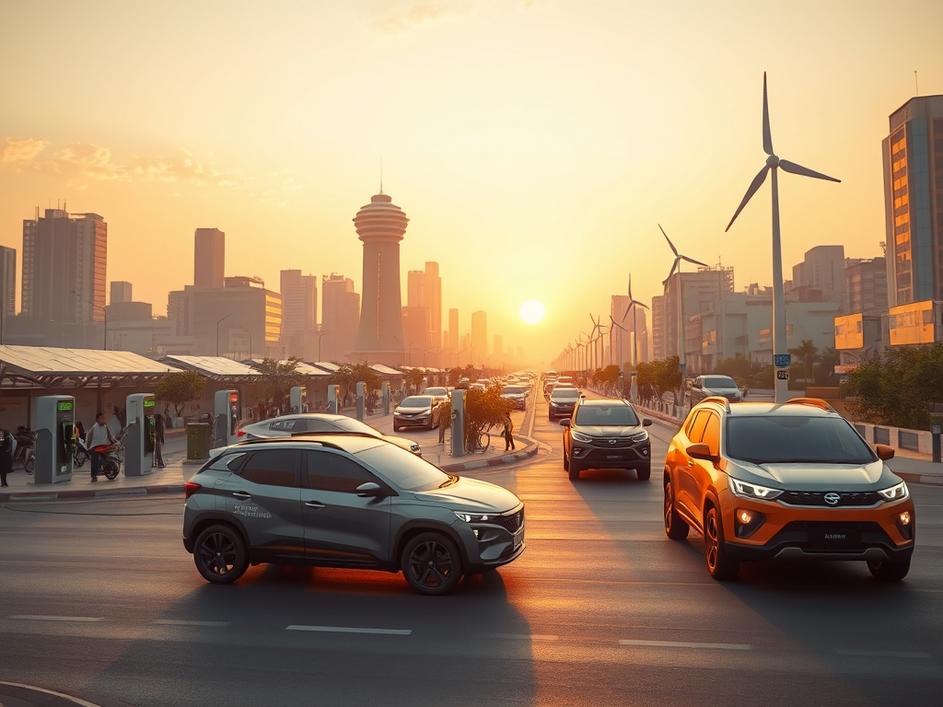
ToggleIndia’s automotive landscape is on the cusp of a major shift, with electric vehicles (EVs) poised to become a dominant force. Two highly anticipated models leading this charge are the 2025 Maruti Suzuki e-Vitara and the Tata Sierra EV. Both represent significant steps forward for their respective manufacturers and promise to offer Indian consumers compelling alternatives to traditional gasoline-powered cars. The buzz surrounding these vehicles isn’t just about their electric powertrains; it’s about the potential they hold to reshape the very definition of an Indian car.
The Maruti Suzuki e-Vitara takes a familiar nameplate and injects it with a dose of futuristic technology. While details remain somewhat scarce, the e-Vitara is expected to be a compact SUV, a popular and growing segment in India. This strategic positioning allows Maruti Suzuki to capitalize on existing brand recognition while appealing to a broad customer base looking for a practical and eco-friendly vehicle. The e-Vitara will likely boast a competitive range and a suite of modern features, aligning with the demands of today’s tech-savvy consumers. Maruti Suzuki’s extensive service network across India will also be a major advantage, alleviating concerns about maintenance and support that some buyers may have with EVs.
The Tata Sierra EV is arguably the more exciting of the two, mainly because it resurrects a beloved name from Tata’s past. The original Sierra, launched in the early 1990s, was a unique and somewhat quirky SUV that captured the imagination of many Indians. The new Sierra EV aims to recapture that spirit of adventure and innovation, but with a thoroughly modern twist. Early concept versions have showcased a striking design language, hinting at a bold and futuristic aesthetic. The Sierra EV is expected to offer a spacious and comfortable cabin, making it ideal for families and long-distance travel. Tata Motors has been steadily building its EV portfolio, and the Sierra EV represents a significant leap forward in terms of design, technology, and ambition.
While both the e-Vitara and the Sierra EV are electric SUVs, they likely cater to slightly different audiences. The e-Vitara, with its familiar Maruti Suzuki badge, might appeal to buyers seeking a reliable, practical, and value-oriented EV. It’s a safe bet for those who prioritize peace of mind and a well-established brand. The Tata Sierra EV, on the other hand, is likely to attract those who are looking for something more distinctive and adventurous. Its bold design and heritage appeal will resonate with buyers who want to make a statement and embrace cutting-edge technology. The Sierra EV is a riskier proposition, perhaps, but one that could pay off handsomely if Tata delivers on its promise of a truly unique and compelling electric SUV.
The introduction of the Maruti Suzuki e-Vitara and the Tata Sierra EV is a major milestone in the electrification of the Indian automotive market. These vehicles not only offer consumers a wider range of choices but also signal a growing commitment from domestic manufacturers to embrace sustainable mobility. However, challenges remain. The high upfront cost of EVs, the limited availability of charging infrastructure, and range anxiety are still significant barriers to widespread adoption. Government incentives, advancements in battery technology, and the expansion of charging networks will be crucial to overcoming these obstacles. As more EVs enter the market and prices become more competitive, the electric revolution in India will only accelerate.
Beyond the initial excitement, the success of EVs like the e-Vitara and Sierra EV hinges on their long-term reliability, performance, and affordability. Consumers need to be convinced that EVs are not just a trendy alternative but a practical and cost-effective solution for their transportation needs. Factors such as battery life, charging times, and maintenance costs will play a crucial role in shaping public perception. Furthermore, the environmental benefits of EVs need to be clearly communicated and substantiated. A holistic approach that considers the entire lifecycle of an EV, from manufacturing to disposal, is essential to ensure that electric mobility truly contributes to a cleaner and more sustainable future.
The availability of robust and accessible charging infrastructure is arguably the most critical factor for the widespread adoption of EVs in India. Without a convenient and reliable charging network, consumers will remain hesitant to switch to electric vehicles. The government, private companies, and automakers need to collaborate to accelerate the deployment of charging stations across the country, particularly in urban areas and along major highways. Standardizing charging protocols and ensuring interoperability between different charging networks are also essential. Furthermore, investing in renewable energy sources to power these charging stations will maximize the environmental benefits of electric mobility.
The 2025 Maruti Suzuki e-Vitara and the Tata Sierra EV represent a significant step forward for the Indian automotive industry and its journey towards electrification. While challenges remain, the potential benefits of EVs – reduced emissions, lower running costs, and a more sustainable transportation system – are undeniable. The success of these vehicles will depend not only on their technical capabilities and design but also on the availability of adequate charging infrastructure, supportive government policies, and a shift in consumer mindset. As India embraces electric mobility, the automotive landscape will undoubtedly transform, paving the way for a cleaner, greener, and more sustainable future.


Comments are closed