

We are a digital agency helping businesses develop immersive, engaging, and user-focused web, app, and software solutions.
2310 Mira Vista Ave
Montrose, CA 91020

2500+ reviews based on client feedback
What's Included?
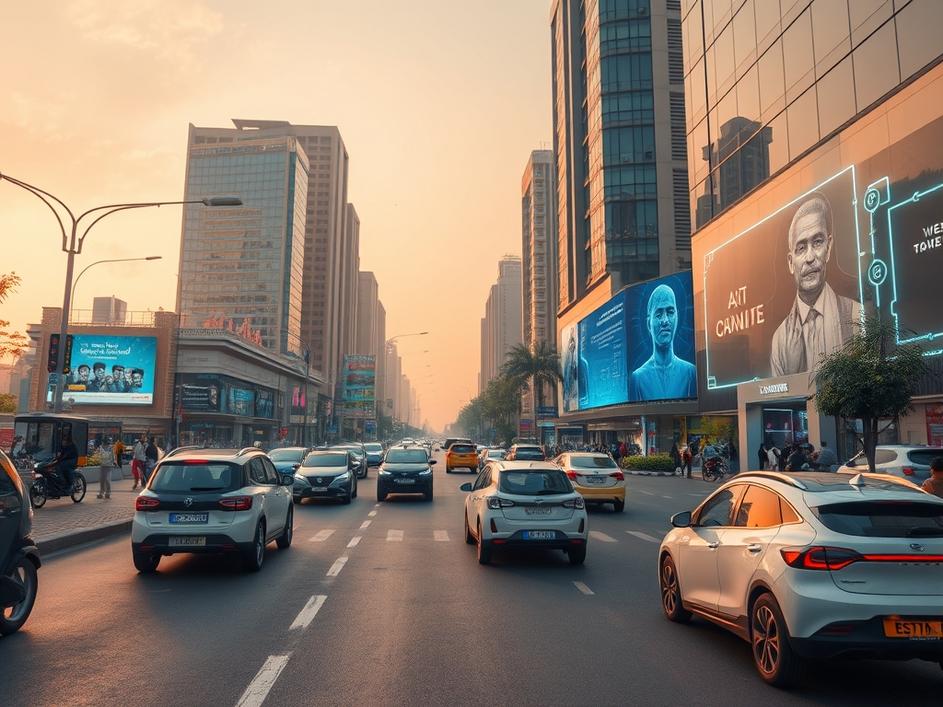
ToggleIndia is experiencing a huge shift in how people and goods get around. It’s not just about more cars on the road; it’s about a fundamental change in the entire transportation system. Think electric vehicles, better infrastructure, and entirely new business models focused on mobility. This moment presents massive opportunities, but also requires businesses to adapt quickly and smartly.
Jio-bp, a joint venture between Reliance Industries and BP, is right in the middle of this transformation. As a major player in fuel and mobility solutions, they’re seeing firsthand how these changes are unfolding. Their CEO understands that simply selling petrol isn’t enough anymore. They need to offer a range of services and products that cater to the evolving needs of Indian consumers, from EV charging stations to advanced fuel technologies.
At the same time, artificial intelligence is completely changing the game for marketers. AI algorithms can now analyze vast amounts of data to understand consumer behavior, predict trends, and personalize marketing messages like never before. This means businesses can target their advertising with laser precision, reaching the right people with the right message at the right time.
Leading figures at Boston Consulting Group (BCG) emphasize that this isn’t just about technology; it’s about strategy. Companies need to rethink their entire approach to marketing, using AI to drive innovation and create more meaningful connections with customers. It’s about moving beyond traditional advertising and embracing new forms of engagement that are more relevant and personalized.
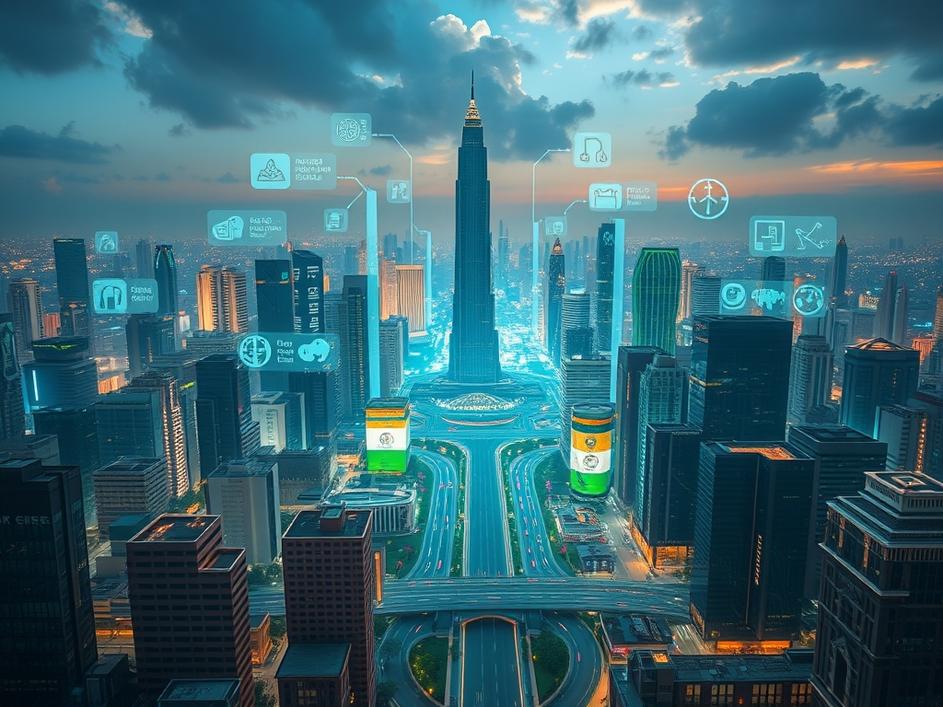
Here’s where things get really interesting: the intersection of India’s mobility revolution and the AI marketing revolution. Imagine a future where your car knows your favorite coffee shop and automatically routes you there in the morning, while simultaneously showing you personalized ads for nearby deals. Or picture a transportation app that uses AI to predict traffic patterns and suggest the most efficient route, while also offering you customized recommendations for restaurants and entertainment along the way.
Data is the key to unlocking the potential of this convergence. The more data companies can collect and analyze, the better they can understand their customers and personalize their offerings. This requires a sophisticated data infrastructure and advanced AI algorithms that can process and interpret vast amounts of information. But it also requires a commitment to data privacy and ethical considerations, ensuring that customer data is used responsibly and transparently.
Of course, there are challenges to overcome. One is the digital divide. While India has made significant progress in internet access, many people still lack reliable connectivity. This limits the reach of AI-powered marketing and mobility solutions. Another challenge is the skills gap. There’s a shortage of talent in both AI and mobility, which could hinder innovation and growth. But these challenges also represent opportunities. Companies that can bridge the digital divide and invest in skills development will be well-positioned to succeed in the new era.
Ultimately, the future of mobility and marketing in India will be personalized and predictive. AI will enable companies to anticipate customer needs and deliver customized solutions in real time. This will create a more seamless and convenient experience for consumers, while also driving greater efficiency and profitability for businesses. It’s a win-win scenario, but it requires a strategic vision and a willingness to embrace change.
India is at a pivotal moment. The decisions we make today will shape the future of mobility and marketing for years to come. It’s time for businesses to invest in AI, build robust data infrastructure, and develop innovative solutions that meet the evolving needs of Indian consumers. It’s time for policymakers to create a supportive regulatory environment that encourages innovation and growth. And it’s time for consumers to embrace the possibilities of a more connected and personalized world. The road ahead is full of potential, and it’s up to us to seize it.
Comments are closed