What this new tool promises
On a quiet road to progress, researchers in the states of Telangana and Andhra Pradesh have rolled out a new digital tool. It looks at photographs of insects found on human remains and tries to tell how long a person has been dead. In plain terms, it is a clock made of bugs. The goal is simple: give investigators a faster, more objective starting point when the time of death is unclear. In many cases, the clock starts ticking with the first hours after death, and every minute matters for evidence, timelines, and family closure. The team suggests that a quick image-based readout could cut through guesswork that has long haunted crime scenes and postmortem reports. It signals a shift from gut feeling to data.
The science behind it
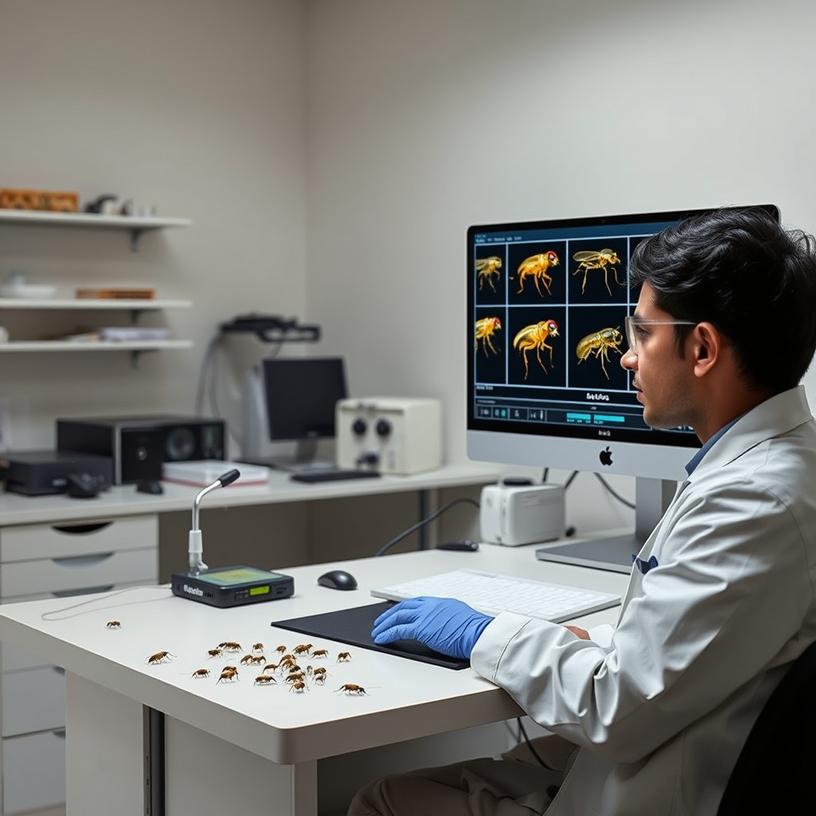
Biologists know insects arrive with bodies in a sequence. Flies come first, lay eggs, maggots grow, and later beetles show up. The pace of these changes depends on temperature, humidity, and whether the body is out in the open or tucked away. The tool collects photographs of the insects, and a computer program analyzes things like species, life stage, size, color, and growth marks. Using past cases and controlled tests, the program estimates the postmortem interval. The promise is a more consistent reading across different investigators. But the model still needs to learn from many climates and situations to be truly reliable.
Why it matters for justice and public safety
In crowded cities and rural labs alike, this tool could speed up investigations. In India, forensic labs often face heavy workloads and backlogs. A reliable image readout could help triage cases, free up experts for tricky work, and provide a common starting point for timelines. It could also help train younger staff by showing them how timelines come from biology and pictures. Yet it is not a replacement for an autopsy or for the judge’s call. It is best used as a supplement that sits beside scene notes, weather data, and lab tests.
The caveats and limits
There are real limits. Indoor deaths, cremation, or bodies hidden from view can throw off insect clues. Weather swings can speed up or slow down insect growth. Photos taken with different phones and cameras may vary in lighting and focus. Misidentifying a bug could tilt the estimate the wrong way. The tool needs broad validation across regions and clear reporting about confidence levels and possible error ranges. And there is a privacy angle: images of the deceased must be handled with care and stored securely.
From lab to field: making it usable
Putting this into practice means more than a good program. It needs training for field teams, clear data standards, and routines for handling evidence. Investigators would capture insect photos at the scene, preserve the evidence properly, and upload them for analysis. The tool should fit into existing case management systems so PMI estimates show up with other facts. Local universities and government bodies can run validation projects, share data, and publish results. The goal is a network of labs where a simple image can spark a more informed question about timing.
A hopeful, careful note for the road ahead
I see real value in having a more objective clue in difficult cases. It could help families find answers sooner and speed up the pursuit of truth. At the same time, this must be a tool, not the final word. Open testing, peer review, and clear error bars matter. If used wisely, with human oversight, it can boost fairness and accuracy. The road ahead will require ongoing testing, ethical safeguards, and collaboration across disciplines. In the end, we’re reading a natural clock in insects to give people clearer moments of truth during hard times.






Comments are closed