

We are a digital agency helping businesses develop immersive, engaging, and user-focused web, app, and software solutions.
2310 Mira Vista Ave
Montrose, CA 91020

2500+ reviews based on client feedback
What's Included?
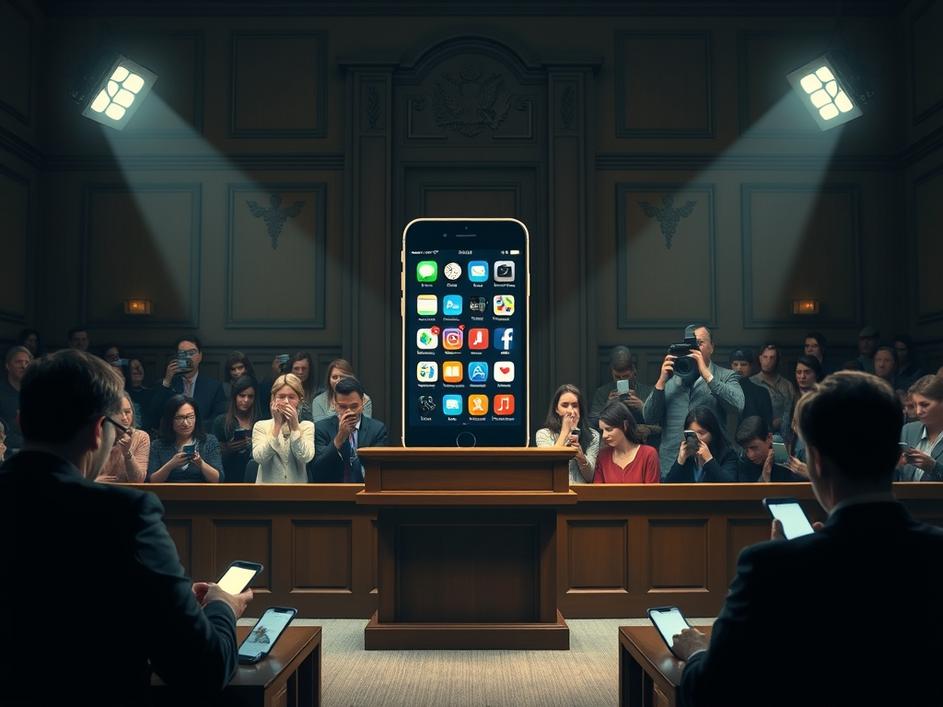
ToggleLately, there’s been a lot of talk about whether social media companies are intentionally making their platforms addictive. It’s easy to spend hours scrolling through feeds, and many people wonder if it’s by accident or by design. A recent lawsuit has brought this question into sharp focus, suggesting that these platforms are indeed engineered to keep us hooked. The implications are huge, potentially changing how we think about social media and its role in our lives.
The core argument of the lawsuit, and what makes it so significant, is the claim that addiction isn’t just a side effect of social media; it’s a built-in feature. The platforms use algorithms and design elements to maximize user engagement. Things like endless scrolling, push notifications, and personalized content feeds are not there to simply enhance the user experience. They’re there to keep you online as long as possible. This distinction is critical because it shifts the responsibility from the user to the platform itself. If addiction is a feature, then the companies creating these platforms are responsible for the consequences.
So, how exactly do social media companies engineer addiction? It starts with understanding how our brains work. The platforms use psychological principles to trigger the release of dopamine, a neurotransmitter associated with pleasure and reward. Every like, comment, or share provides a small dopamine hit, reinforcing the behavior of constantly checking our phones. Furthermore, the algorithms are designed to show us content that is likely to evoke an emotional response, whether it’s joy, anger, or sadness. These emotional reactions make us more likely to engage with the platform and keep scrolling. The element of surprise also plays a significant role. You never know what you’ll find next, creating a sense of anticipation that keeps us coming back for more. It’s like a digital slot machine, with each scroll offering the potential for a rewarding outcome.
The consequences of social media addiction are far-reaching. Studies have linked excessive social media use to increased rates of anxiety, depression, and loneliness. It can also negatively impact our physical health, leading to issues like eye strain, poor sleep, and sedentary lifestyles. For young people, the effects can be particularly damaging, impacting their self-esteem, body image, and social development. The constant comparison to others online can create feelings of inadequacy and fuel a desire for validation through likes and followers. Moreover, social media addiction can take a toll on our relationships. People may spend more time engaging with their online networks than with the people in their real lives, leading to feelings of disconnection and isolation.
If this lawsuit sets a precedent, it could lead to significant changes in how social media platforms operate. Companies may be forced to redesign their platforms to be less addictive, perhaps by limiting the amount of time users can spend on the app or by reducing the use of manipulative design tactics. There could also be increased regulation, with governments stepping in to set standards for responsible social media design. Another possibility is that we’ll see a rise in alternative social media platforms that prioritize user well-being over engagement. These platforms might focus on fostering meaningful connections and providing a more balanced online experience. Ultimately, the goal is to create a social media environment that empowers users rather than exploits them.
Regardless of what happens with the lawsuit, there are steps you can take to manage your own social media use. Start by becoming more aware of how much time you’re spending on these platforms. Many smartphones have built-in features that track your screen time and allow you to set limits. You can also turn off push notifications to reduce the temptation to constantly check your phone. Another helpful strategy is to curate your feed. Unfollow accounts that make you feel bad about yourself or that promote unrealistic expectations. Instead, focus on following accounts that inspire you, educate you, or bring you joy. Finally, make a conscious effort to disconnect from social media and engage in real-world activities. Spend time with friends and family, pursue hobbies, or simply enjoy the outdoors. Remember, life is happening all around you, not just on your screen.
This lawsuit serves as a wake-up call for the digital age. It forces us to confront the ethical implications of social media design and to consider the responsibility that companies have to protect their users. While social media can be a powerful tool for connection and communication, it’s important to recognize its potential for harm. By demanding greater accountability and taking control of our own social media use, we can create a healthier and more balanced relationship with technology.



Comments are closed