

We are a digital agency helping businesses develop immersive, engaging, and user-focused web, app, and software solutions.
2310 Mira Vista Ave
Montrose, CA 91020

2500+ reviews based on client feedback
What's Included?
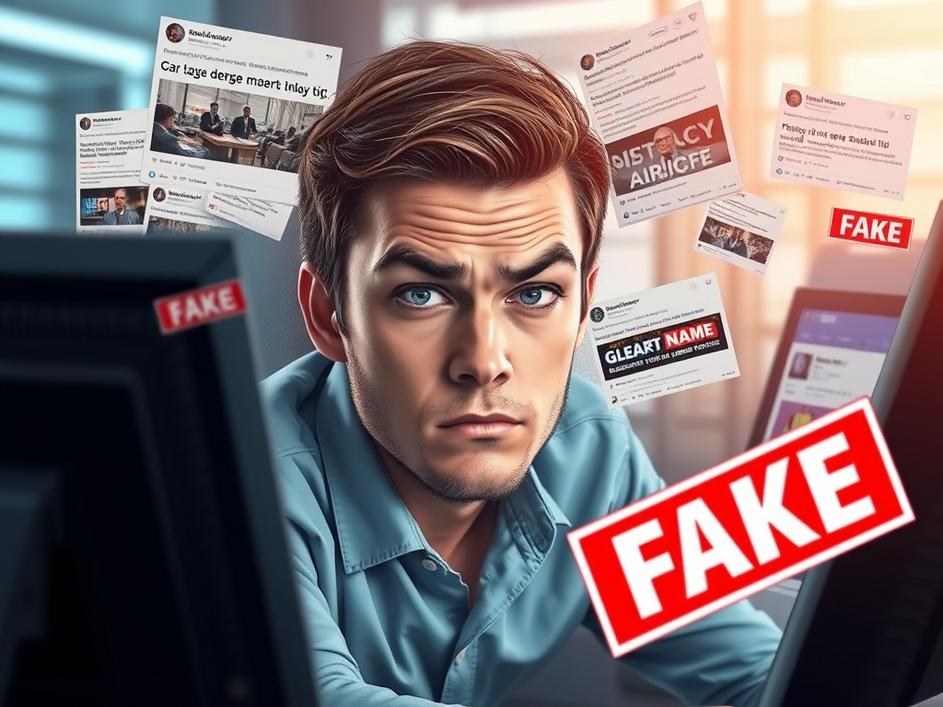
ToggleIn today’s digital world, figuring out what’s real and what’s not is getting harder. It feels like every day there are new ways to create fake images, videos, and audio that can fool even the most careful observer. As we get further into the 21st century, this challenge will only increase. Melissa Goldin and Barbara Whitaker wrote about this problem on April 2, 2026, highlighting how crucial it is to stay sharp and question everything we see and hear online. The rise of sophisticated AI tools means that misinformation can spread faster and be more convincing than ever before. And that has serious implications for all of us.
The ability to tell fact from fiction isn’t just a nice skill to have; it’s a necessary one. Think about it: fake news can sway elections, damage reputations, and even incite violence. When people can’t agree on basic facts, it becomes difficult to have productive conversations or make informed decisions. That’s why it’s so important to develop critical thinking skills and learn how to spot the signs of AI-generated content. We need to be skeptical consumers of information and challenge the things that seem too good (or too bad) to be true. And that’s not always easy.
So, what makes it so difficult to detect AI-generated content? Well, for one thing, the technology is constantly improving. Deepfakes, for example, use artificial intelligence to create realistic-looking videos of people saying or doing things they never actually did. These videos can be incredibly convincing, and it’s getting harder to spot the subtle clues that give them away. Similarly, AI-powered text generators can produce articles, social media posts, and even entire books that are indistinguishable from human writing. The bad actors are constantly finding new ways to trick us, and the rest of us need to keep up.
Fortunately, there are steps we can take to improve our AI detection skills. One of the most important is to be aware of the common red flags. Look for inconsistencies in lighting, shadows, or facial expressions in videos. Check for strange phrasing or unnatural language patterns in text. And always be wary of sources that seem biased or unreliable. It also helps to use reverse image search to see if a photo or video has been altered or taken out of context. There are many online resources available to help you learn more about spotting fake content, so take advantage of them. Fact-checking websites like Snopes and PolitiFact are great resources.
While individual vigilance is essential, we also need to think about the bigger picture. Social media companies, news organizations, and tech platforms have a responsibility to combat the spread of misinformation. They need to invest in tools and technologies that can detect and flag AI-generated content, and they need to be transparent about how they are doing so. Furthermore, education is key. We need to teach people of all ages how to think critically about the information they consume online. This means teaching them about media literacy, source evaluation, and the dangers of confirmation bias. We have to accept that we are all responsible.
The challenge of distinguishing between fact and fiction is not going away anytime soon. As AI technology continues to advance, it will become even more difficult to detect fake content. That’s why it’s so important to develop a long-term strategy for dealing with this problem. This includes investing in research and development to create better detection tools, promoting media literacy education, and fostering a culture of critical thinking. We also need to be willing to adapt and evolve as the technology changes. The fight against misinformation is an ongoing process, and we all need to be prepared to play our part. This involves accepting that we will be fooled sometimes and continuing to learn how to minimize that risk.
One of the most concerning aspects of the rise of AI-generated content is its potential to erode trust in institutions and individuals. When people can’t be sure whether what they’re seeing or hearing is real, it becomes harder to trust anything. That’s why it’s so important to prioritize verification and fact-checking. Before sharing information online, take the time to verify its accuracy. Consult multiple sources, check the credentials of the author, and be wary of sensational or emotionally charged headlines. By being responsible consumers of information, we can help to slow the spread of misinformation and protect the integrity of our shared reality.
In a world where AI can create convincing fakes, our ability to discern truth is more important than ever. By staying informed, developing critical thinking skills, and holding ourselves and others accountable, we can navigate this new reality with confidence and protect ourselves from the dangers of misinformation. The challenge is significant, but it is not insurmountable. By working together, we can create a more informed, resilient, and trustworthy information ecosystem. It will require continuous effort and adaptation, but the stakes are too high to ignore. In the end, our ability to tell fact from fiction will determine the future of our society.

Comments are closed