

We are a digital agency helping businesses develop immersive, engaging, and user-focused web, app, and software solutions.
2310 Mira Vista Ave
Montrose, CA 91020

2500+ reviews based on client feedback
What's Included?
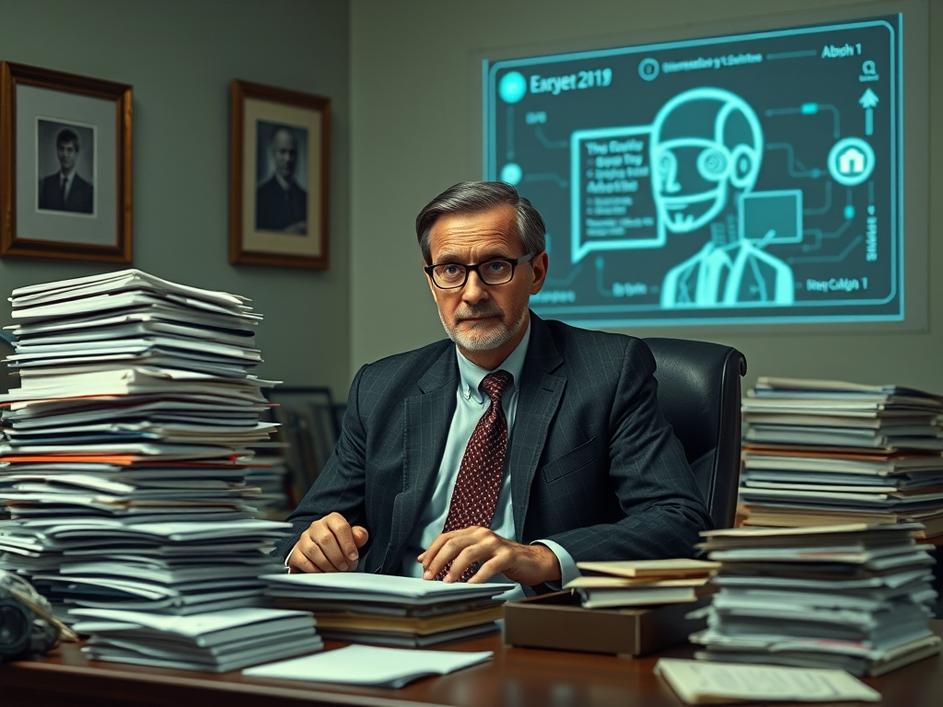
ToggleArtificial intelligence. You can’t escape it. It’s in the news, it’s in your social media feeds, and it seems like every tech company is scrambling to slap the “AI” label on something. We’re told it’s going to change everything, from how we work to how we live. But is it really? Not everyone is convinced. Veteran economist Steve Hanke is raising a skeptical eyebrow at the AI hype train.
Hanke, who advised President Reagan and has a long track record in finance, recently shared his concerns about AI. He thinks the current enthusiasm is overblown and that AI could even be dangerous. He isn’t alone. Yann LeCun, a leading AI scientist at Meta, also has reservations about the capabilities of current chatbot technology. While some see limitless potential, these experts are urging caution. It makes you wonder if the narrative we’re constantly hearing is the whole story.
So, what’s behind the skepticism? For starters, let’s consider the history of tech hype. How many times have we been promised the next big thing, only to see it fall short of expectations? Remember the dot-com boom? The metaverse? It’s easy to get caught up in the excitement, but history teaches us to be wary of overly optimistic predictions. Hanke’s concern about the potential dangers is also worth considering. Any powerful technology can be used for good or ill. Without careful consideration and safeguards, AI could create new problems we haven’t even imagined yet. Think of job displacement, algorithmic bias, or even misuse by malicious actors. These are real risks that need to be addressed.
The tech world loves a good hype cycle. A new technology emerges, excitement builds, investment pours in, and everyone predicts world domination. But then, reality sets in. The technology isn’t quite as magical as promised, the challenges are greater than anticipated, and the hype starts to fade. This isn’t to say that AI is destined to fail. It simply means we need to be realistic about its capabilities and limitations. It’s important to distinguish between genuine progress and marketing spin.
For investors, the AI hype presents both opportunities and risks. Companies that are genuinely innovating in AI could see significant growth. But those simply jumping on the bandwagon to boost their stock price could be in for a rude awakening. It’s crucial to do your homework and understand the underlying technology before investing in anything AI-related. Look beyond the buzzwords and focus on companies with solid business models and a clear path to profitability. Are they solving real problems, or just chasing the latest trend?
Instead of viewing AI as a magical solution to all our problems, maybe it’s time to adopt a more balanced perspective. AI is a tool, and like any tool, its effectiveness depends on how it’s used. It has the potential to automate tasks, analyze data, and even create new forms of art and entertainment. But it also has limitations. It’s not a substitute for human intelligence, creativity, or critical thinking. And it certainly shouldn’t be seen as a get-rich-quick scheme. The real value of AI will likely emerge over the long term, as we learn to integrate it into our lives in a responsible and sustainable way.
One aspect often overlooked in the AI discussion is the human element. AI systems are trained on data, and that data reflects the biases and limitations of the people who created it. To ensure that AI is used fairly and ethically, we need to involve diverse perspectives in its development and deployment. We also need to focus on education and training, so that people can adapt to the changing job market and take advantage of the opportunities that AI creates. It’s not enough to simply develop the technology. We also need to consider its social and economic implications.
Steve Hanke’s warning about AI shouldn’t be dismissed out of hand. It’s a reminder that not all that glitters is gold and that we need to approach new technologies with a healthy dose of skepticism. The AI revolution may not be as immediate or as transformative as some predict. But that doesn’t mean we should ignore its potential. By taking a more measured and thoughtful approach, we can harness the power of AI while mitigating its risks. The key is to separate hype from reality, invest wisely, and remember that technology is only as good as the people who use it.


Comments are closed