

We are a digital agency helping businesses develop immersive, engaging, and user-focused web, app, and software solutions.
2310 Mira Vista Ave
Montrose, CA 91020

2500+ reviews based on client feedback
What's Included?
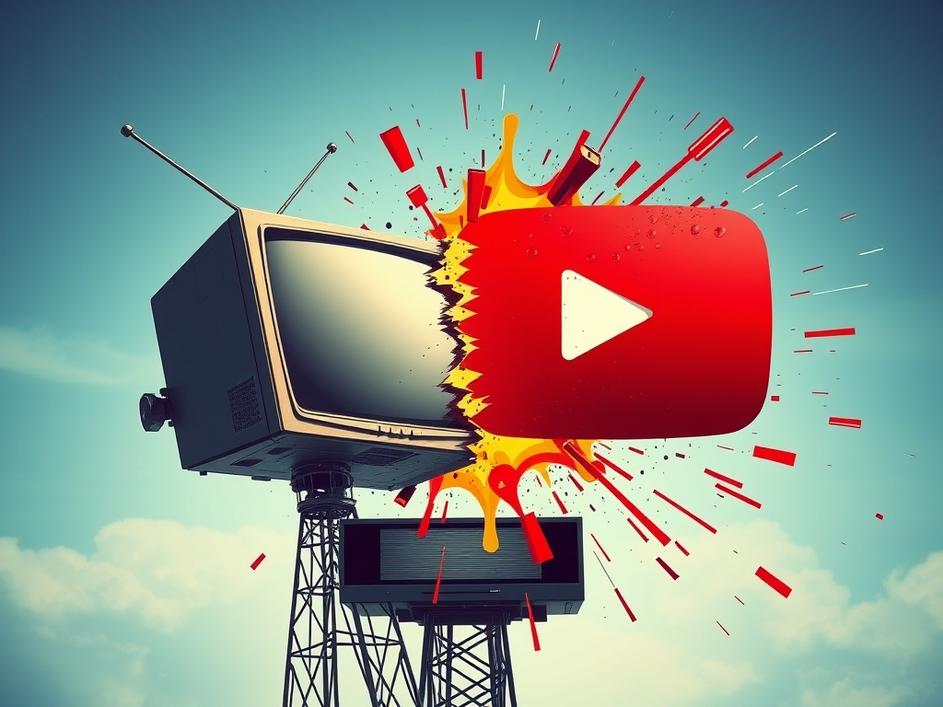
ToggleFor years, YouTube has been the undisputed king of online video. From cat videos to in-depth documentaries, the platform offers a vast and diverse range of content created by individuals and independent media outlets. But now, it seems the established news media giants are taking notice, and they’re not just passively observing. They appear to be actively strategizing to reclaim some of the audience and influence they’ve lost to the digital realm. This raises a critical question: can traditional news compete with the raw, authentic, and often unfiltered content that thrives on YouTube?
A recent discussion featuring Bari Weiss has brought this issue into sharper focus. Weiss, known for her commentary on media and culture, openly discussed the ambition of CBS News and other mainstream outlets to directly challenge YouTube’s dominance. This isn’t just about uploading news clips; it’s about creating content designed to compete directly with the types of videos that draw massive audiences on YouTube. Think explainers, interviews, and even opinion pieces delivered in a more informal, engaging style. The goal is clear: to recapture the attention of viewers who have migrated away from traditional television and news websites.
So, why the sudden surge of interest in YouTube from legacy media? Several factors are likely at play. First, traditional media outlets are facing declining viewership and readership. Younger audiences, in particular, are much more likely to get their news and information from online sources, especially platforms like YouTube. Second, YouTube offers a direct and often more lucrative way to monetize content through advertising and sponsorships. This bypasses the traditional gatekeepers and allows creators to build a direct relationship with their audience. Finally, the success of independent YouTubers and online media companies has demonstrated the potential for building a large and engaged audience outside of the established media ecosystem.
This situation sets the stage for an interesting clash of titans. On one side, you have the established media giants with their vast resources, established brands, and access to powerful figures. On the other side, you have the nimble and adaptable YouTube creators who have built their audiences from the ground up, often with limited resources. The key difference lies in their approach to content creation. Traditional media often adheres to strict journalistic standards and strives for objectivity (though some might argue how successful they are). YouTube creators, on the other hand, often prioritize entertainment, personality, and engagement. They’re not afraid to express opinions, experiment with different formats, and cater to niche audiences.
Ultimately, this competition could be a good thing for viewers. The increased competition could lead to higher-quality content, more diverse perspectives, and a wider range of options for consuming news and information. However, it also raises important questions about trust, bias, and the role of media in society. Will traditional media be able to adapt to the fast-paced and often irreverent culture of YouTube? Will YouTube creators be able to maintain their independence and authenticity in the face of increased competition from established players? And how will viewers navigate the increasingly complex media landscape to find reliable and trustworthy information?
One of YouTube’s greatest strengths is the perceived authenticity of its creators. Viewers often feel a stronger connection to YouTubers than to traditional news anchors or reporters. This is because YouTubers often share personal stories, interact directly with their audience, and present themselves as relatable individuals. Traditional media outlets, on the other hand, are often seen as more distant and impersonal. To succeed on YouTube, traditional media will need to find a way to bridge this gap and connect with viewers on a more personal level.
YouTube’s algorithm will also play a crucial role in determining the outcome of this battle. The algorithm determines which videos are recommended to viewers, and it can significantly impact a creator’s reach and visibility. If the algorithm favors established media outlets, it could give them a significant advantage over independent creators. However, if the algorithm continues to prioritize engagement and relevance, it could create a more level playing field. Ultimately, the algorithm’s behavior will shape the future of content creation on YouTube.
It’s unlikely that traditional media will completely take over YouTube. More likely, we’ll see a hybrid model emerge, where established media outlets and independent creators coexist and even collaborate. Traditional media could bring their resources and expertise to YouTube, while independent creators could bring their creativity and authenticity to traditional media. This could lead to a more diverse and dynamic media landscape that benefits both creators and viewers.
The evolving relationship between traditional media and YouTube presents both opportunities and challenges. As viewers, it’s more important than ever to be critical consumers of information, to seek out diverse perspectives, and to be aware of the potential biases of different media outlets. By being informed and engaged, we can help shape the future of media and ensure that it serves the public interest.
Comments are closed