

We are a digital agency helping businesses develop immersive, engaging, and user-focused web, app, and software solutions.
2310 Mira Vista Ave
Montrose, CA 91020

2500+ reviews based on client feedback
What's Included?
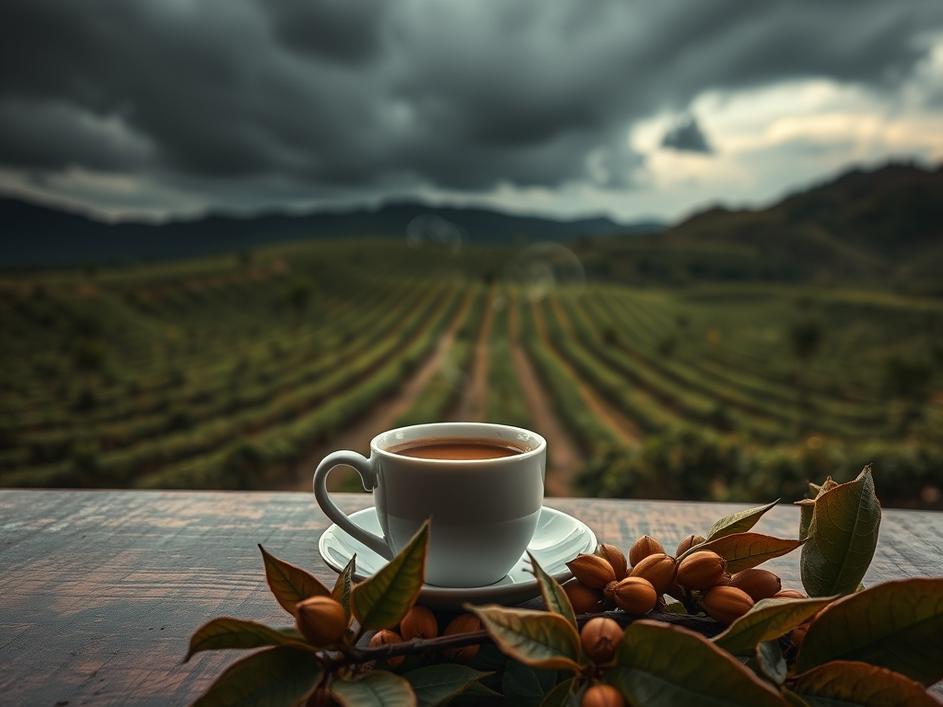
ToggleHave you noticed your morning coffee costing a bit more lately? Well, you’re not alone. The coffee industry is facing a perfect storm of challenges, threatening to make that daily caffeine fix significantly pricier. From climate change impacting growing regions to supply chain disruptions and increasing demand, several factors are converging to create a potential coffee crisis. And it’s not just about the price at your local cafe; the livelihoods of millions of coffee farmers are also at stake.
One of the biggest threats to the coffee supply is climate change. Coffee plants, especially the Arabica variety prized for its flavor, are incredibly sensitive to temperature and rainfall patterns. Rising temperatures, prolonged droughts, and unpredictable weather events are devastating coffee-growing regions around the world. Brazil, Vietnam, Colombia, and Ethiopia – major coffee producers – are already experiencing these effects. This means lower yields, reduced quality, and, ultimately, less coffee available to meet global demand. It’s like trying to grow tomatoes in the desert – it’s not going to be easy, or cheap.
Even if the coffee beans are successfully grown, getting them from the farm to your cup is becoming increasingly difficult and expensive. The global supply chain is still recovering from the disruptions caused by the pandemic. Shipping costs have skyrocketed, ports are congested, and there’s a shortage of containers. This means that even when coffee is available, it takes longer and costs more to transport it. Imagine trying to get ingredients for your favorite recipe, but the store is out of stock, and the delivery truck is stuck in traffic – that’s the reality for the coffee industry right now.
Adding fuel to the fire is the ever-growing global demand for coffee. As more people around the world develop a taste for coffee, the pressure on supply increases. Emerging markets like China and India are seeing a surge in coffee consumption, further straining the already stretched supply chain. This increased demand, coupled with the existing supply challenges, is creating a recipe for higher prices. It’s simple economics – when demand exceeds supply, prices go up.
The coffee crisis isn’t just about higher prices for consumers; it also has a devastating impact on coffee farmers and their communities. Many coffee farmers are smallholders who rely on their crops for their livelihoods. When yields decline due to climate change or prices plummet due to oversupply, they struggle to make ends meet. This can lead to poverty, displacement, and even forced labor. Sustainable coffee farming practices and fair trade initiatives are crucial to protecting these vulnerable communities and ensuring a more equitable coffee industry. Without them, the very future of coffee production is at risk.
So, what can be done to address this brewing coffee crisis? There’s no single magic bullet, but a combination of strategies is needed. Investing in climate-resilient coffee varieties, supporting sustainable farming practices, and promoting fair trade initiatives are all crucial steps. Consumers can also play a role by choosing to buy sustainably sourced coffee and supporting companies that are committed to ethical sourcing. Innovation in coffee production, such as developing drought-resistant plants, will also be vital. Think of it like a community garden – everyone needs to contribute to ensure a bountiful harvest for all.
The future of coffee depends on our ability to adapt to the challenges we face. Climate change is not going away, and supply chain disruptions are likely to continue. The coffee industry needs to embrace innovation, sustainability, and fair trade practices to ensure a stable and equitable future for everyone involved. Otherwise, we risk facing a world where coffee becomes a luxury item, and the livelihoods of millions of coffee farmers are jeopardized. The choice is ours – adapt and invest in a sustainable coffee future, or face the consequences of inaction.
The next time you sip your morning coffee, take a moment to think about the journey it took to get to your cup and the challenges facing the coffee industry. By making informed choices as consumers and supporting sustainable initiatives, we can all play a part in ensuring a brighter future for coffee farmers and a more stable coffee supply for everyone. It’s time to wake up and smell the coffee – and then take action.

Comments are closed