

We are a digital agency helping businesses develop immersive, engaging, and user-focused web, app, and software solutions.
2310 Mira Vista Ave
Montrose, CA 91020

2500+ reviews based on client feedback
What's Included?
ToggleWe’ve been promised a future where our devices talk to each other, making our lives easier and more efficient. The Internet of Things (IoT) is supposed to deliver that promise. Imagine your fridge automatically ordering milk when you’re running low, or your thermostat adjusting the temperature based on your location. Sounds great, right?
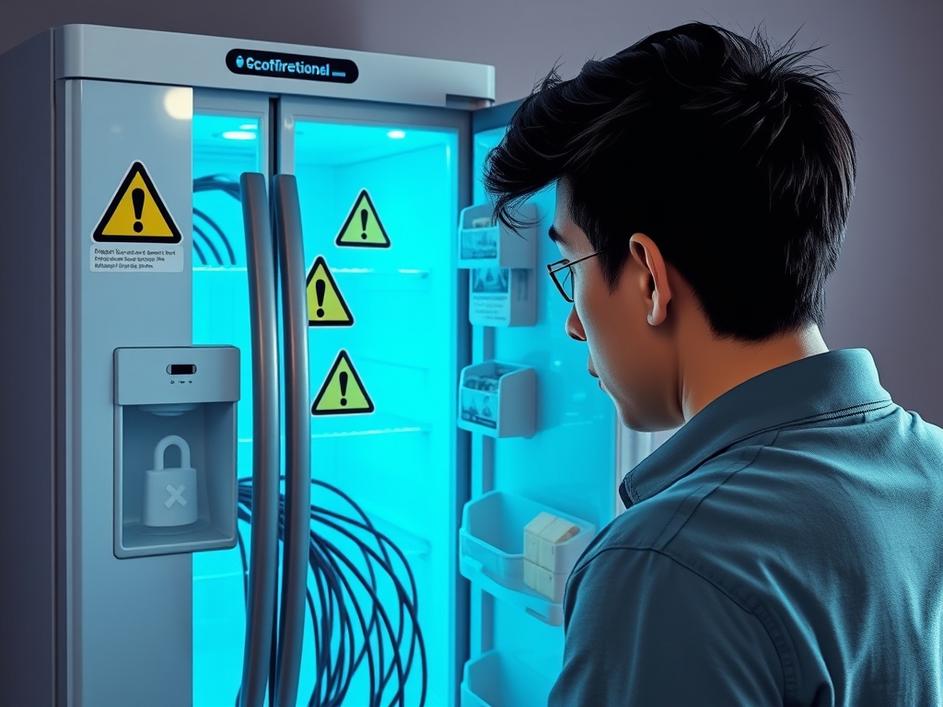
But there’s a dark side to all this connectivity. Every smart device is a potential entry point for hackers. And let’s be honest, security isn’t always the top priority for manufacturers rushing to get the latest gadget to market. This creates a huge problem, and the recent warnings about vulnerabilities in connected devices should make everyone pause and think.
Think about it: Your smart TV probably knows what shows you watch. Your smart speaker is always listening. And your smart fridge? Well, it’s connected to your Wi-Fi and potentially has a camera. All these devices collect data, and if they’re not properly secured, that data is up for grabs. It’s not just about privacy; it’s about safety, too. Imagine a hacker taking control of your smart oven or disabling your home security system. The risks are real and growing. A recent investigation has shown some popular IoT products were not as secure as they should be, that security updates were hard to apply, or there was little user awareness about the risks.
One of the biggest issues is the lack of clear responsibility. Manufacturers often point fingers at consumers for not updating their devices, while consumers may not even know updates are available or how to install them. And governments are struggling to keep up with the rapidly evolving technology. We need clear standards and regulations to ensure that IoT devices are secure by design. Manufacturers should be held accountable for the security of their products, and consumers need to be better informed about the risks.
So, what can you do to protect yourself? First, change the default passwords on all your smart devices. This is a basic step that many people overlook. Second, keep your devices updated with the latest security patches. Enable automatic updates if possible. Third, segment your network. Use a separate Wi-Fi network for your IoT devices to isolate them from your computers and smartphones. This can prevent hackers from accessing your sensitive data if they compromise one of your smart devices. Finally, be aware of the permissions you grant to apps and services. Do you really need to give your smart fridge access to your location data?
The IoT has the potential to transform our lives in many positive ways. But we can’t ignore the security risks. We need a more proactive approach to security, with manufacturers, consumers, and governments working together to create a safer and more secure connected world. The convenience of a smart home shouldn’t come at the expense of our privacy and security.
It’s also important to consider the implications beyond our homes. The Industrial Internet of Things (IIoT) connects industrial equipment, factories, and critical infrastructure. A security breach in these systems could have catastrophic consequences. Imagine a hacker gaining control of a power plant or a water treatment facility. The stakes are much higher than a compromised smart fridge. Therefore, better security is needed to prevent cyberattacks.
Addressing the security challenges of the IoT requires a multi-faceted approach. Stronger regulations are needed to set minimum security standards for devices, and greater international collaboration is essential. Hackers don’t respect borders, so we need global cooperation to share threat intelligence and develop effective security strategies. We should implement a common ground of security standards for the IoT industry to apply. Ultimately, the IoT security problem can only be solved by working together.
Before buying the next “smart” gadget, take a moment to think about the security implications. Do you really need a connected toothbrush? Is the convenience worth the potential risk? By asking these questions, we can make more informed decisions and help drive demand for more secure IoT devices. The future of the IoT depends on our ability to address the security challenges. If we fail to do so, the promise of a connected world could turn into a nightmare.



Comments are closed