

We are a digital agency helping businesses develop immersive, engaging, and user-focused web, app, and software solutions.
2310 Mira Vista Ave
Montrose, CA 91020

2500+ reviews based on client feedback
What's Included?
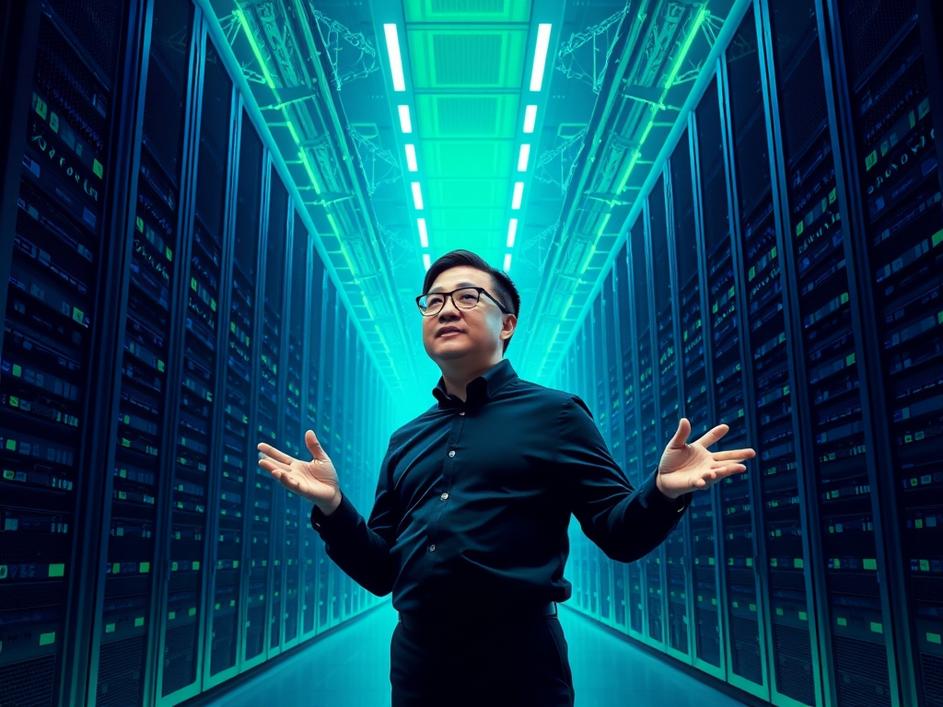
ToggleReports have surfaced about a rather intense all-hands meeting at Nvidia, where CEO Jensen Huang didn’t mince words with his management team. Apparently, he questioned their sanity regarding the adoption of AI within the company. While the exact quote, “Are you insane?”, might sound harsh, it highlights a crucial point: Huang is dead serious about integrating artificial intelligence into every facet of Nvidia’s operations. This wasn’t just a casual suggestion; it was a clear directive, a line in the sand. It signals a significant shift in how Nvidia views its future and how it intends to maintain its competitive edge.
So, what’s driving this urgency? Nvidia isn’t exactly a laggard in the AI space. They practically built the foundation for the current AI boom with their GPUs. But Huang’s outburst suggests that even he believes they need to move faster, integrate deeper, and perhaps even disrupt themselves before someone else does. The tech world moves at lightning speed, and resting on past achievements is a recipe for obsolescence. Maybe Huang sees untapped potential within his own company, opportunities to streamline processes, enhance product development, or even create entirely new AI-driven solutions. The internal pressure could be a calculated move to prevent complacency.
Huang’s mandate likely extends beyond simply using AI-powered tools. It probably involves a fundamental rethinking of how Nvidia operates. Imagine AI being used to automate repetitive tasks, analyze vast datasets for insights, personalize customer experiences, or even assist in the design and testing of new hardware. This isn’t just about replacing human workers with robots; it’s about augmenting human capabilities and freeing up employees to focus on more creative, strategic, and innovative endeavors. For Nvidia, this means potentially accelerating product development cycles, improving product quality, and gaining a deeper understanding of customer needs.
Of course, such a radical shift doesn’t come without its challenges. Integrating AI across all departments requires significant investment in infrastructure, training, and talent acquisition. Employees need to be equipped with the skills and knowledge to effectively use these new AI tools. There’s also the risk of over-reliance on AI, which could stifle human creativity and critical thinking. Furthermore, ethical considerations surrounding AI bias, data privacy, and job displacement need to be carefully addressed. Nvidia needs to ensure that its AI initiatives are aligned with its values and contribute to a more equitable and sustainable future.
While some might dismiss Huang’s outburst as mere theatrics or hype, it’s important to recognize the underlying strategic imperative. AI is no longer a futuristic fantasy; it’s a present-day reality that’s reshaping industries across the board. Companies that fail to embrace AI risk being left behind. Huang understands this, and he’s determined to ensure that Nvidia remains at the forefront of this technological revolution. His forceful approach might be unconventional, but it sends a clear message: AI is not just important to Nvidia’s future – it *is* Nvidia’s future.
Nvidia’s internal AI push reflects a broader trend across the tech industry and beyond. Organizations of all sizes are exploring ways to integrate AI into their operations. This has profound implications for the future of work. Some jobs will be automated, while others will be augmented. New jobs will emerge that require skills in AI development, deployment, and maintenance. Workers need to adapt to this changing landscape by acquiring new skills and embracing lifelong learning. Companies also have a responsibility to provide training and support to help their employees navigate this transition.
Huang’s method, while direct, may not be universally applauded. Some might view it as heavy-handed or even counterproductive. After all, fostering innovation requires a culture of psychological safety where employees feel comfortable experimenting, taking risks, and even failing. A top-down mandate, especially one delivered with such intensity, could stifle creativity and lead to resentment. A more collaborative approach, where employees are actively involved in shaping the AI strategy, might be more effective in the long run.
Only time will tell whether Nvidia’s bold AI strategy will pay off. The company faces significant challenges in integrating AI across its operations while mitigating the risks and ethical concerns. However, one thing is clear: Nvidia is not afraid to disrupt itself in pursuit of innovation. Huang’s passionate, albeit forceful, leadership style is driving the company to embrace the future of AI. Whether this proves to be a stroke of genius or a misstep remains to be seen, but it’s certainly a story worth watching closely.



Comments are closed