

We are a digital agency helping businesses develop immersive, engaging, and user-focused web, app, and software solutions.
2310 Mira Vista Ave
Montrose, CA 91020

2500+ reviews based on client feedback
What's Included?
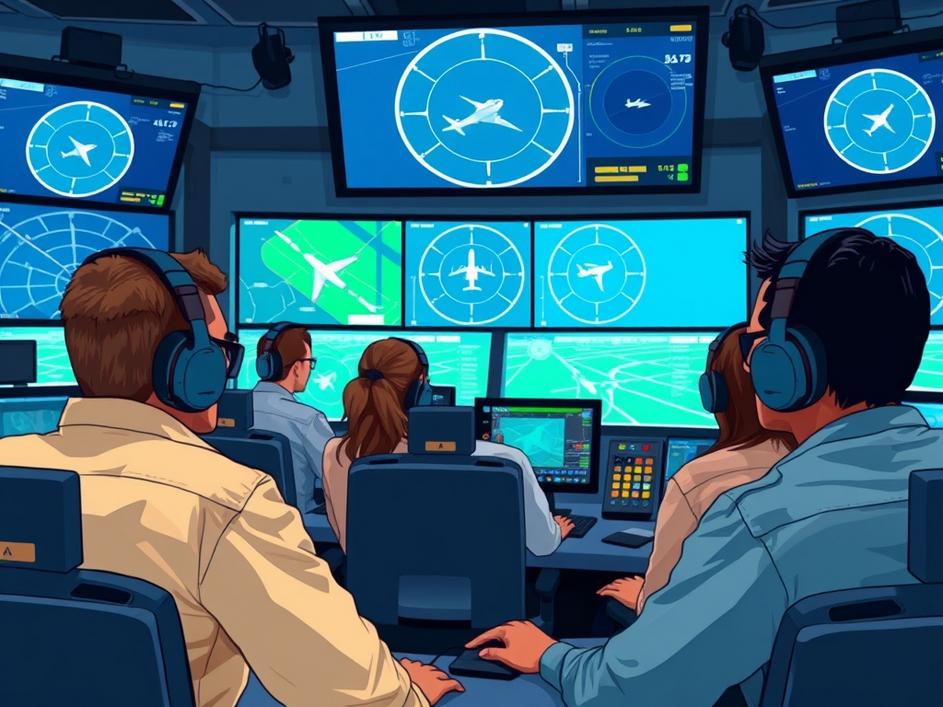
ToggleThe Federal Aviation Administration (FAA) is facing a challenge: finding enough qualified air traffic controllers to manage the increasingly complex skies. And they’re looking to an unexpected talent pool – video gamers. Yes, you read that right. The FAA believes the skills honed in the virtual worlds of gaming can translate into the real-world responsibilities of guiding airplanes safely through the air. It might sound strange at first, but when you think about it, the logic makes a lot of sense. Gamers often possess quick reflexes, strategic thinking, and the ability to process a lot of information simultaneously – all crucial traits for an effective air traffic controller.
So, what’s the connection between fragging opponents and managing flight paths? Think about the core skills involved. Many video games demand intense focus, rapid decision-making, and the ability to adapt to constantly changing circumstances. Players must monitor multiple data streams, anticipate potential problems, and react swiftly to unexpected events. These are precisely the same skills needed to keep airplanes safely separated and on schedule. Air traffic control isn’t just about following procedures; it’s about thinking on your feet and making critical judgments under pressure. The FAA recognizes that gamers, through their immersive experiences, are already developing these abilities.
Of course, being a skilled gamer doesn’t automatically qualify someone to become an air traffic controller. There’s a lot more to it than just quick reflexes. The FAA will still be putting potential candidates through rigorous training programs to teach them the specific knowledge and procedures required for the job. However, the agency hopes that by targeting gamers, they can identify individuals who already possess the inherent aptitude and cognitive abilities needed to succeed in this demanding field. This approach could help streamline the training process and ultimately lead to a more efficient and effective air traffic control workforce. They’re not just looking for people who can play games; they’re looking for people who can learn quickly and apply their existing skills to a new and challenging environment.
This initiative also has the potential to broaden the diversity of the air traffic control workforce. The gaming community is incredibly diverse, encompassing people from all backgrounds, ages, and skill levels. By actively recruiting from this pool, the FAA can attract a wider range of candidates and create a more representative and inclusive workforce. This is important not only from a social equity perspective but also because diverse teams are often more creative and innovative in their problem-solving approaches. Bringing different perspectives to the table can lead to better decision-making and improved overall performance. And, frankly, it’s a smart move for the FAA to tap into a talent pool that has been largely overlooked in the past. It’s a win-win for everyone involved.
While the idea of recruiting gamers as air traffic controllers is intriguing, there are potential challenges to consider. One concern is the perception of the profession. Air traffic control is a high-stress, high-responsibility job, and it may not appeal to everyone, even those with the necessary skills. The FAA will need to effectively communicate the rewards and benefits of the job to attract qualified candidates. Another challenge is ensuring that the training programs are tailored to the specific needs of gamers. While they may possess certain inherent abilities, they may also need additional support in other areas, such as communication and teamwork. It’s crucial that the FAA provides comprehensive training that addresses all aspects of the job, not just the technical skills.
The FAA’s initiative to recruit gamers as air traffic controllers is a sign of the times. It reflects a growing recognition that the skills and abilities developed in the digital world are increasingly relevant to the real world. As technology continues to evolve, we can expect to see more and more unconventional career paths emerge. The key is to be open to new ideas and to embrace innovation in all its forms. The FAA is taking a bold step in this direction, and it will be interesting to see how this experiment unfolds. If successful, it could pave the way for other industries to tap into the untapped potential of the gaming community.
Ultimately, the goal of this initiative is to improve the safety and efficiency of air travel. By attracting and training a new generation of air traffic controllers, the FAA hopes to ensure that our skies remain safe and accessible for everyone. It’s a challenging task, but it’s one that is essential to the continued growth and success of the aviation industry. And who knows, maybe the next time you’re flying, the person guiding your plane through the air will be a former video game champion. It’s a thought that might make you feel a little more confident about the future of air travel. And while there are potential challenges, the FAA’s willingness to explore new avenues for talent acquisition is a positive sign that the agency is committed to finding the best and brightest to keep our skies safe.



Comments are closed