

We are a digital agency helping businesses develop immersive, engaging, and user-focused web, app, and software solutions.
2310 Mira Vista Ave
Montrose, CA 91020

2500+ reviews based on client feedback
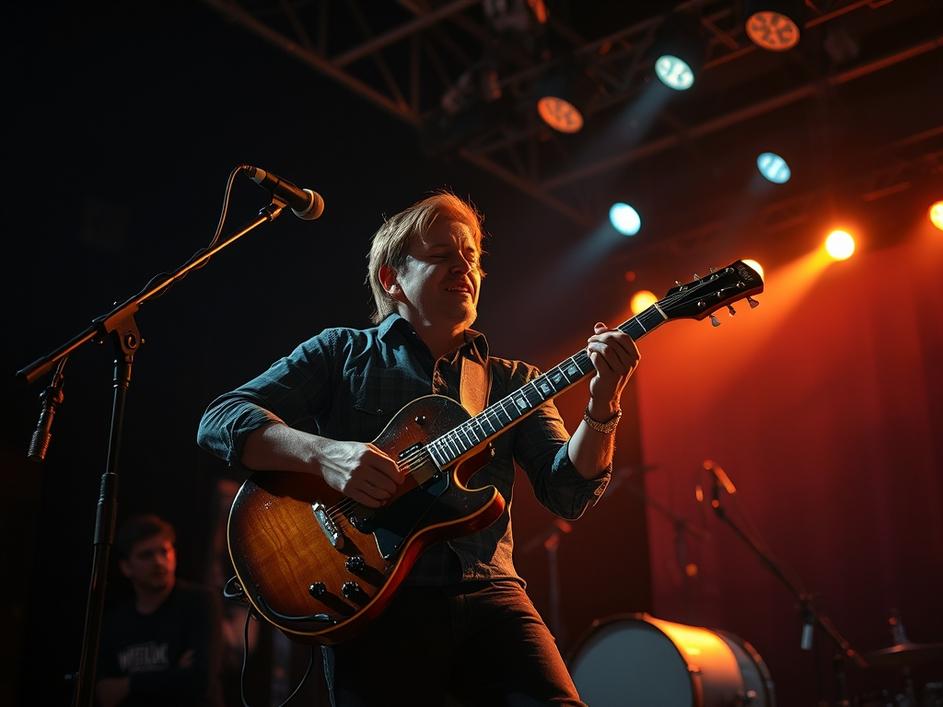
Austin, the Live Music Capital of the World, is known for its vibrant sounds. But something new is shaking things up, something unseen yet powerful: algorithms and artificial intelligence. This isn’t just a local problem; it’s a global shift. For Austin’s artists, it means figuring out how to keep their music alive when machines are changing the rules. It’s a fight for the heart and soul of what makes music, and Austin, so special.
What's Included?
ToggleAustin has always been a place where music flows like the Colorado River. From dusty honky-tonks to buzzing clubs, the city breathes music. It’s a haven for creatives, a magnet for those who love live shows. But even in this vibrant scene, there’s a growing worry. The old ways of getting discovered – playing open mic nights, building local buzz – feel less effective. Musicians aren’t just competing with each other; they’re up against an invisible hand deciding what gets heard. This shift makes everyone wonder: can the authentic, raw energy of Austin’s music survive when a computer program holds so much sway? It’s a question that goes to the core of what Austin music is all about. This concern isn’t just about making a living; it’s about preserving a culture and the unique sound that has defined this city for decades.
Think about how most people find new music today. It’s often through a playlist suggested by a streaming service, or a video pushed by a social media feed. These recommendations come from algorithms, complex mathematical formulas that learn what you like. For musicians, this can feel like a maze. Getting on a popular playlist can mean thousands of new listeners and a better chance at making some money. But staying off those playlists can feel like playing to an empty room, even if your music is brilliant. Algorithms often favor certain types of sounds, lengths of songs, or artists who already have a big following. This makes it hard for independent artists with unique sounds to break through. It pushes them into a corner, making them feel like they have to change their art to fit the machine’s demands.
Then there’s artificial intelligence. AI can help musicians with everything from mixing tracks to creating album art. Some even use AI for new song ideas. For many, these tools are just that – tools. They can speed up the creative process and open new possibilities. But there’s also a deeper worry. What happens when AI can create entire songs, complete with lyrics and melodies, that sound just like a human wrote them? Will human artists be needed as much? Will the emotional connection we feel to a song change if we know a machine made it? In Austin, where raw, human performance is everything, these questions hit hard. There’s a fear that AI-generated music could flood the market, making it harder for human artists to stand out and earn a living. The conversation isn’t about stopping progress, but making sure the unique spark of human creativity doesn’t get lost.
Despite all the digital noise, one thing remains clear: nothing beats a live show. In Austin, that’s practically gospel. Seeing a band play, feeling the bass in your chest, sharing a moment with hundreds of other people – that’s something algorithms and AI can’t replicate. This is where Austin musicians have a real advantage. They can build a direct connection with their fans, face-to-face. These live experiences create memories, loyal followers, and a community that cares about the art, not just the numbers. It’s in these venues, from the biggest stages to the smallest coffee shops, that the true spirit of Austin’s music thrives. The energy of a crowd, the improvisation of a musician, the shared laughter or tears – these are fundamentally human experiences. This magic keeps people coming back, and it’s the anchor holding Austin’s music scene steady.
So, how are Austin musicians fighting back? They are getting smart about it. They’re learning to use social media effectively, not just for broadcasting, but for building real communities. They’re finding ways to connect directly with their fans, whether through Patreon, exclusive content, or intimate house shows. They are also collaborating more, creating unique experiences that stand out from the noise. Some are even using AI tools themselves, not to replace creativity, but to enhance it, like using AI to help market their music more effectively or refine their sound. It’s a mix of old-school grit and new-school smarts. They are embracing the idea that while the landscape has changed, the core mission hasn’t: make good music, share it with passion, and connect with people. This resilience is what has always made Austin’s music scene so special.
The battle for Austin’s music scene isn’t about shutting down technology. It’s about finding a way for human creativity and connection to flourish in a world increasingly shaped by algorithms and AI. It’s about reminding ourselves that music, at its best, is a human expression, meant to be shared and felt. Austin’s musicians, with their blend of talent, grit, and community spirit, are showing us that even in the face of powerful new forces, the heart of music will always beat strongest when it comes from a real person playing for real people. The future of music isn’t just about what sounds good; it’s about what feels real. And in Austin, that feeling is something worth fighting for, note by note, song by song.



Comments are closed